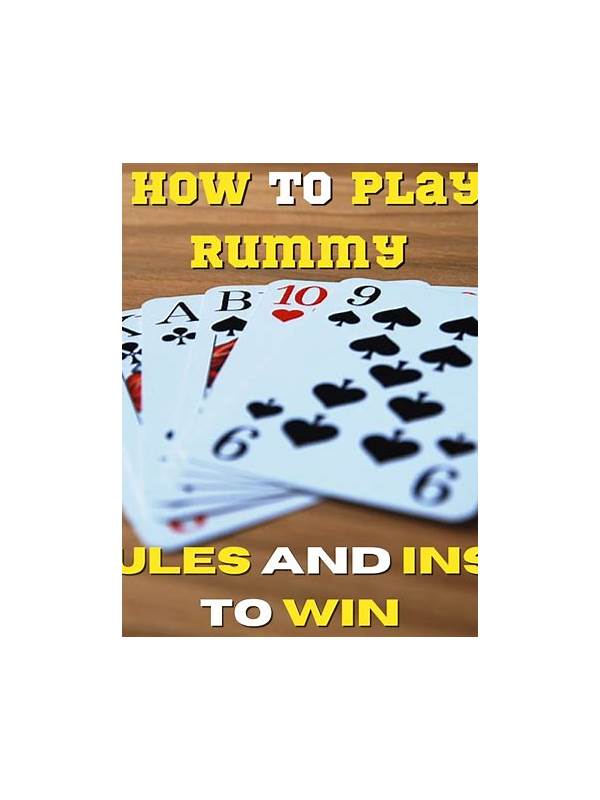
Rummy Endgame Planning When Only a Few Cards Remain

The final turns of a rummy hand feel urgent because every draw and discard can change the result. Good endgame planning is less about finding a spectacular move and more about reducing uncertainty. When only a few cards remain ungrouped, pause and identify what is already reliable, what is still possible, and what could create a costly deadwood total.
Start by separating confirmed groups from hopeful combinations. A pure sequence or a completed set is dependable. Two cards that might connect are not yet a group, even if the missing card seems likely. This distinction prevents you from protecting an attractive idea while neglecting a nearly finished alternative. Mark each card as fixed, flexible, or isolated, then compare the number of draws each plan needs.
In the endgame, a flexible card can be worth more than a high card that has a narrow purpose. For example, a middle card may connect in several directions, while a high card may fit only one sequence. Keep the flexible card only when it serves a realistic plan. Flexibility that cannot be converted soon is simply delayed risk.
Watch the discard pile for evidence, but do not treat one visible card as proof of an opponent’s hand. A discarded rank can tell you that one route may be less attractive, yet players discard for many reasons. Use the information to adjust probabilities, not to invent certainty. If your hand can be completed without relying on a card another player appears to need, that safer route deserves priority.
Before discarding, ask three questions: what is my current highest-cost card, which card improves more than one plan, and can I make a valid declaration if my next draw is unhelpful? These questions turn a rushed decision into a repeatable process. If the answer to the last question is no, reduce deadwood before chasing an extra improvement.
Finally, remember that a modest, valid finish is usually better than a beautiful hand that remains unfinished. Set a clear stopping rule for speculative rearranging. Once the hand has a legal structure and only a small improvement is available, protect the structure and play calmly. Endgame discipline comes from valuing completion, not from forcing every possibility.
If the platform shows a remaining-card count, use it as a reminder to simplify rather than as a reason to panic. Fewer unseen cards can make a speculative plan especially dangerous because there are fewer opportunities to recover. Keep your review brief: identify the safest legal structure, discard the card with the least future value, and accept that an imperfect hand may be the correct result of limited information. This mindset protects attention and makes the final turns easier to evaluate afterward.
Related Post
Rummy How-To: Make a One-Minute Recovery Checklist
A short recovery routine can restore clarity after an interruption, misread card, or technical pause. [...]
Rummy Guide: Build a Simple Information Ledger
An information ledger helps organize visible cards, assumptions, and changing possibilities during a rummy hand. [...]