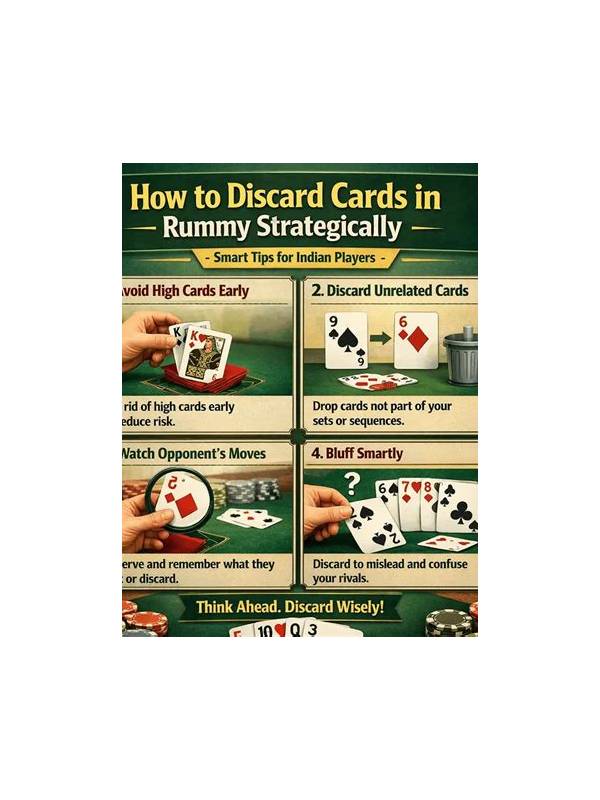
Rummy Guide: Read the Table State Before Choosing a Card
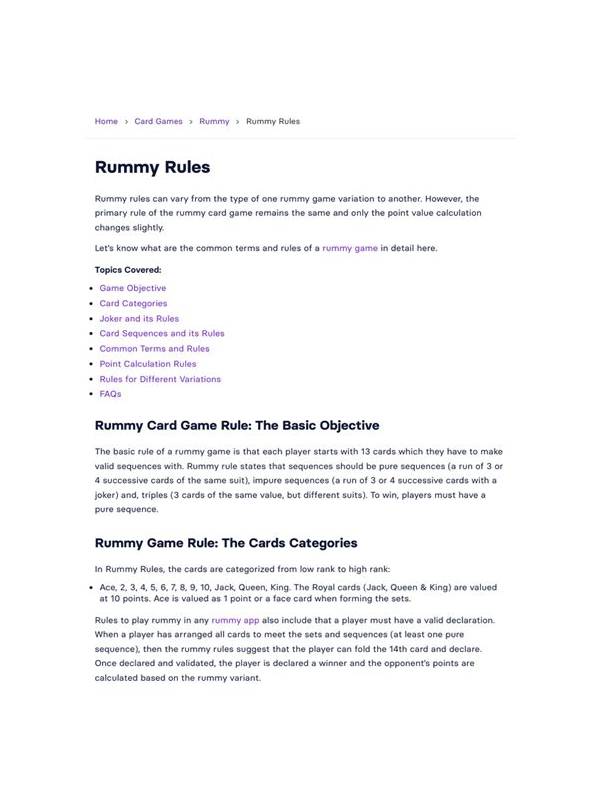
In a fast rummy hand, it is tempting to focus only on the cards in front of you. That habit can hide important information. Before choosing a draw or discard, take a short look at the whole table state: whose turn it is, what has recently entered the discard pile, how many cards remain in your hand, and whether your current groups still support a legal declaration. This scan does not predict the future. It simply gives your decision a better starting point.
Begin with the visible discard pile. The newest card is usually the clearest signal because someone has just decided it was not useful to them, but an older card can also matter if it completes one of your possible sequences. Ask what taking that card would create immediately. If the answer is only “it might help later,” keep your options open and consider the face-down draw instead.
Next, inspect your own hand in groups rather than as a row of isolated cards. Mark cards that already belong to a confirmed sequence, cards that support two possible routes, and cards that have no current connection. This three-part view prevents a useful connector from looking like an easy discard. It also makes a difficult hand feel like a small set of decisions instead of a puzzle with no structure.
Then consider the pace of the hand. If several turns have passed and your hand has not improved, a plan based on one exact card may be too narrow. A broader route, such as building a short sequence in a different suit or completing a modest set, may have a better chance. You do not need to abandon a good plan after one miss, but you should know what evidence would make you change it.
Finally, confirm the rules that affect your choice. Some formats require a particular number of sequences or a pure sequence, and a promising collection of sets may still be incomplete. Count the remaining work before you declare a hand nearly finished. A table-state scan takes only a few seconds, yet it links card choice, format rules, and changing information into one repeatable routine.
If the table is moving quickly, shorten the scan to four prompts: what changed, what do I need, which card has the weakest job, and what is my fallback? Saying the prompts silently can be enough. The routine also works in practice games because it trains observation without requiring a live opponent. Over time, the scan becomes part of the turn rather than an extra task. When the rules or interface are unfamiliar, slow down and verify instead of relying on a memorized pattern.
Related Post

Rummy FAQ: What Does a Failed Draw Actually Tell You?
A missed draw is evidence about timing and priority, but it does not automatically prove [...]
Rummy How-To: Create a Recovery Plan After a Bad Draw
A recovery plan turns an awkward rummy draw into a structured review of what remains [...]