Rummy Safety: A Simple Checklist for Account Recovery Messages
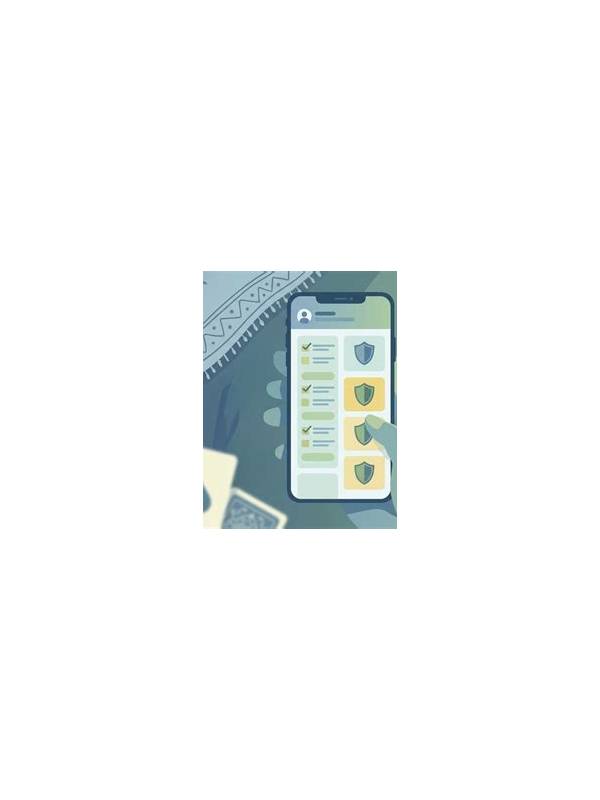
An unexpected account recovery message can create urgency, especially when it mentions a login, payment, or device you do not recognize. Treat the message as unverified until you confirm it through a trusted route. A card-game account may contain personal details or payment history, so a few extra seconds are worthwhile.
Begin with the sender and the channel. Do not assume that a familiar logo, display name, or profile picture proves authenticity. Messages can be imitated. Avoid using links or phone numbers supplied in a suspicious message. Instead, open the service through a bookmark or an official app you already trust and check whether the same alert appears there.
Read the request carefully. A legitimate recovery process should explain what happened and what step is required, but pressure to disclose a password, one-time code, full payment credentials, or recovery phrase is a warning sign. Never forward a verification code to someone who contacts you. If you requested a reset, use the normal reset screen and create a new password that is not reused elsewhere.
Check device activity and session settings from the account’s own security area. Sign out unfamiliar sessions, review recent changes, and enable an available second factor. If you cannot tell whether an entry is yours, change the password from a trusted device before investigating further. Keep recovery email and phone details current, but do not post them in public support comments or game chats.
Save evidence without spreading it. A screenshot may help a verified support team, but crop usernames, addresses, balances, codes, and payment references before sharing. Do not download attachments from an unexpected recovery message. If you clicked a suspicious link, close it, update your password through the trusted route, and review the device for unusual downloads or new permissions.
The final step is to slow down. Scammers rely on urgency and secrecy. A real account problem can be checked through the service’s known support path, while a questionable message can wait. This checklist protects both access and privacy without requiring you to decide instantly whether a dramatic notification is genuine.
Keep verified support details separate from the message itself. Use the address or help route listed inside the trusted service, and keep a private record of the date and action taken. If an account appears compromised, secure related email and payment accounts through their official channels as well. Do not investigate by replying to the suspicious sender. A calm, independent check is usually safer than a fast conversation with an unknown contact.
Related Post
Rummy How-To: Build a Compact Table-State Snapshot
A compact snapshot records the few table facts that matter without trying to memorize everything. [...]
Rummy Comparison: Speed of Play Versus Quality of Review
Fast play and deliberate review serve different purposes, so the better pace depends on the [...]