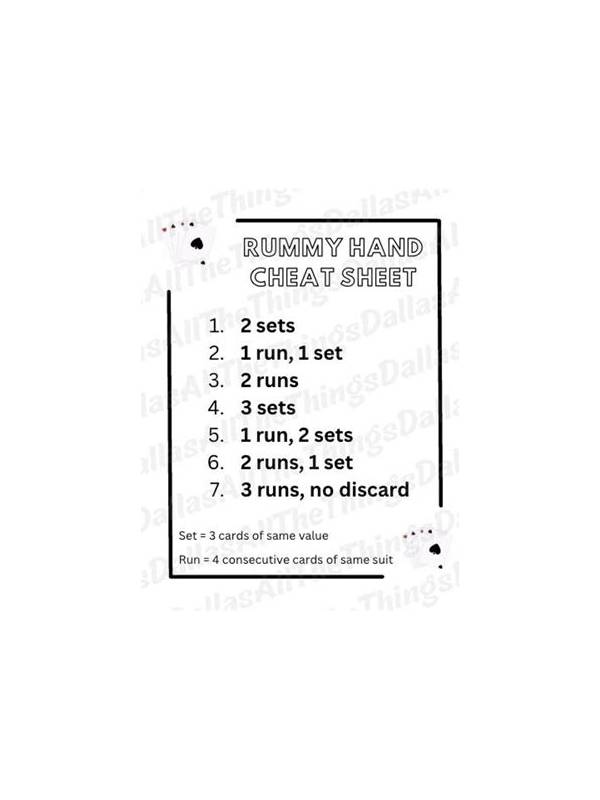
Rummy How-To: Rebuild a Hand After a Missed Draw
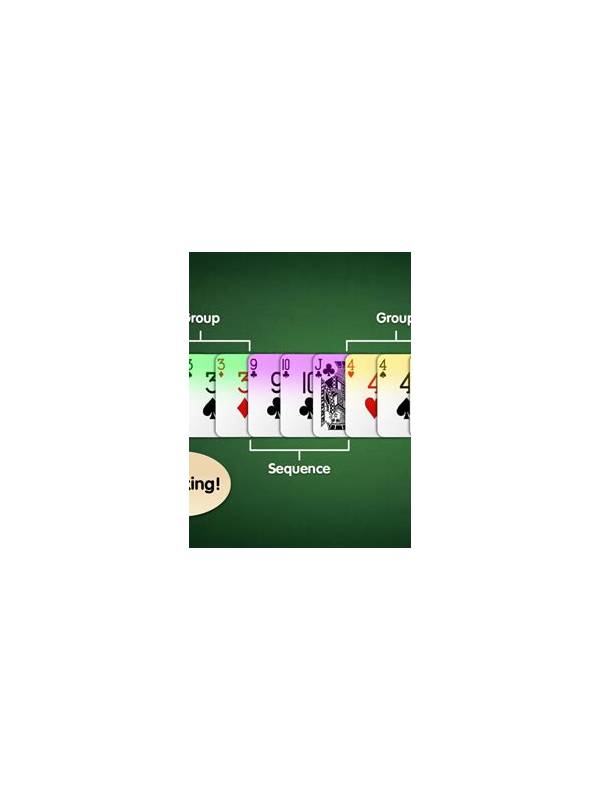
When a needed card fails to appear, many players simply wait another turn. That can be correct, but repeating the same choice without reassessing may trap the hand. A missed draw is useful information: it updates the route’s value and gives you a chance to rebuild around what you actually hold.
Start by removing the emotional label from the failed route. It was not necessarily a bad plan; it may now be less attractive because of new evidence. Count the remaining live connectors, check the discard pile, and note whether the route still satisfies an important requirement. If only one scarce card can help, lower the route’s priority.
Next, protect anything already stable. Do not dismantle a completed grouping merely because the intended draw missed. Review partial structures and identify which can survive independently. A pair with several matching copies left may be a better foundation than an inside sequence whose bridge has become unlikely.
Choose one rebuild action. You might break an isolated near-sequence, move a card from a weak pair, or discard the highest-risk singleton. Avoid changing every card at once. Rebuilding works best when one clear liability is removed and the next draw is allowed to provide fresh information.
Keep a fallback that uses cards you already own. For example, if a suit run is stalled, see whether one of its cards can join a group or another sequence. A fallback does not have to be elegant; it only needs to reduce dependence on one exact outcome. If no fallback exists, reducing penalty and improving flexibility becomes the priority.
Opponent behavior can influence the rebuild. A card you need may have been picked up, while a rank you planned to discard may now look risky. Adjust your choices, but do not invent certainty from one action. Use several observations when possible and continue protecting your own hand’s basic structure.
The rebuild cycle is simple: reassess the failed route, preserve stable cards, remove one liability, and set a realistic next objective. This keeps a missed draw from becoming a chain of forced decisions. Strong play is not the absence of failed plans; it is the ability to replace a weak plan before it consumes the entire hand. Give the rebuild a defined review point. After the next draw, check whether the replacement route improved; if it did not, repeat the process instead of protecting it out of habit. This creates a controlled adjustment cycle and prevents one missed connector from dictating the rest of the round.
Related Post
Rummy Safety: Handle Disputes With a Fact Timeline
A factual timeline helps resolve table disputes without sharing unnecessary personal information or escalating the [...]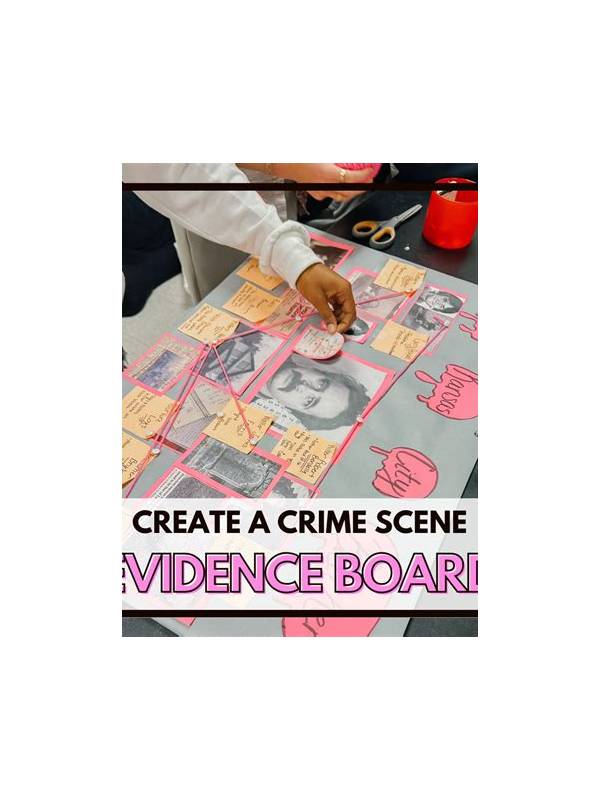
Rummy How-To: Make a Small Evidence Board for Practice
A compact evidence board helps practice players distinguish visible facts, working plans, and assumptions. [...]