Rummy Strategy: Use a Confidence Label for Each Group
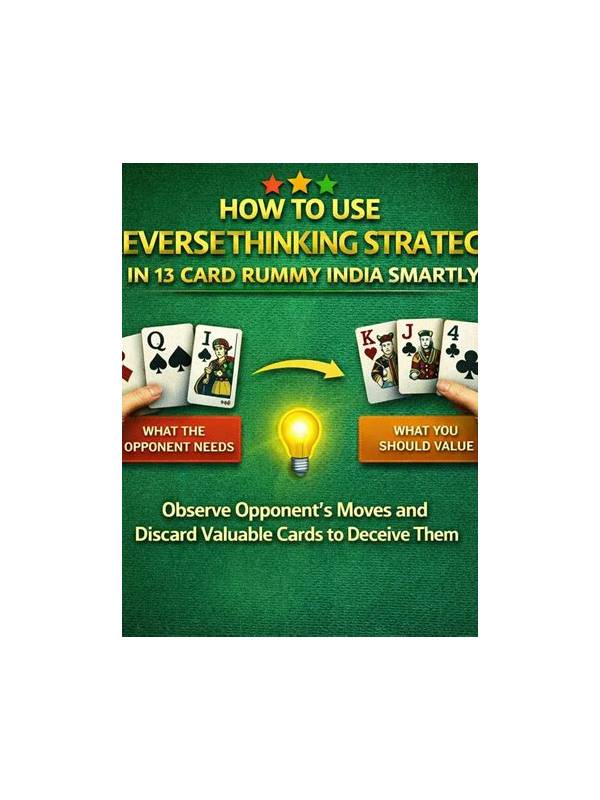
When several cards are spread across the hand, it is useful to label each proposed group by confidence. This is not a prediction of the future. It is a quick description of how much evidence the current arrangement has. The labels help prevent a speculative pair from receiving the same attention as a completed requirement.
Use three categories. Secure means the group already satisfies a rule or has a strong, low-risk structure. Developing means it has a reasonable connection but still needs one or more cards. Speculative means it depends on a narrow draw, a card that may already be unavailable, or a rearrangement that would damage another route.
After each draw, update the labels before moving cards around. A new connector may move a group from speculative to developing. A discarded related card may move it in the other direction. If a route stays unchanged for several turns, that is information too. It may not justify its current space.
The labels also guide discards. A card that belongs only to a speculative group is often a stronger discard candidate than a card supporting a developing route. However, check point exposure and declaration requirements before acting. Labels are a prompt for comparison, not a mechanical rule.
Try not to label every individual card as important. Label the proposed groups, then note which cards serve more than one group. A flexible card may support two developing routes and therefore deserve protection even when neither route is secure. Conversely, a high card can appear connected in one speculative arrangement without being genuinely useful.
Near the end of a hand, raise the standard for speculative groups. There is less time to repair them, and the cost of a failed route is greater. A secure group should be left alone unless a change clearly improves the full arrangement.
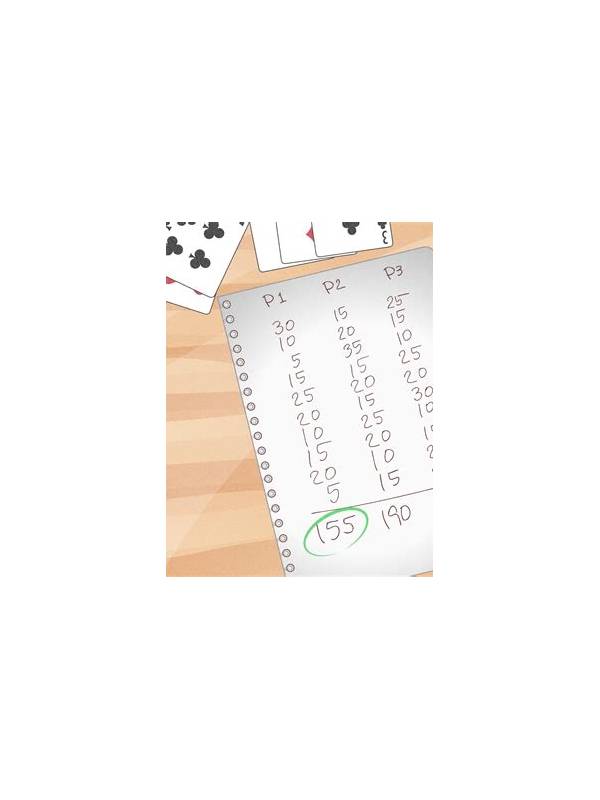
The method works well on paper or mentally. Three words—secure, developing, speculative—turn a tangled hand into a priority list. They encourage attention to evidence and make it easier to let go of attractive but weak ideas.
Confidence labels are also useful when explaining a hand to someone else. Instead of saying that a choice was obvious, you can show which group was secure and which route was speculative at the time. That distinction supports a fair review. It recognizes that a reasonable choice can lose and that a fortunate result does not automatically validate a weak plan.
Related Post
Rummy Guide: Use a Constraint List Before the First Draw
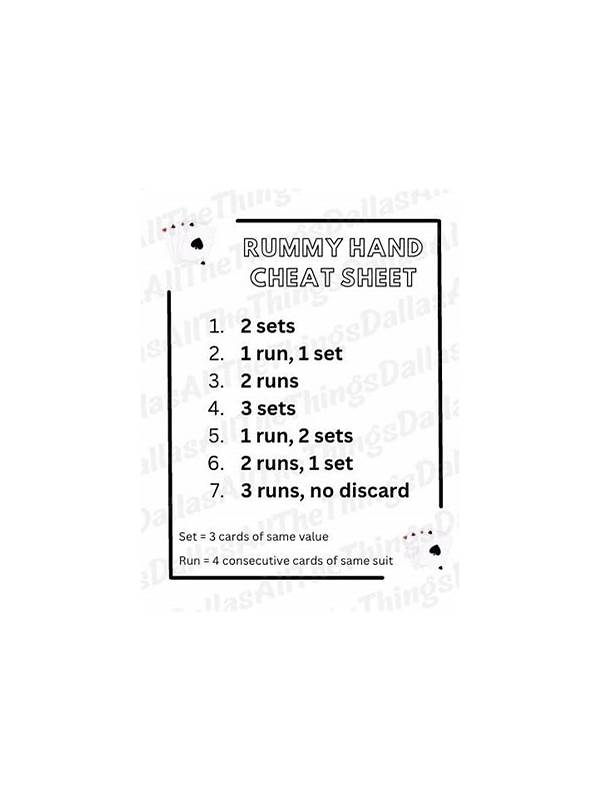
A short constraint list can turn a busy opening hand into a set of clear [...]
How to Make Rummy Notes You Will Actually Use
Keep a compact rummy learning log that turns individual hands into practical improvements. [...]