Rummy How-To: Create a Simple Table-Rule Reference
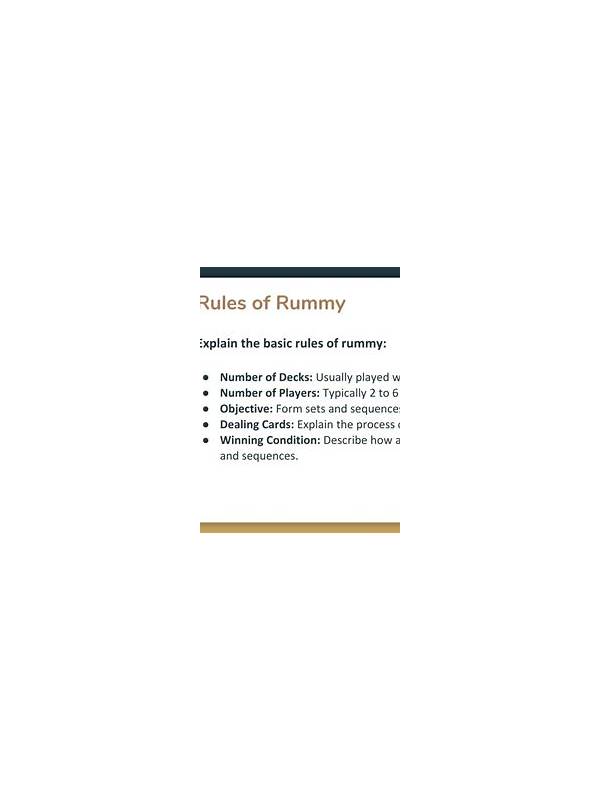
Many rummy errors are not strategic errors. They come from carrying one table’s assumptions into another format. A simple rule reference keeps important conditions visible before and during practice. It should be short enough to consult quickly and specific enough to prevent a mistaken declaration or an unsuitable draw.
Start with the format name and the number of cards dealt. Record the objective, scoring method, and whether the table uses points, pools, deals, or another structure. These details affect how much risk is sensible and how much time you have to complete the hand. Do not rely on a general description if the platform displays a more precise table rule.
Add the grouping requirements next. Note how many sequences are required, whether one must be pure, how sets are defined, and how jokers may be used. Include any rule about a first declaration, maximum points, or an invalid declaration penalty. Use plain language, but preserve the exact condition that changes legality.
The third section should cover turn mechanics. Write what happens when you draw, whether the open discard is available, when you must discard, and what occurs after a timeout or disconnection. If the interface has buttons with similar names, describe which one confirms an action. A reference is valuable when it prevents a hurried tap as well as when it explains a rule.
Keep a safety section separate from gameplay. Record age or location restrictions shown by the service, available account controls, and where official support can be reached. Never copy private account details into a general note. If you play with money, include your own spending and time limits, not just the platform’s terms.
Review the reference whenever you change format or after a rules update. Mark uncertain points for verification rather than filling them with memory. A one-page reference is not a substitute for the official terms, but it makes the terms usable at the table. Accurate reminders protect both your decisions and your ability to review a hand fairly afterward.
Store the reference somewhere private and easy to update. Public notes should contain only general rules, never login information or payment data. When a rule is uncertain, consult the platform’s official help or terms before relying on it. A small correction made early can prevent a repeated misunderstanding across many practice hands.
For digital tables, add the exact name of the format and the date you checked it. Rules can change, and an old reminder should not silently become authority. Treat the reference as a prompt to verify important details.
Related Post

Rummy Safety: Set a Recovery Plan Before Technical Problems
A simple recovery plan reduces rushed choices when a connection, device, or application problem interrupts [...]
Rummy FAQ: Why Do Players Keep a Backup Sequence?
A backup sequence can protect a hand, but only when it does not crowd out [...]