Rummy Safety: Keep a Private Record of Transactions
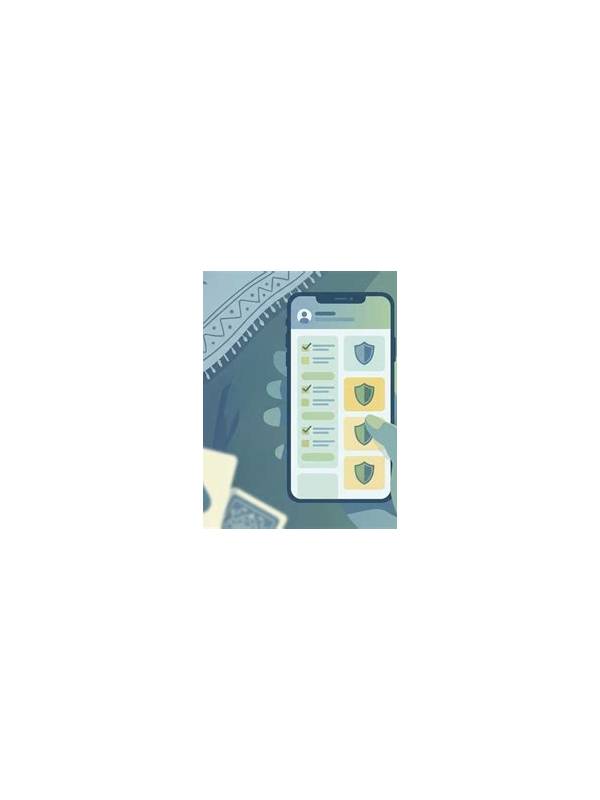
Keeping a record of deposits, withdrawals, and relevant account messages can be useful, but the record should protect your privacy. The goal is to preserve dates, amounts, and reference details needed for your own review without creating a second collection of passwords, full payment numbers, or identity documents. Store only what you genuinely need.
Choose a secure location that is separate from casual game notes. A protected finance app, encrypted local document, or trusted password-manager note may be appropriate depending on your device and habits. Avoid public folders, shared photo albums, and unprotected chat threads. If another person uses the device, confirm that notifications and previews cannot expose the record.
For each transaction, note the date, currency, amount, status, and a shortened reference identifier if one is provided. You can also record the purpose, such as deposit or withdrawal. Never copy a full card number, security code, one-time password, or login credential into the note. If support needs proof, use the platform’s official upload method and follow its instructions rather than sending sensitive material through an informal account.
Review account statements against your private record periodically. Look for duplicate entries, an unexpected fee, or a transaction that remains pending longer than the published processing window. A discrepancy is a reason to check official help channels, not to respond to an urgent message from an unknown sender. Keep screenshots limited and redact unrelated personal information before saving them.
Set a retention rule. Old records that no longer serve a tax, dispute, or account-reconciliation purpose should be removed through your device’s normal secure deletion process. Before deleting, confirm that no open issue depends on them. Also keep a separate note of the official support case number, without including the entire conversation if it contains private details.
Finally, treat payment prompts as high-risk moments. Pause before approving a new request, changing a payout destination, or installing software “for verification.” Check the address and account identity through a trusted route. A calm record helps you see what has actually happened; it should never be used to justify hurried spending. Privacy and budget boundaries remain more important than completing a transaction quickly.
Use neutral filenames and avoid syncing the record to devices you do not control. If you contact support, quote only the shortened reference needed to locate the case. Review the response inside the official account area and independently confirm any proposed action. These habits reduce both accidental disclosure and the chance that a convincing imitation will redirect your payment.
Related Post
Rummy Help Pages: A Quick Way to Check Variant Rules
A targeted reading method helps players find the variant rules that matter before a rummy [...]
Rummy Table Setup: Improve Visibility Before the First Deal
A few setup checks can make cards, timers, and rules easier to read before a [...]