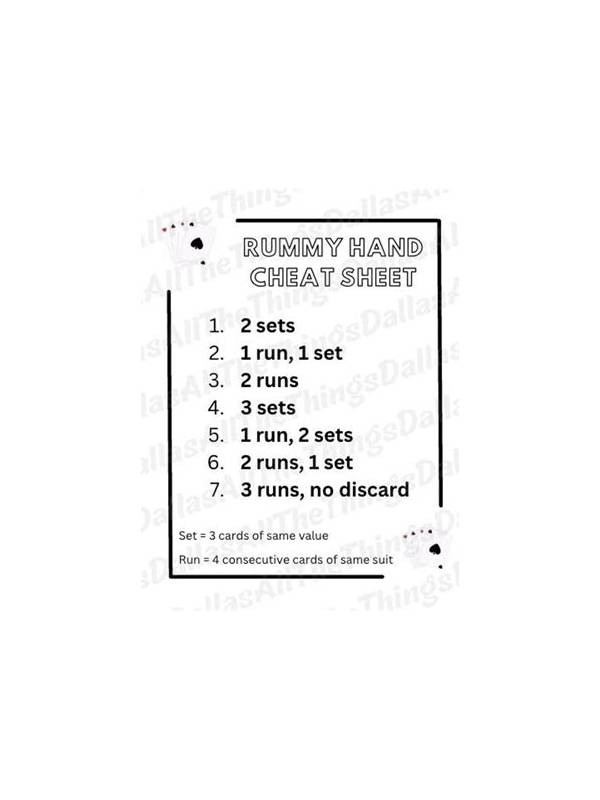
Rummy Comparison: A Pair Search Versus a Sequence Search
It can help to say the comparison aloud in practice: “the pair needs one rank match; the sequence has two connectors.” This does not turn the game into exact mathematics, but it prevents vague preference from deciding. As the hand changes, update the statement rather than defending the first estimate. Clear comparisons are portable across rummy formats because they focus on evidence and cost, while the legal details remain format-specific.
A pair search and a sequence search solve different problems in rummy. Looking for pairs can create sets and preserve rank-based options, while a sequence search uses suit and adjacency to build connected groups. Neither approach is always superior. The better choice depends on evidence, time, and the cost of holding unresolved cards.
A pair search is attractive when you already hold two cards of one rank and can see another plausible copy. It may also be useful when your hand contains repeated ranks across different suits. Its weakness is that a pair alone does not form a completed group. You may wait for a third card while carrying extra cards that do not help the rest of the hand.
A sequence search has a different advantage: two adjacent cards can have more than one extension. A six-seven combination may accept a five or an eight of the same suit. Middle cards often offer this flexibility. The route becomes weaker when the cards are far apart, depend on a single gap, or require a card that has already been discarded visibly.
Compare the plans using three measures. First, count the unresolved cards. Second, list the realistic cards that could improve the plan. Third, estimate the penalty and opportunity cost of retaining the cards for another turn. A pair with three useful completions may beat a sequence with one narrow completion, even if sequences usually feel more natural.
Consider overlap. Sometimes one card supports both routes, such as a rank duplicate that also sits next to a same-suit card. Preserve that card while deciding, but do not assume the overlap will last. If choosing the pair forces you to release a strong connector, the pair’s apparent value is lower than its visual value.
As the end of the hand approaches, favor the route with a clear exit. You may not complete either plan, so the safer route is often the one that lets you release the largest penalty or preserve a completed pure structure. Review the comparison after each meaningful draw rather than after every minor rearrangement.
The goal is not to memorize a permanent preference. It is to compare the two searches with the same questions, make a timely choice, and retain a backup only while its evidence remains credible.
Related Post
Rummy Tips: Recognize a Dead-End Draw Before It Costs a Turn
A dead-end draw has little support and few fallback uses, so identifying it early improves [...]
Rummy Tips: Track Discarded Rank Frequency
Counting repeated discarded ranks can reveal which draws are becoming less attractive and which assumptions [...]