Rummy Tips: Use a Stop Rule for Repeated Draws
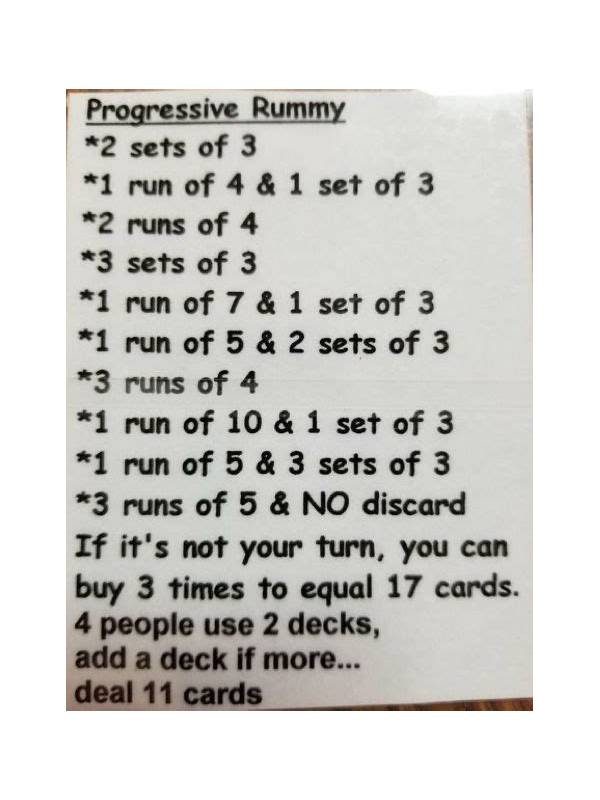
Repeatedly waiting for the same card can feel reasonable because each new turn seems like another chance. Without a stop rule, however, a narrow draw may keep high-value cards in your hand and crowd out better plans. A stop rule turns patience into a measured decision.
Before committing to a narrow draw, name the exact card or cards you expect to help and count the ways the rest of the hand can improve. Then choose a limit based on timing. Early in a hand, you may allow several turns because there is room to rebuild. Later, one missed opportunity may be enough to change direction. The rule should be set before frustration or excitement takes over.
Review the plan after every relevant draw. Did the new card increase your number of routes, complete a group, or merely confirm that the same target is still missing? If the plan is unchanged, the deadline is getting closer. If the new card creates a stronger alternative, stop chasing the original target even if it remains possible.
Your stop rule can be numerical or situational. A numerical rule might be “two turns without a useful improvement.” A situational rule might be “abandon this plan if holding it leaves two disconnected high cards.” Both approaches are valid if they are clear enough to use quickly. Avoid a rule so complicated that you need a long calculation during play.
Stopping does not mean the original choice was wrong. It means the information available now is different from the information available when you began. Treat the transition as a normal part of strategy. Sort the hand again, identify the best fallback, and select a discard that reduces the cost of changing direction.
For practice, note the moment you stopped and what happened afterward. Did the fallback improve immediately, or did you abandon a plan too early? Over several hands, the record will help you adjust the length of your deadlines. The best stop rule is not the most aggressive one; it is the one that protects you from endless waiting while still giving realistic plans enough time.
Make the rule visible in practice notes with a short phrase such as “two misses, then rebuild.” A phrase is easier to remember than a paragraph when the table is moving. If the format has unusual turn limits or scoring, adapt the phrase to that setting. The purpose is to create a deliberate exit from a plan, not to force the same number of turns in every kind of hand.
Related Post
Rummy Card Connectivity: A Quick Way to Rank Loose Cards
Ranking loose cards by their realistic connections can make rummy discards more deliberate. [...]
Rummy Safety: Check Permissions Before Using a New Game App
A privacy-focused checklist for reviewing mobile permissions before using an unfamiliar rummy application. [...]