Rummy How-To: Rebuild a Hand After a Broken Sequence
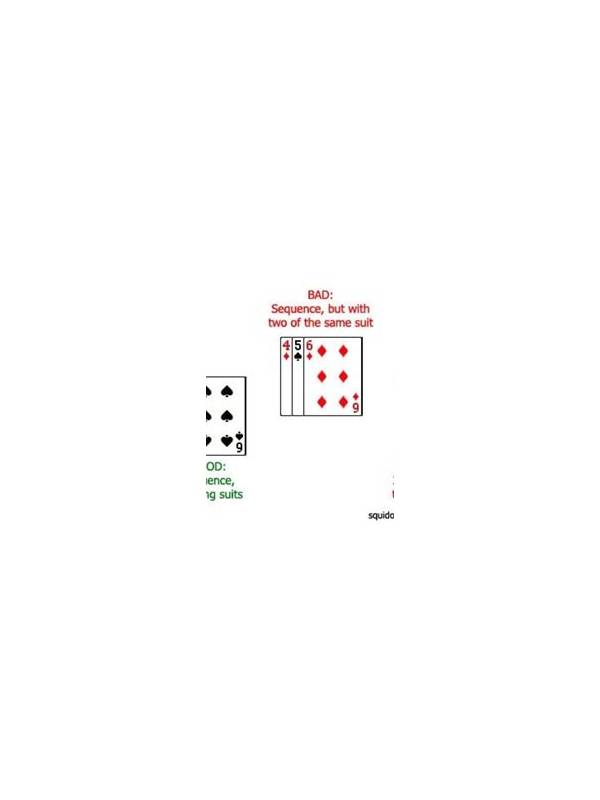
A sequence can look nearly complete and then lose its value when a needed card appears in the wrong place or when a better arrangement becomes available. The mistake is to keep treating the broken sequence as sacred. Rebuilding the hand gives every card a fresh role.
First, separate confirmed groups from unfinished ideas. Put completed valid combinations aside only if the game rules allow you to do so safely during analysis. Keep every unconfirmed card visible. Then remove the broken sequence from your mental plan and ask which of its cards can support another group. A card is not wasted simply because the original sequence failed.
Next, sort the remaining cards by connection type. Look for same-rank groups, neighboring cards in the same suit, and cards that can work with a joker under the rules. Identify the combination that needs the fewest specific draws. If two plans are close, prefer the one that leaves fewer isolated cards and protects any required pure sequence.
Choose a rebuild deadline. For example, you might give a narrow plan two meaningful draws, or one turn if the hand is already late. A deadline prevents a broken sequence from consuming the rest of the hand. When the deadline passes without improvement, downgrade the plan and release its least useful card. The exact number should reflect the format and how much risk you can accept.
Pay attention to the discard pile during the rebuild, but do not chase a card merely because it completes the old idea. The card may be useful only if the rest of the hand also fits. Compare the complete arrangement with the opportunity cost of waiting. Sometimes a less elegant group is better because it reduces points and opens a second route.
After the hand, record what caused the break: an overvalued middle card, a missed rule requirement, or a failure to update after a visible discard. That note is more valuable than simply writing “bad luck.” Rebuilding is a transferable skill. It teaches you to preserve useful cards while letting go of a plan that no longer matches the evidence.
If the broken sequence was part of a required arrangement, check that requirement before rebuilding anything else. A hand can look more organized after you create several sets, yet still fail because the essential sequence has disappeared. Rebuilding is not only about making attractive groups; it is about restoring the conditions for a valid declaration while reducing the number of cards that depend on one unlikely draw.
Related Post
Rummy Comparison: Open Information Versus Private Notes
Compare memory-based observation with private notes to find a practical way to track a rummy [...]
Rummy FAQ: Why Can Sorting Order Affect Your Review?
Sorting cards in different ways reveals different patterns, so a consistent review may use more [...]