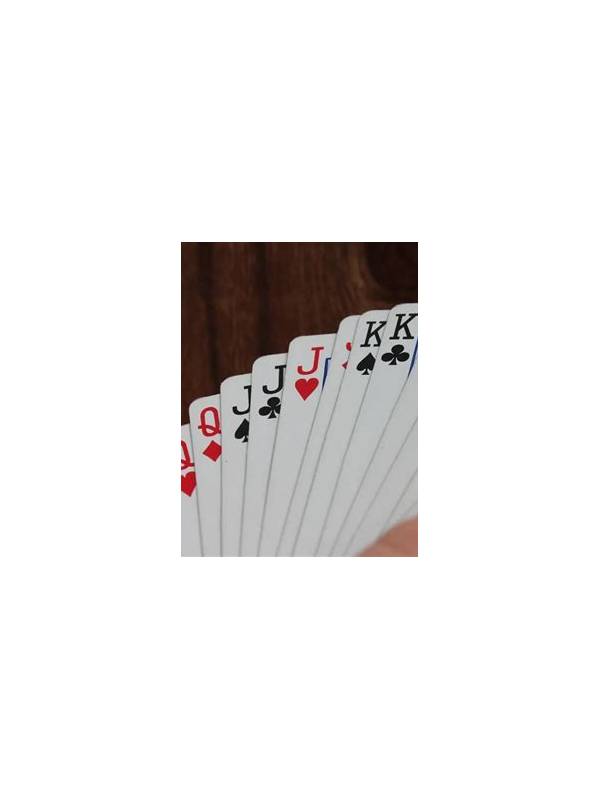
Rummy Practice: Build a Hand From Random Cards

A random-card exercise can improve rummy recognition while keeping practice separate from live play. Use a standard deck or a safe practice mode, deal a thirteen-card hand, and give yourself a short time to identify possible groups. The value comes from explaining each choice, not from pretending that the exercise predicts a real result.
After dealing, sort the cards by suit. Look for connected runs first, then matching ranks across suits. Mark one possible pure sequence, one secondary group, and the cards that do not yet fit. Do not rearrange a card into multiple final groups. During exploration you may test alternatives, but your written answer should show one consistent assignment.
Now create three plans. Plan A should prioritize the strongest existing sequence. Plan B should protect a flexible connector and use another group as the foundation. Plan C should minimize penalty points if no promising draw arrives. Comparing plans teaches you to value a fallback instead of treating one imagined sequence as inevitable.
Choose a discard for each plan and write one sentence explaining it. The explanation might mention high points, low connectivity, or the need to preserve a pair. If two candidates seem equal, note what new card would change your decision. This turns an intuitive choice into an observable question that can be revisited.
For a second round, remove one card from the hand and add a random replacement. Reassess rather than continuing automatically from the first plan. Did the new card complete a group, create a better connection, or simply look interesting? Practice accepting that a new card can make an old idea weaker.
Keep sessions short. Ten or fifteen minutes is enough for several hands and written explanations. Do not convert practice into an excuse for unplanned spending or marathon play. If you use an app, confirm that the mode is genuinely free or that no automatic entry is enabled.
Review the exercise by counting repeated errors. Perhaps you overvalue high cards with one neighbor, use jokers too quickly, or forget to reserve a pure sequence. Choose one error for the next practice session. Random-card work is most useful when it produces one clear lesson at a time. You can also compare your written plan with the result of a neutral random replacement. Do not call a plan “correct” because the replacement helped it, or “wrong” because it did not. Judge the quality of the decision from the information available at the time. This keeps practice focused on reasoning rather than on hindsight.
Related Post
How to Notice Tilt During a Rummy Session
Recognizing emotional tilt early gives rummy players a practical chance to pause before decisions become [...]
Rummy How-To: Recover Calmly After an Accidental Tap
Follow a short recovery routine when a touch-screen mistake changes your rummy turn unexpectedly. [...]