Rummy Tips: Think in Two-Card Windows
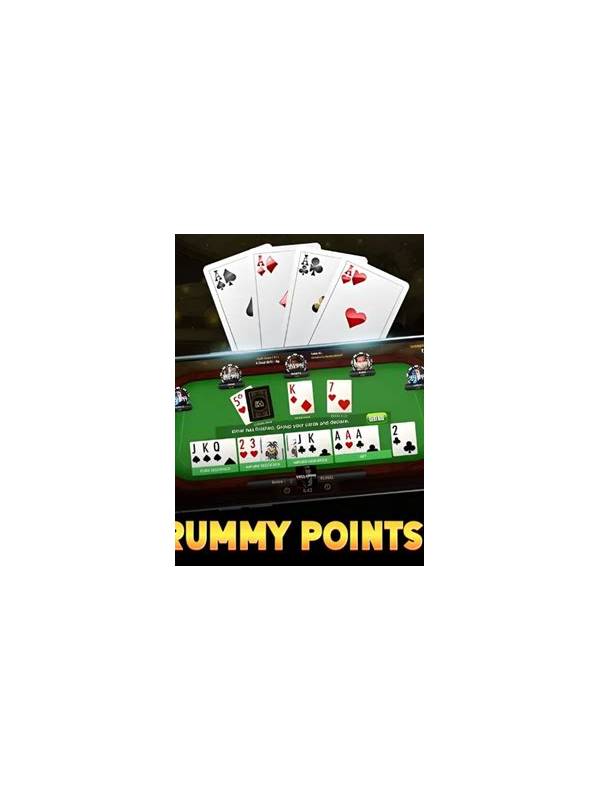
One useful way to read a rummy hand is to examine it in small two-card windows. A window is simply a pair of cards that could become part of a larger combination. The method is helpful because a full hand can contain too many possibilities at once. Looking at pairs creates a short list of realistic options.
Start with adjacent cards of the same suit, such as 8 and 9 of hearts. They have a natural path to 7-8-9 or 8-9-10. They are not a finished sequence, but they have two possible extensions. Compare that with 8 of hearts and 8 of clubs. The pair has a possible set path, yet it needs cards of other suits and may be more vulnerable to becoming a high-point liability.
Not all two-card windows are equal. A middle pair generally offers more rank extensions than an edge pair. A 2 and 3 can usually grow in only one direction, while a 6 and 7 can connect on either side. That does not make low cards bad; it means you should consider how many follow-up cards are realistically available.
Use the window method after each draw. For every ungrouped card, ask whether it creates a new pair with something already held. Then compare the number of helpful ranks, the points at risk, and whether the pair supports your required pure sequence. If a card creates only a narrow possibility while another card completes an existing structure, the completed structure deserves priority.
Be careful with overlapping windows. A hand containing 5, 6, and 7 of one suit has two pairs, but they are really one stronger three-card structure. Do not count each overlap as a separate reason to keep every card. Look for the largest coherent group and then evaluate the leftover cards independently.
The same test can guide discards. If a card belongs to no useful two-card window, has no set support, and carries meaningful points, it becomes a strong discard candidate. Before discarding, however, consider what information the open pile gives you and whether the card could complete an opponent’s visible pattern.
Two-card windows are a decision aid, not a promise. They keep attention on practical connections instead of exciting but unlikely draws. With practice, the scan becomes quick: identify the pairs, rank their flexibility, protect the most valuable structure, and release cards that have no credible path forward. Use the method alongside the table’s exact rules and your point-risk assessment.
Related Post
Rummy FAQ: What Is an Impure Sequence?
An impure sequence uses a joker to stand in for a missing card, subject to [...]
Rummy Safety: Take Breaks Before Attention Drops
Planned breaks protect decision quality when fatigue, screen strain, or repeated rounds begin to reduce [...]