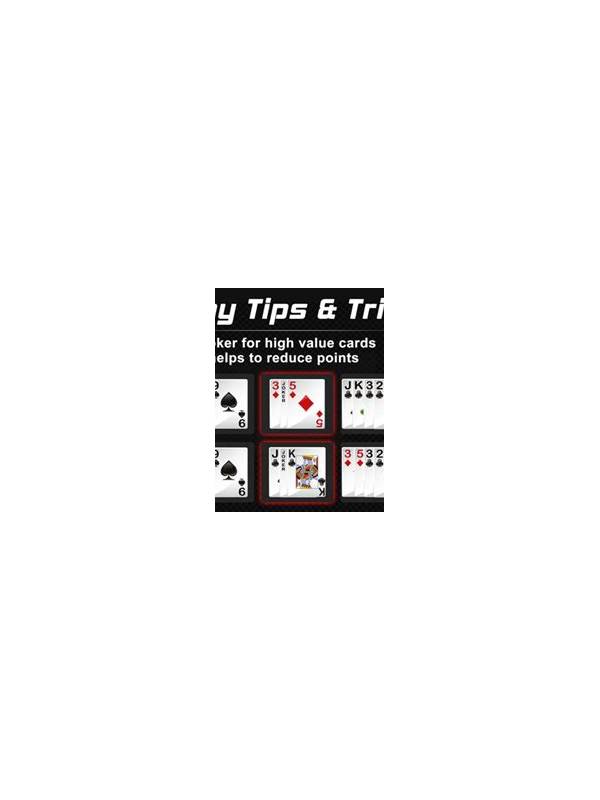
Rummy Hand Friction: Find the Choice That Makes Sorting Hard
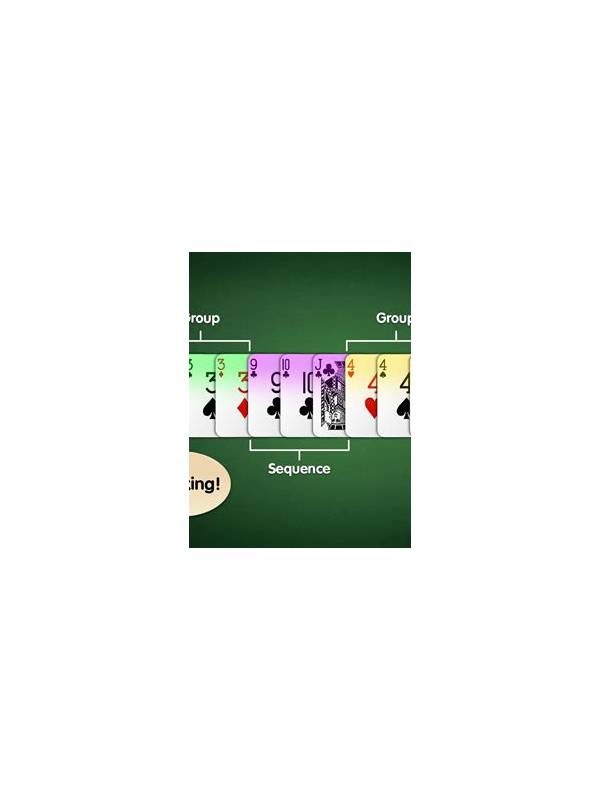
A hand can be difficult even when it contains several promising cards. The problem is often friction: a shared card, overlapping group, or unclear rule that makes every next choice feel tangled. Finding the source of friction is more useful than repeatedly rearranging the same cards.
This method is especially helpful when a hand contains a joker or several pairs. Mark the contested area, choose a deadline for learning more, and give the remaining cards a simple temporary order. The hand then has a next step rather than a cloud of possibilities. That next step can be as modest as waiting for one relevant draw before deciding.
Start with a clean sort and mark confirmed groups. Then circle the smallest unresolved area. It might be a pair that could become a set or support a sequence, two connected cards with several boundaries, or a joker whose best use is unclear. Do not label the whole hand “bad.” Identify the specific decision that is blocking your view.
Measure the friction in three questions. How many cards are competing for the same job? How many realistic completing cards exist? What is the cost if the plan fails? A route with one shared card and four possible completions is different from a route with three shared cards and one narrow completion, even if both look equally attractive at first.
Next, create a temporary rule for the area. You might decide to keep the shared card until a particular type of draw appears, or to release the pair if it remains unchanged after one more turn. A temporary rule prevents the same question from consuming every decision. Give it a time or information limit.
When new information arrives, reassess the friction rather than defending the old plan. If a drawn card completes one route, the conflict may disappear. If the discard pile removes several completing possibilities, the route may now be too narrow. Good hand management includes permission to simplify.
After the round, record the friction in one sentence: “The hand stayed unclear because ___.” Possible answers include an unconfirmed table rule, an overvalued pair, or a refusal to release a low-probability route. Over several reviews, repeated causes become practice targets.
Reducing friction does not mean making the hand look neat at all times. It means knowing which uncertainty deserves attention and which can be set aside. A clear unresolved question is easier to manage than a crowded collection of vague hopes.
Related Post
Rummy Comparison: Open-Ended Draws Versus Pair-Based Draws
Compare two common types of unfinished combinations by flexibility, exposure, and fallback value. [...]
Rummy How-To: Use a Two-Pass Discard Review
A two-pass review separates obvious penalty reduction from the deeper question of which future route [...]