Rummy Review Timing: Separate Immediate Notes From Later Analysis
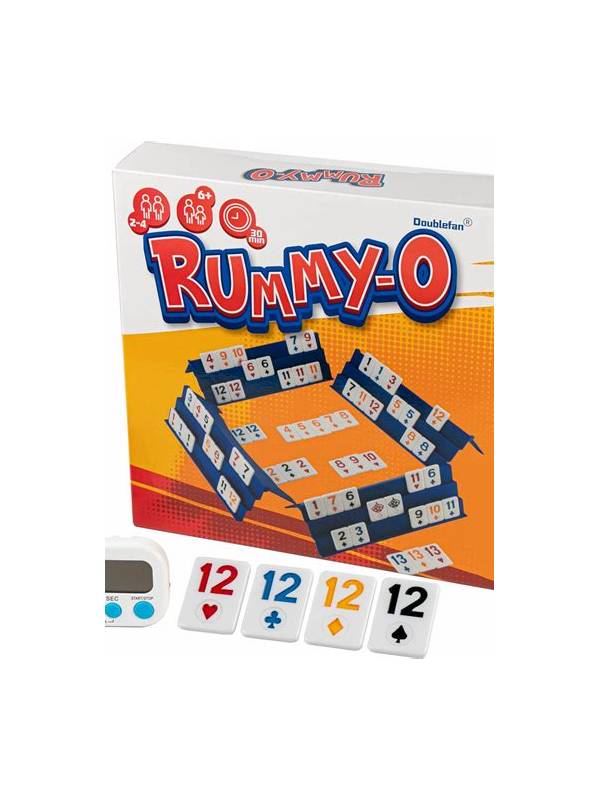
The best time to review a rummy hand is not always immediately after it ends. Right away, you remember the sequence of events, but emotions may be strong. Later, you can think more calmly, but small details may have faded. A two-stage review captures the strengths of both moments.
If the hand involved a rules question, resolve that question before drawing a strategic lesson. Otherwise you may practice around an incorrect assumption. A factual correction is often the most valuable result of a review. Keep unresolved questions in a separate list so they do not quietly become beliefs.
The immediate stage should take under two minutes. Record the format, the final result, the major turning point, and one factual uncertainty. Write what happened rather than why it happened: “the open pile showed a matching rank” is better than “the opponent trapped me.” If a technical issue occurred, note the time and visible message without adding a theory.
Wait before writing a full judgment. A short break, meal, or night’s sleep can reduce the urge to label the entire hand a success or failure. Do not use the waiting period to replay the round obsessively. The purpose is emotional distance, not more speculation.
In the later stage, reconstruct the hand from your notes. Identify the decisions that had real alternatives and compare them with the information available then. Separate facts, reasonable inferences, and guesses. A discarded card may have helped another player, but unless you had evidence of their plan, that remains a possibility rather than a fact.
Choose one lesson that can be practiced. “I need to improve” is too broad. “I will mark shared cards before the second draw” is specific and testable. If no clear lesson appears, record that the decision was reasonable under the available information and move on.
Keep results and process in separate columns. Results include score, placement, or whether a declaration succeeded. Process includes rule checks, route comparison, timing, and attention. This separation prevents a lucky outcome from validating a weak habit or an unlucky outcome from condemning a sound one.
Over time, the two-stage method creates a reliable learning archive. It preserves the hand while it is fresh, then evaluates it when you are ready to think clearly. That is enough structure to improve without turning every round into a verdict on your ability. A consistent routine also makes useful progress visible over time.
Related Post
Rummy Guide: Use a Question Ladder Before You Draw
A short sequence of questions can make a difficult rummy draw easier to evaluate. [...]
Rummy How-To: Build a Personal Vocabulary for Card Jobs
Simple labels for card roles can make sorting and reviewing a rummy hand faster. [...]