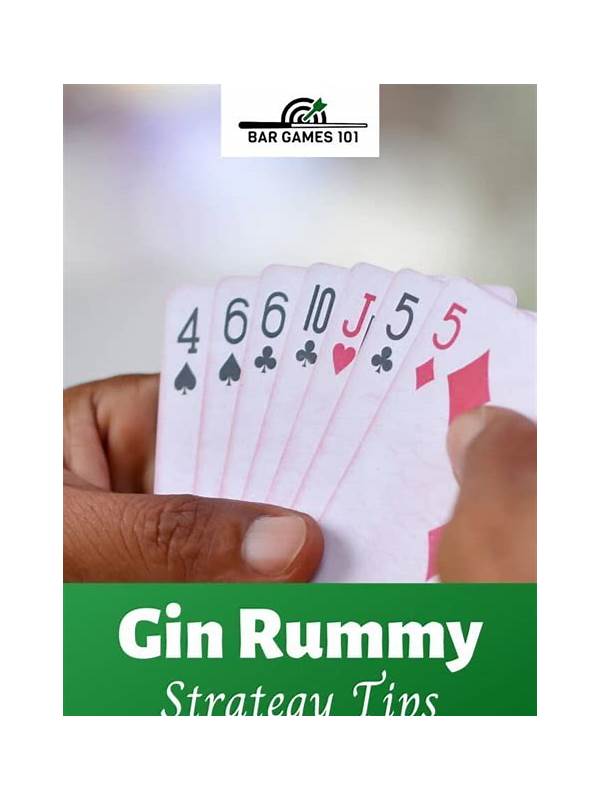
Rummy How-To: Run a Two-Pass Joker Check
A joker can improve a rummy hand, but it can also hide a weak plan. Players often see a wild card and stop evaluating the groups around it. A two-pass joker check keeps the card useful without allowing it to postpone every difficult decision.
During the first pass, assign the joker a provisional job. It might complete a sequence gap, support a set, or remain unassigned while the hand develops. Choose the role that creates the strongest legal structure with the fewest additional requirements. If the joker can serve several groups, note the alternatives rather than pretending that one assignment is final.
During the second pass, remove the joker mentally and inspect the remaining hand. Ask whether the natural cards still form a coherent plan. If they do, the joker is adding strength. If they do not, it may be masking a collection of unrelated cards. This does not mean the joker must be discarded. It means the player should identify the dependency it creates.
Next, compare the current assignment with the best alternative. A joker used to finish a group may provide immediate clarity, while an unassigned joker may preserve flexibility for a more valuable route. Consider the timing of the decision. Early in the hand, waiting can be sensible if several routes are alive. Near the end, certainty often matters more than optionality.
Set a reassignment trigger. For example, reconsider the joker when a natural card completes one route, when a needed card appears in the discard pile, or when two draws have failed to improve the supporting group. A trigger prevents endless switching based on every small change.
Finally, check the rules of the particular format. Joker values, declaration requirements, and valid group definitions can differ. A plan that is legal in one table may fail at another. The two-pass method is therefore a reasoning tool, not a substitute for reading the rules. Used carefully, it turns a joker from a source of optimism into a clear decision with a stated purpose. Keep the check separate from superstition. A joker does not guarantee that a route will succeed, and drawing one does not require an immediate declaration attempt. Treat it as a resource with an assignment, a cost, and a review point. If the rules permit a joker to move between groups before declaring, use that flexibility deliberately. If they do not, confirm the assignment before finalizing the hand. A clear record of the joker’s job makes later decisions much easier to explain. A short assignment note can help during review: write what the joker was meant to do, what would replace it, and when the assignment would change. This turns a vague advantage into an observable plan.
Related Post
Rummy How-To: Review an Opponent’s Visible Progress Fairly
Careful observation can inform your choices, but visible cards should be treated as clues rather [...]
Rummy Guide: Build a Personal Review Vocabulary
A small vocabulary of repeatable terms makes post-hand rummy reviews more precise and useful. [...]