Rummy Rules Snapshot: How to Capture a Variant Quickly
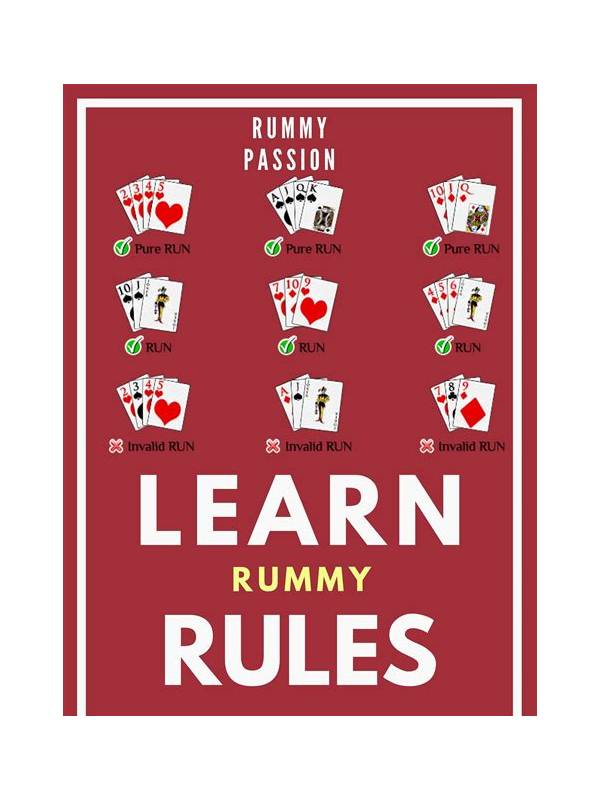
Rummy variants often share familiar words while changing important details. A short rules snapshot helps you avoid relying on memory. Before a new table begins, capture the information that changes decisions: the hand size, the required groups, joker treatment, scoring, turn timer, and declaration process. If any item is missing, treat it as an open question instead of filling the gap with an assumption.
Write the snapshot in six lines. First, record the number of cards dealt. Second, describe what counts as a sequence and whether a pure sequence is required. Third, note how printed and wild jokers work. Fourth, record how points are calculated. Fifth, note what happens after an invalid declaration. Sixth, describe the draw choices and the order of a turn.
Check the snapshot against the table’s help panel or official rules before you commit to a paid game. Names can be misleading, and a rule copied from a different format may be wrong. Pay special attention to whether an ace can be low, whether a set may contain two cards of the same suit, and whether a joker can substitute in every group. These small differences change the legality of a final hand.
Keep the snapshot visible only when it does not expose private information or distract you from the table. For a physical game, agree on the wording with all players before the deal. For an app, use the in-product help and support channels rather than an unverified message. If the rules remain unclear, choose a practice mode or postpone the hand. A pause is cheaper than discovering a variant mismatch after a disputed declaration.
After playing, add one example to the snapshot. An example group or scoring calculation can reveal a misunderstanding faster than a definition alone. Remove notes that belong to another format. Over time, a set of small, clearly named snapshots becomes more useful than one large rule document. The aim is quick, accurate orientation, not memorizing every possible variation.
Keep the wording descriptive rather than promotional. “A declaration requires two sequences and one must be pure” is useful; “fast, easy format” is not a rule. Date the snapshot if the service publishes updates, and replace it when the official rules change. If players disagree about a detail, stop the deal and resolve the wording before money or scores are involved. Clear agreement protects the whole table.
Store each snapshot where you can find it without searching during a live hand.
Related Post
Rummy FAQ: Why Do Middle Cards Have More Than One Value?
Middle cards can connect on both sides, but their value depends on the rest of [...]
Rummy Safety: Check Privacy Settings on a New Device
Reviewing privacy and permission settings can reduce avoidable exposure when accessing a rummy account on [...]