Rummy Tips: Read the Discard Pile Without Overreacting
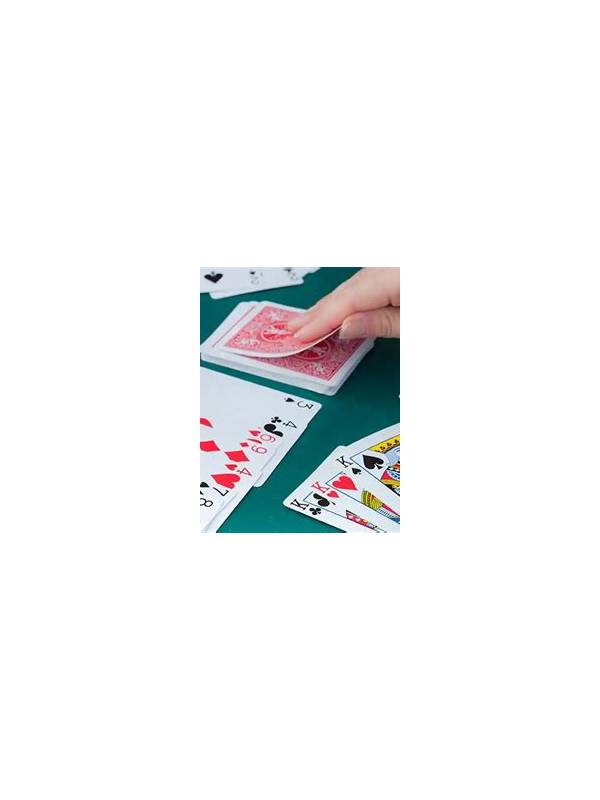
The discard pile is a useful source of information in rummy, but it is not a crystal ball. A single visible card can suggest several possible hands, and treating every discard as a definite signal often leads to poor decisions. The goal is to update your plan gradually while protecting your own hand.
Start by watching repeated ranks and suits rather than isolated cards. If several cards from one suit have appeared, that suit may be less available, but it is not automatically useless. Another player could be collecting a different part of the same suit, or the cards you need may still be in the draw pile. Record the pattern mentally, then ask whether it changes your next discard.
Pay special attention to cards that are taken from the pile. A player who picks up a visible card has shown that it fits an immediate idea, but you do not know whether the card completed a set, extended a sequence, or was taken defensively. Avoid assuming the entire surrounding group is in that hand. Use the information to avoid feeding obvious connections when you have an equally safe alternative.
Before taking a discard yourself, identify the exact job it performs. Does it complete a sequence, create two useful connectors, or merely make one attractive pair? A card that has no clear job is often a hopeful draw. If you take it, you also reveal that its rank or suit interests you, so the information cost matters.
Finally, keep your own hand flexible. Do not throw away a sound partial sequence just because the discard pile suggests another route. Compare the number of useful future draws, the points left in loose cards, and the chance that your plan can be completed without depending on one specific card. Good discard-pile reading improves probabilities; it never removes uncertainty. One practical way to stay calm is to use a two-column mental note. Record what the pile actually proves separately from what it merely suggests. Suggestions can guide a comparison, but they should not override the shape and cost of your own hand. If an opponent discards a card you wanted, recalculate your routes instead of treating the missed card as decisive. Information is useful when it changes a decision; it is noise when it only creates anxiety. When observing, avoid turning an opponent’s silence into evidence. A player may be waiting, sorting, or following a different route entirely. Use visible cards as limits and clues, then return attention to your own legal options. The strongest response to incomplete information is a flexible hand and a low-cost discard. This keeps your plan resilient even when the pile tells only part of the story.
Related Post
Points Rummy Scoring: A Worked Example for New Players
A simple scoring example shows how card values and the winning declaration interact in points [...]
Rummy Comparison: Card Count Versus Structure
A hand with fewer loose cards is not automatically better, so compare visible progress with [...]