
Rummy Guide: Arrange Cards by Plan, Not Just Suit Rummy Guide: Arrange Cards by Plan, Not Just Suit
A plan-based layout makes requirements, flexible cards, and weak leftovers easier to see at a glance. [...]
A plan-based layout makes requirements, flexible cards, and weak leftovers easier to see at a glance. [...]
Breaking a pair can be correct when it unlocks a stronger plan, but the lost options should be counted first. [...]

Keeping two or three discard candidates reduces rushed decisions and protects the hand’s strongest structure. [...]

Comparing sequence and set projects by flexibility and requirement value makes early-hand choices clearer. [...]

Reviewing permissions and privacy settings before registration can reduce unnecessary exposure on a gaming device. [...]
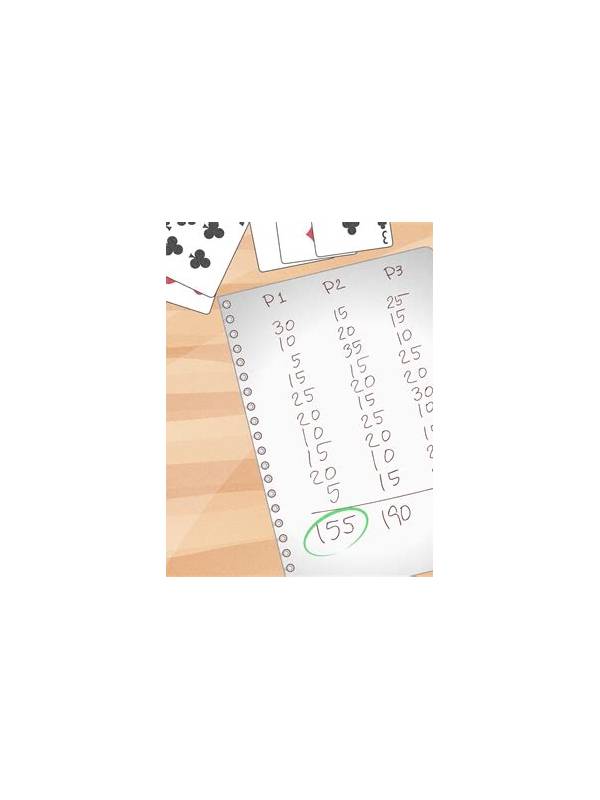
Two pairs can offer flexibility, but keeping both is only sensible when their future value is visible. [...]

Three repeatable questions can make every draw more deliberate without slowing down a casual game. [...]
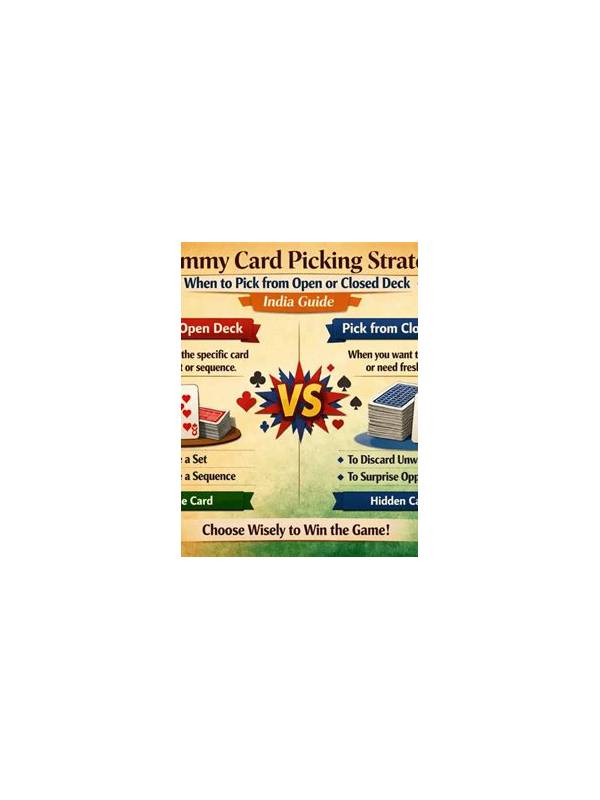
A simple information map helps you decide which cards are safe to value and which assumptions need testing. [...]

Counterfactual draw practice helps rummy players test whether a decision was robust across more than one possible next card. [...]

Near the end of a rummy hand, preserving a valid structure is usually more useful than making a flashy but fragile improvement. [...]