Rummy FAQ: What Should You Do With a Stranded High Card?
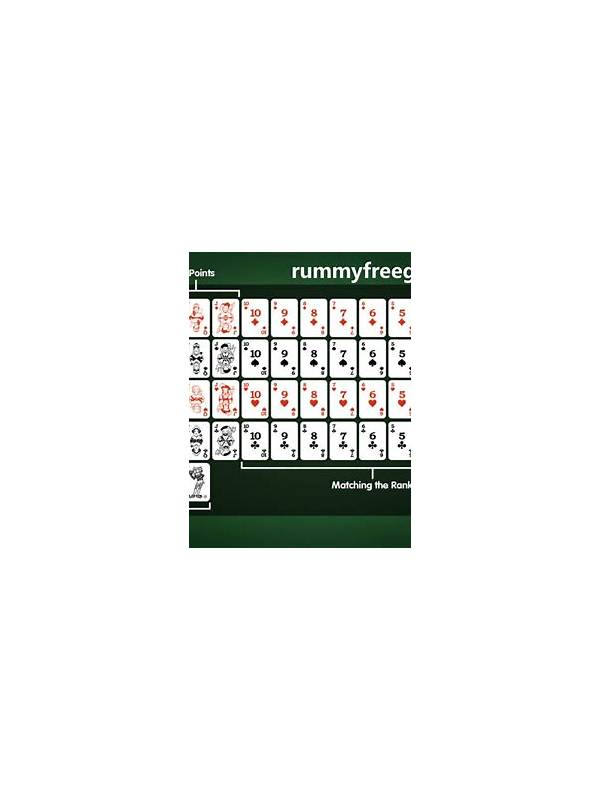
A stranded high card is an unmatched card that is not currently part of a convincing sequence or set. It can feel tempting to keep because it might become useful later, but its point value and narrow connections deserve careful attention.
Should it always be discarded immediately?
No. A high card may still have two useful neighbors, or another copy may be relevant to a set. If your hand contains a clear structure around it, keeping it for a short period can be reasonable. The important question is whether the card has a specific job. “It might help” is weaker than “it completes one of two visible plans.”
When is it especially risky to hold?
Holding is riskier when the card is isolated, expensive under the current scoring system, and difficult to connect in more than one way. It is also risky when several related cards have already appeared in the discard pile. Waiting longer does not improve the card merely because you have already held it for several turns.
Should I prefer a low card instead?
Often, yes, when both cards are equally disconnected. A low card generally carries less penalty if the round ends before you arrange it. However, point value is only one factor. A low card with no possible connection may be less useful than a high card that can join a sequence in two directions.
What does the discard pile tell me?
It can show whether the card’s neighbors are becoming scarce or whether another player may welcome it. If related cards are being discarded repeatedly, your plan may be less attractive. If the card would naturally connect with a pattern another player appears to collect, consider choosing a different discard when the cost difference is small.
How long should I wait?
Set a deadline before emotion takes over. For example, keep the card through one or two informative draws if it has a plausible plan, then release it if nothing improves. A deadline turns an open-ended hope into a controlled experiment.
The best answer depends on the complete hand, not on rank alone. Review the card’s connections, replacement cost, and penalty, then choose the discard that leaves the greatest number of practical options.
One useful habit is to compare the card with the card you would draw if it were gone. If removing it opens space for a flexible draw, the decision becomes more attractive. If removing it leaves an otherwise complete plan broken, wait for stronger evidence. Keep the review proportional to the situation: a quick classification is enough in a routine turn, while a close finish deserves a slower check of the rules and remaining cards. Whatever you choose, record the reason rather than judging the result alone. A stranded high card may be the correct hold in one hand and the correct discard in another.
Related Post
Rummy How-To: Create a Simple Hand Map
A quick hand map labels confirmed groups, live connections, and liabilities so your next draw [...]
Rummy Tips: Label Cards by Job, Not Just by Suit
Organize a rummy hand around each card’s current role to make useful changes easier to [...]