How to Practice Rummy Counting Without Playing for Money

Counting in rummy does not require memorizing an entire deck. It means noticing useful information: which ranks and suits are visible, which cards have been discarded, and how many cards remain relevant to a possible meld. You can develop that awareness with offline exercises and keep practice focused on skill rather than money.
Begin with a small display
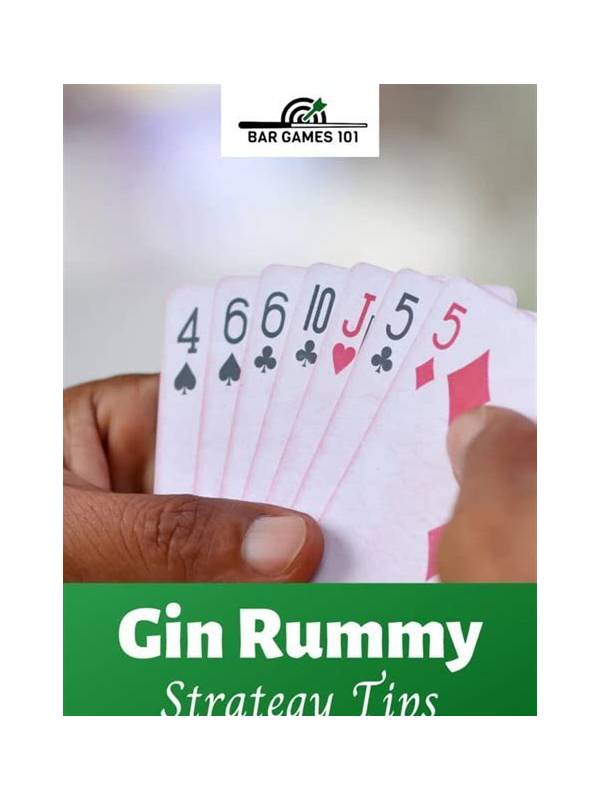
Take a few cards and arrange them face up. Look for all possible runs and sets, then cover the cards. After ten seconds, write down the suits, ranks, and any repeated values you remember. Check the result and repeat with a slightly larger group. The goal is accurate observation, not speed for its own sake.
Track one suit
Lay out a suit from low to high and remove several cards. Without turning them over, identify the gaps that could complete a run. This exercise trains you to distinguish a broad connection from a narrow one. A pair of adjacent cards has a different completion profile from two cards separated by a gap.
Reconstruct a discard sequence
Use a standard deck or cards from a previous practice hand. Place ten discards in order, study them briefly, then cover the list. Reconstruct the most recent cards first and work backward. Later, ask which visible cards would be risky to offer if you held a connected pair. This links memory to a practical discard decision.
Count conservatively
Do not treat unseen cards as guaranteed to be available. If you need one rank to complete a sequence, note that it is a target, not a promise. Count known cards only, and mark uncertainty explicitly. This prevents the common error of building an elaborate plan on cards that may already be held by another player or buried in the closed pile.
Review the exercise
After each drill, record one observation: perhaps you missed suits, confused similar ranks, or remembered the newest card but not the oldest. Change only one variable in the next round. Short sessions of five to ten minutes are enough to build consistency, especially when you practice several days apart.
Avoid turning practice into a reason to chase losses or extend a session. Free play, a physical deck, and written puzzles can teach the same observation skills with clear limits. Counting is most useful when it supports calm decisions, respects uncertainty, and stays within a safe recreational routine.
You can also practice with a partner by taking turns naming the cards that would complete a displayed pair. Compare answers only after both people explain their assumptions. This adds conversation and keeps the exercise about reasoning rather than competition.
Related Post
Rummy How-To: Sort Your Hand for Faster Decisions
A simple sorting routine can make useful combinations easier to see without forcing a rushed [...]
Rummy Comparison: Short Breaks Versus One Long Review
Short reviews after several rounds and one longer weekly review serve different learning needs. [...]