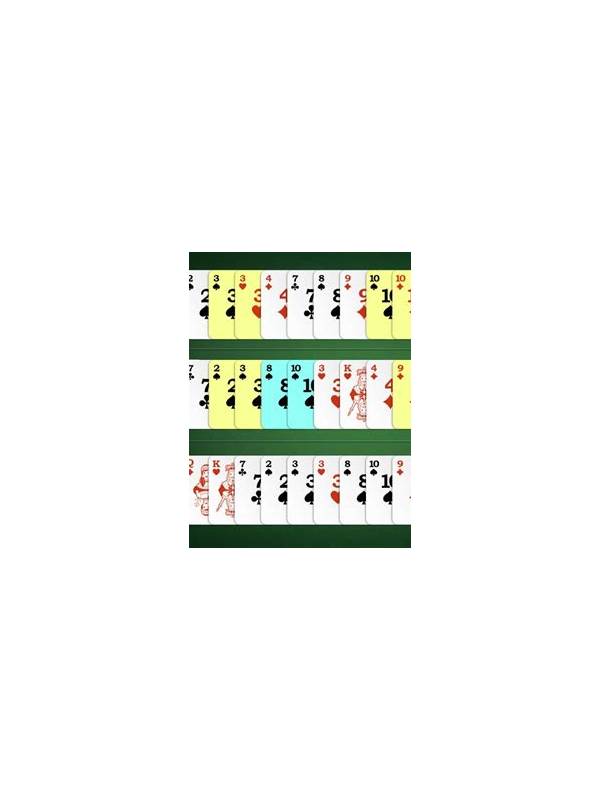
Rummy Comparison: Broad Routes Versus Deep Routes
A broad route keeps several modest ways to improve the hand alive. A deep route invests heavily in one combination that is already close to completion. Neither approach is always superior. The useful choice depends on timing, cost, and how many alternatives remain.
Broad routes help early because the hand contains little information. If several cards can serve different neighboring roles, delaying commitment lets later draws reveal which direction deserves attention. The price is that no individual group may become strong quickly, and careless holding can leave too many unfinished ideas.
Deep routes become attractive when a group has a clear structure and a small number of requirements. Protecting it can produce a reliable completion. The danger is concentration: if the missing card is unavailable or the required discard is expensive, much of the hand may be tied to one fragile hope.
Compare the routes using four questions. How many useful arrivals does each need? What card must be discarded to support it? What happens if the next two draws miss? And does the route preserve the structure required by the game? The fourth question prevents a visually attractive plan from weakening a more important obligation.
Time matters. Early in a hand, broadness has more value because there are turns available for information. Later, depth can be valuable because there is less time to start a new route. This is not a clock rule; it is a reminder that the cost of waiting changes as the hand progresses.
You can combine the approaches. Keep one deep route as a primary plan and one broad route as a fallback. Give the fallback a clear trigger, such as two consecutive misses or a discard that removes the primary route’s only flexible card. Without a trigger, calling something a fallback merely hides indecision.
When reviewing the result, avoid judging the route only by whether it completed. Ask whether it had acceptable alternatives when chosen. A broad plan that never completed may still have been sensible if it limited risk while evidence was scarce. A deep plan that succeeded may still have been poor if it required an unlikely sequence of arrivals.
The comparison is a way to balance commitment and flexibility. Choose depth when structure and timing support it; choose breadth when uncertainty is still doing most of the work.
The table may also change the balance. A fast table gives less time for a broad plan to wait, while a relaxed table may let you collect more evidence before committing. Treat pace as one input rather than as proof that an opponent is strong or weak. Your comparison should still begin with the cards and the rules in your own hand.
Related Post

Comparing Rummy Table Speeds Before You Join
Choosing a table speed that matches your attention and experience can make online rummy more [...]
How to Rebuild a Rummy Hand After a Bad Opening
A structured reset can turn a scattered opening hand into a manageable set of decisions. [...]