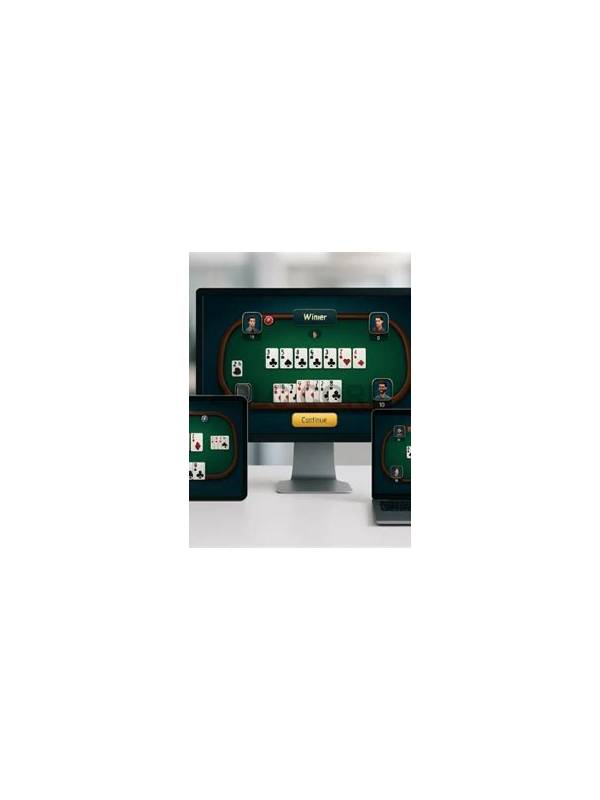
Rummy How-To: Use a State Label After Every Turn
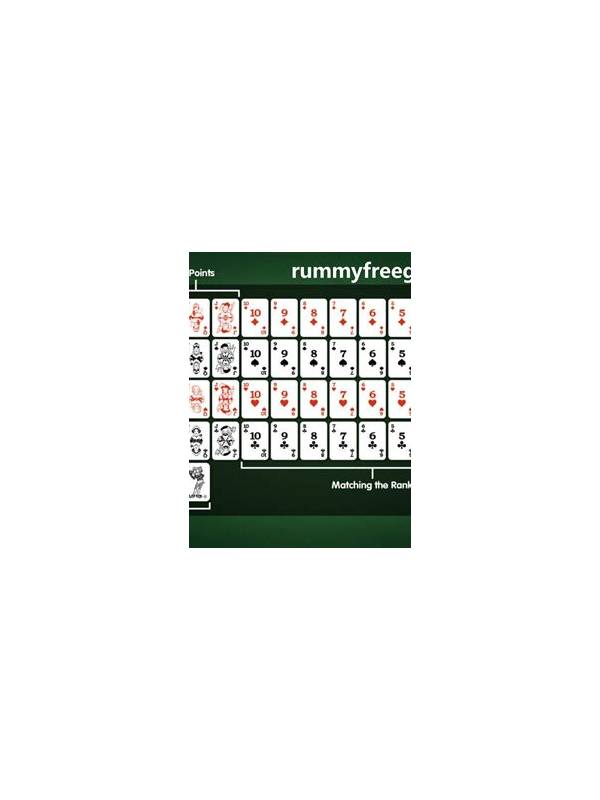
Rummy hands change quickly, and memory often preserves the plan you had before the latest card rather than the hand you have now. A state label is a compact description you create after each turn. It helps you reset your thinking before making the next decision.
Use four labels: secure, developing, exposed, and free. Secure describes a group that already has a clear legal role. Developing describes a group with plausible improvement routes. Exposed describes a card or plan that carries cost, depends on a narrow arrival, or may help an opponent if discarded. Free describes a card with no current commitment and no strong connection.
After drawing, label the affected cards again. A card can move from developing to secure, or from developing to exposed if the draw creates a difficult discard. Do not assume that a good new card improves every part of the hand. Reclassify the whole affected area.
After discarding, write one sentence in your head: “My hand is now mostly secure, with one developing route and two free cards.” The sentence should be descriptive rather than emotional. Avoid words such as lucky, unlucky, beautiful, or terrible. Those words can push the next choice before you have examined it.
State labels are useful when a card has several roles. Mark the card as developing if its best role is still uncertain. It can become secure only when one role is clearly better than the alternatives. This prevents you from counting the same card as completed progress in two different groups.
You can adapt the labels to a digital table by using a private note or a fixed visual order. On a physical table, place cards into consistent areas if the rules allow it. The aim is not to reveal information to others; it is to make your own hand state easier to read.
During review, compare the labels you would have assigned with the decisions you made. Did you keep an exposed card as though it were secure? Did you discard a free card before testing whether it had a low-cost connection? These questions identify misclassification, which is often easier to correct than a vague complaint about bad luck.
The system takes only a few seconds. Its value comes from repetition: after each turn, let the new evidence replace the old plan. A current state label gives your next decision a cleaner foundation.
If you play with a timer, prepare the labels before the hand begins so they do not become a long calculation. A quick, consistent phrase is enough. The point is to refresh your mental picture, not to produce a perfect analysis while the clock is running. Practice the labels in slower games first, then shorten them as they become familiar.
Related Post
Rummy Comparison: Local Improvement Versus Whole-Hand Improvement
Completing one small group is not always better than making the entire hand easier to [...]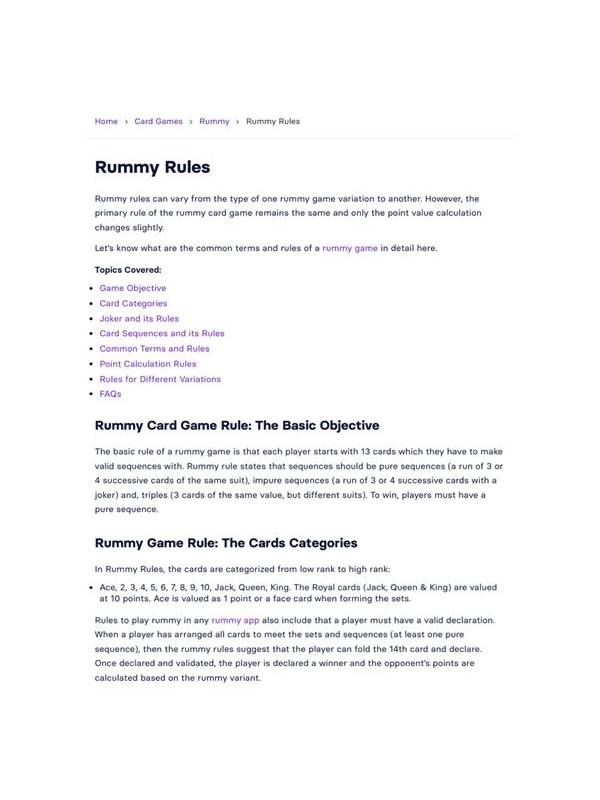
Rummy Safety: Verify Table Rules Before You Start a New Format
A brief rules check prevents avoidable mistakes when the scoring, joker, or declaration conditions change. [...]