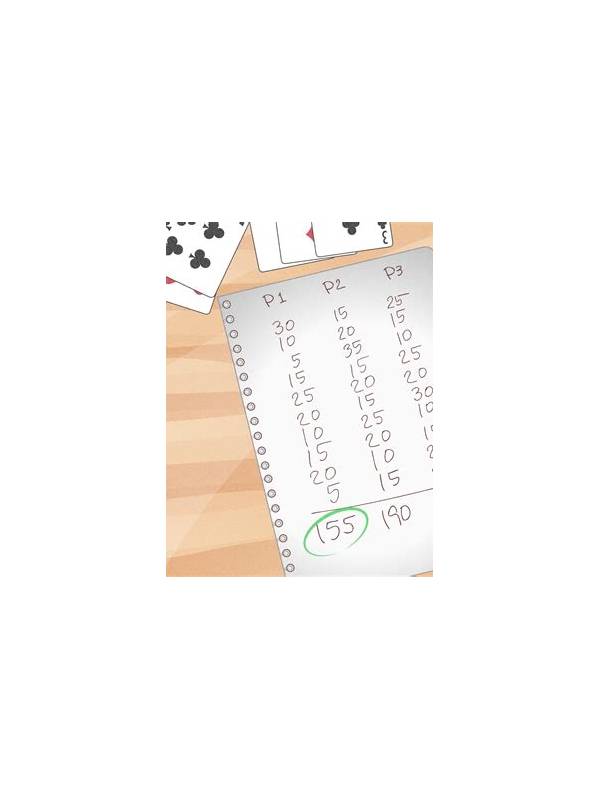
Rummy Comparison: Learning Rules From Examples Versus Definitions
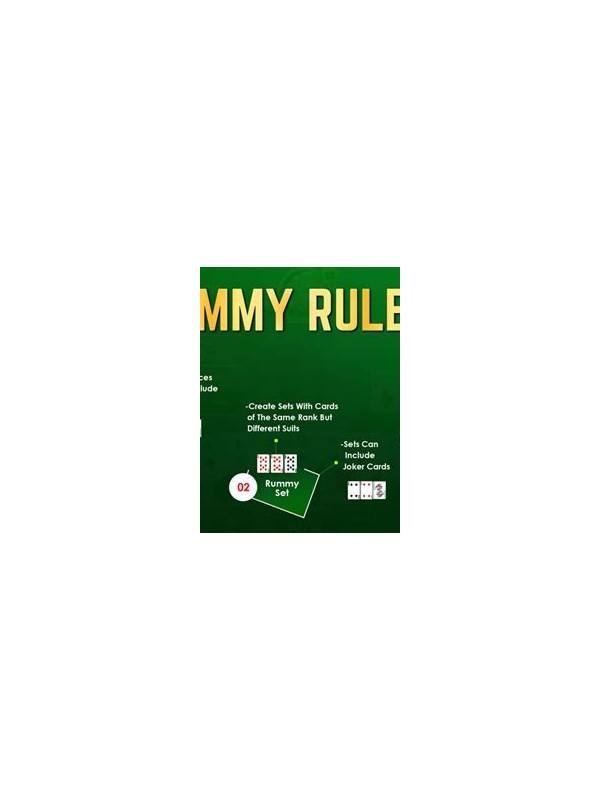
Definitions and examples teach different parts of a rummy rule. A definition states the boundary: what counts, what does not, and which terms have a specific meaning. An example shows how the boundary behaves in a real-looking hand. Relying on only one can leave a dangerous gap.
If a rule remains ambiguous, choose a practice setting with no financial consequence until it is clarified. This protects learning quality and prevents uncertainty from becoming an avoidable financial risk during practice.
Start with the definition. Learn the requirements for sequences, sets, jokers, declarations, scoring, and time limits in the format you are using. Pay attention to words such as “must,” “may,” and “only.” These small terms often change whether a move is legal. If two pages use different language, treat the platform’s current rules as the source to verify.
Then test the definition against examples. Create one legal hand, one nearly legal hand, and one clearly invalid hand. Explain the difference in plain language. This exposes misunderstandings that remain hidden when you memorize a sentence without applying it.
Examples have their own limitation: they can encourage pattern copying. A hand may look similar while differing in a crucial suit, rank, or joker condition. After studying an example, change one card and ask whether the result changes. This “one-variable” test turns passive reading into a rule check.
Keep a compact rule card with the exact format name and date reviewed. Do not copy unverified claims from chat. When a dispute appears during play, pause and consult the official explanation rather than arguing from memory.
The best learning loop is definition, example, counterexample, and short recall. That sequence builds both precision and judgment. It also makes it easier to notice when a variant uses familiar words in a different way.
When learning a new variant, avoid copying a long explanation into a note without testing it. Reduce the rule to a short statement, then create an example that could fail in exactly one place. Ask another reader to identify the difference if possible. If you are learning alone, explain the answer aloud and compare it with the official wording. Keep a list of unresolved questions rather than inventing answers during play. Before joining a competitive or money-related table, confirm the scoring and declaration rules again. A few minutes spent on definitions and counterexamples protects both your decisions and your ability to explain a dispute calmly.
Related Post
Rummy How-To: Make a Decision Log That Takes One Minute
A one-minute decision log captures the reasoning behind a rummy move without slowing down a [...]
Rummy Table Boundaries: Protect Time and Attention
Set practical boundaries before an online rummy session so play remains controlled and comfortable. [...]