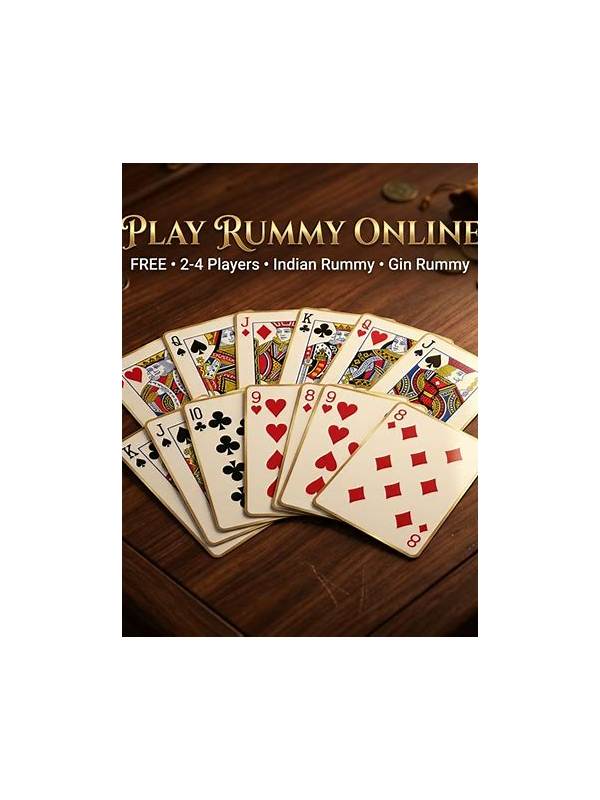
Rummy Comparison: Random Draws Versus Planned Draws
Every draw contains some uncertainty, but not every draw is equally random from a decision-making perspective. A random draw is one made without a clear improvement target. A planned draw is one made after identifying what the card would accomplish and what you will do if it does not appear.
Random draws are common early in a hand. You may have several disconnected cards and no reliable direction. That is not automatically bad. Exploration can be reasonable when the hand is open and the cost of waiting is small. The problem appears when exploration continues after a useful structure has become available.
A planned draw begins with a role. You might seek a connector for a promising sequence, a matching rank for a set, or a card that lets you release a high-value leftover. Before choosing the deck or discard pile, name the role in one sentence. If you cannot name it, you may be reacting to the most visible card instead of improving the whole hand.
Planned does not mean certain. A card can be useful in more than one future arrangement, and several unseen cards may satisfy the same need. The strongest plans therefore have alternatives. If the exact connector fails to arrive, you might still retain a second sequence path or safely discard the isolated card. A plan with only one narrow outcome is closer to a wager than a flexible strategy.
Compare the two approaches with a simple review. Did the draw increase the number of valid groupings? Did it lower your leftover points? Did it preserve the required pure sequence? If none of these happened, identify why the draw was taken. Perhaps the table forced a defensive move, or perhaps you overlooked a better option. This review turns vague hope into useful evidence.
Planned draws are particularly valuable in the middle game, when each turn should reduce uncertainty. They also help you avoid collecting attractive cards that do not work together. Use random exploration when the hand truly lacks direction; shift to planned draws as soon as a stable structure appears. The goal is not to predict the next card perfectly. It is to make each draw serve a stated purpose and leave you with a sensible next step. This approach also makes a hand easier to review. You can ask whether the stated purpose was reasonable with the information available, even when the result was unfavorable. That distinction helps you improve selection quality instead of rewarding lucky guesses or criticizing every unsuccessful draw.
Related Post
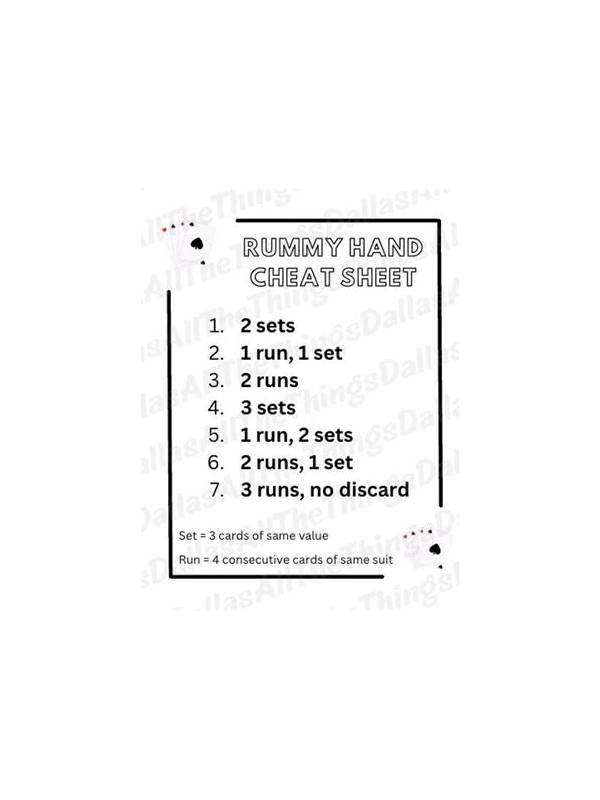
Rummy Opening Hand Audit: Find the Loose Cards First
A quick audit helps new players see which opening cards have real grouping potential before [...]
Rummy Comparison: Exact Targets Versus Conditional Targets
Comparing exact and conditional targets helps players judge whether a rummy plan is narrow or [...]