Rummy Guide: Use a Neutral Vocabulary for Hand Review

Use the same labels across several hands so comparisons remain meaningful. Changing the definition of “connected” halfway through a review can make a pattern look stronger or weaker than it really is.
Keep the vocabulary on a small template with three prompts: what was known, what role did the card have, and what action followed? Answering those prompts after a hand is often enough. The template keeps review focused and reduces memory-based storytelling.
The words used in a hand review influence what you learn from it. Calling a card “stupid” or a decision “obvious” may express frustration, but those labels do not explain the situation. A neutral vocabulary gives you better information and makes repeated patterns easier to see.
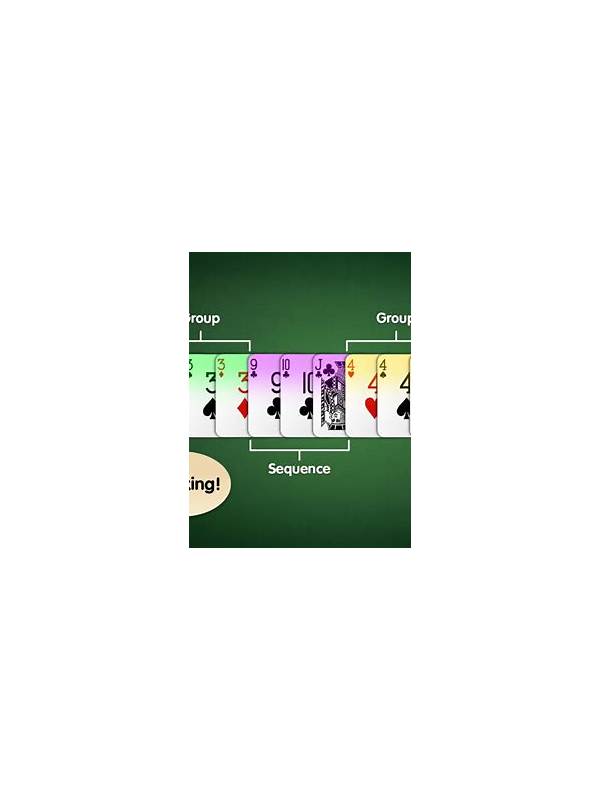
Start by describing cards as confirmed, connected, isolated, or conditional. Confirmed means a card belongs to a legal structure you have already established. Connected means it has a realistic relationship with another card, but the group is not complete. Isolated means no current route is convincing. Conditional means the card becomes useful only if a specific event occurs.
Describe decisions with verbs rather than judgments. You “protected,” “released,” “tested,” “waited,” or “switched.” Then add the reason: protected a required sequence, released a high-cost isolated card, tested a two-way connection, waited for one more piece, or switched after the route narrowed. This language records an action and its purpose without declaring success in advance.
For uncertainty, use explicit markers. Write “known,” “likely,” or “unknown.” If you think an opponent wanted a card, label that as a hypothesis. Do not write it as a fact. This prevents the final outcome from rewriting the information available during the turn.
Neutral vocabulary is especially useful after a loss. Instead of “I panicked,” identify the observable change: “I stopped comparing replacement costs after the time clock appeared.” That statement creates a practice target. After a win, the same discipline prevents overconfidence. A lucky draw can complete a weak route; the vocabulary keeps the analysis focused on the decision before the draw.
Keep your personal vocabulary small. Five or six reliable labels are enough. You can add a format-specific term when needed, but a complicated taxonomy may become another distraction. The purpose is to make reviews faster and more precise, not to produce academic notes.
After several reviews, look for repeated combinations. Perhaps “conditional” cards are being held too long, or “switch” decisions happen only after a point penalty becomes unavoidable. Those patterns are actionable. A neutral vocabulary turns a vague feeling about your game into a set of observations that can guide the next practice session.
Related Post

Rummy Safety: Verify Links Before Opening Them
Checking a link independently helps prevent table messages from turning into account or payment risks. [...]
Rummy Guide: Set Up a Calm Table Before the First Deal
A consistent table setup reduces distractions and makes hand organization, rule checks, and score tracking [...]