Rummy Safety: Verify Links Before Opening Them
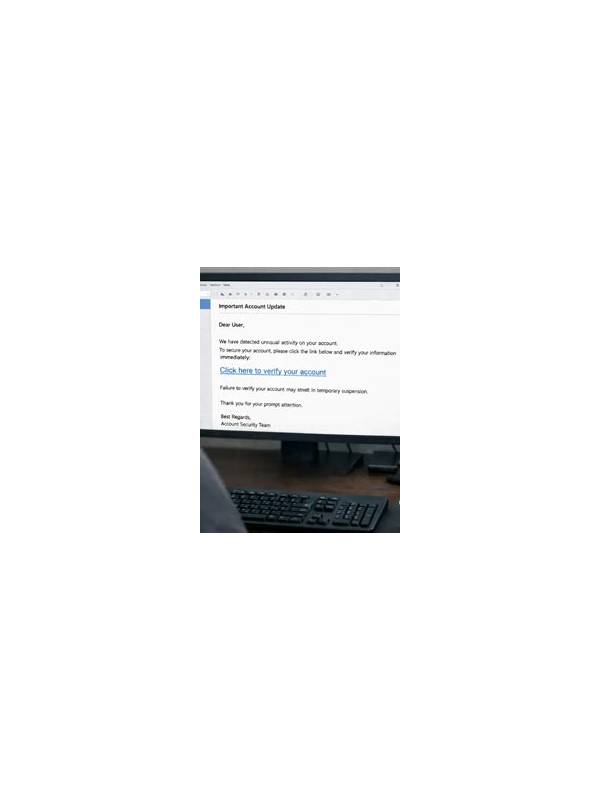
A link shared in a rummy chat may look helpful, but appearance is not proof of safety. Someone may send a table invitation, a support page, a promotion, or a payment-related address. Before opening it, pause and ask whether you expected the message and whether the link is necessary for the action you want to take. Urgency is a reason to slow down, not a reason to skip checks.
Inspect the visible address carefully, especially the domain and spelling. Look for extra words, unusual endings, substituted characters, and shortened links that hide the destination. Do not rely on a familiar logo or a message that uses your name. Attackers can copy a brand’s visual style and use friendly language while directing you elsewhere.
When possible, navigate to the service through a bookmark or by typing its known address yourself. Find support or account notices inside the service rather than trusting a private message. If the message claims that your account is in danger, verify the claim through an independent channel. Do not reply with a password, one-time code, recovery phrase, or payment information.
Keep your device protections active and avoid opening unexpected links on a shared device. If you clicked something and a page asks you to install software, allow notifications, or enter sensitive information, stop and close it. A genuine game or support action should not require secrecy or pressure. If you entered information by mistake, change the affected password through the official route and review account activity.
The safest habit is simple: separate the message from the action. Treat the message as a claim that needs checking, not as authority. You can continue playing without following a link immediately. A short delay costs little, while an exposed account or payment detail can be difficult to recover.
Remember that safety and courtesy can coexist. You may tell the sender that you will verify the address independently. A trustworthy person or service should accept that boundary. Anyone who demands immediate compliance, asks for confidential codes, or discourages verification is providing useful warning evidence.
If you are unsure, do nothing with the link until you can confirm it. Save the message only if needed for an official report, and avoid forwarding it to friends who might click accidentally. Caution is still effective when it is quiet, ordinary, and consistent.
Related Post
Rummy Comparison: One Strong Group or Several Partial Groups
Compare an anchored hand with a flexible hand by examining requirements, points, and next-turn choices. [...]
Rummy Guide: Build a Suit-Shape Snapshot Before Your First Draw
A quick suit-shape snapshot can reveal which cards deserve attention before the first draw. [...]