Rummy Comparison: Short Holds Versus Long Holds
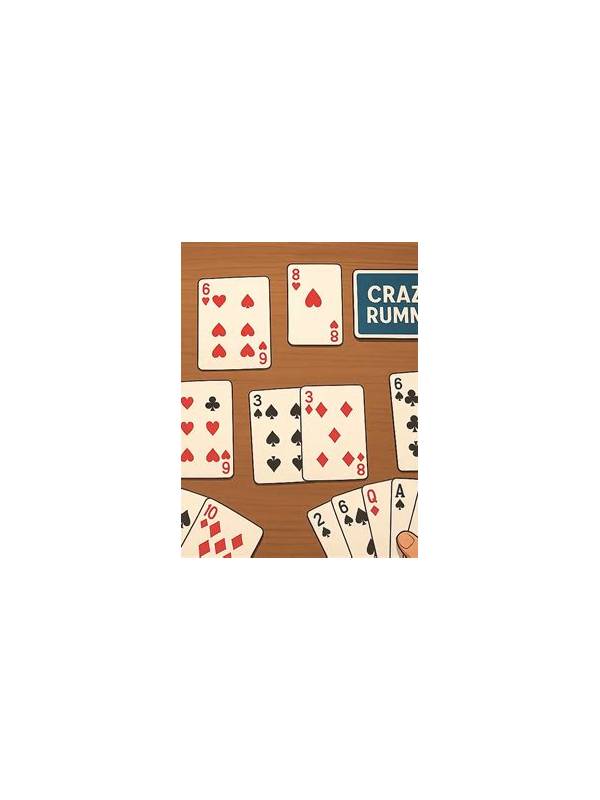
A short hold contains a pair or small connection that may improve quickly. A long hold contains a wider plan involving several cards, perhaps two possible sequences and a group. Neither style is automatically better. The right choice depends on how much flexibility the hand can afford and how expensive the unresolved cards are.
Short holds are easy to evaluate. They usually need one nearby card or one matching rank. They can also be released quickly if a better route appears. Their weakness is narrowness: if the needed card is unlikely or the two held cards compete with another plan, the apparent simplicity becomes a trap.
Long holds protect more possibilities. A broad arrangement can absorb a useful draw without requiring a complete rebuild. It may be especially valuable early, when little information is available. The cost is attention and space. Holding too many possibilities can leave high-value cards unprotected and make the final decisions rushed.
Compare the two holds using three measures. First, count live improvements rather than imagined ones. Second, estimate the penalty of keeping the cards for another turn. Third, ask how easily the hold can be converted into a confirmed combination. A short hold with one live improvement and low penalty may be sensible. A long hold with several live improvements may be better if its cards remain connected across different routes.
Timing changes the comparison. Early in a hand, long holds can preserve options. Later, short holds that complete or nearly complete a required combination may deserve priority. The same cards can therefore switch roles as the hand develops.
When uncertain, avoid comparing labels such as “safe” and “risky.” Describe the next decision each hold creates. If the short hold fails, can you release it cleanly? If the long hold succeeds, does it solve a real requirement or merely create another attractive pair? These concrete questions reveal the practical value of each approach and keep a difficult discard from becoming a vague guess.
Consider a short hold containing two connected low cards and a long hold built around several middle cards. The short hold may be easy to abandon, but its only improvement could be one exact card. The long hold may appear untidy, yet three different draws could strengthen it. Compare the likely failure states rather than the number of cards in each arrangement. If the long hold requires breaking a confirmed sequence, its flexibility is less useful than it first appears. A good comparison is local and practical: what changes after this draw, what remains unresolved, and how costly is the cleanest exit?
Related Post
Rummy Practice: Score the Quality of a Decision
A process-based scoring method helps rummy learners review choices without judging only the result. [...]
Rummy Comparison: One Strong Route Versus Two Average Routes
Comparing route quality and route count helps players avoid confusing flexibility with genuine progress. [...]