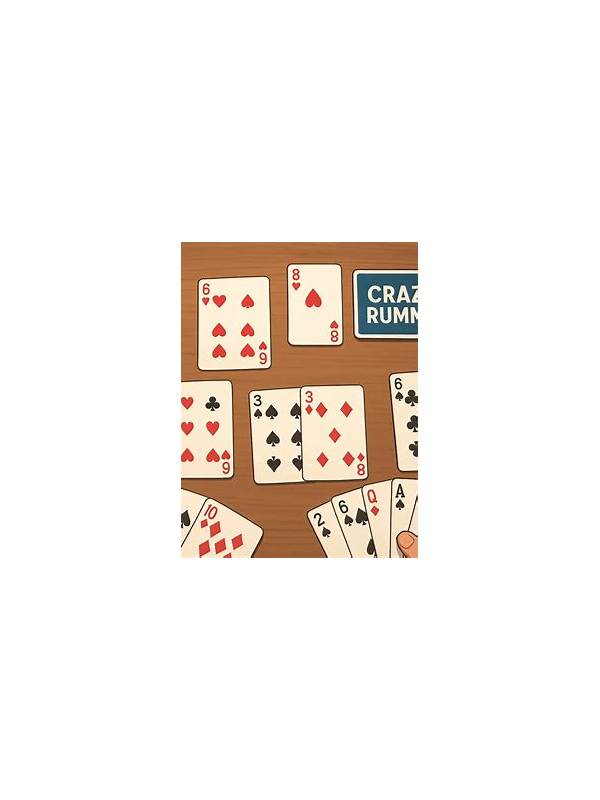
Rummy FAQ: Does a Bigger Group Always Mean a Better Group?
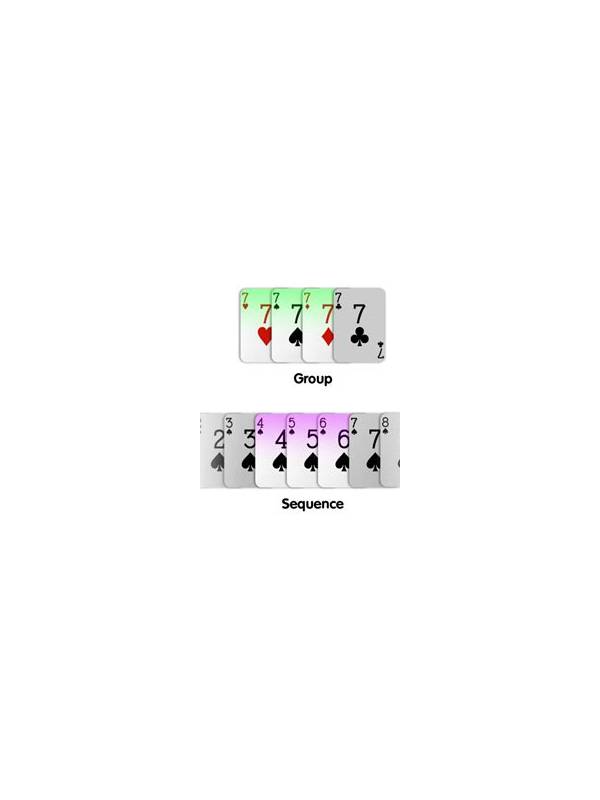
A long run or large set looks satisfying, but size alone does not decide whether a group is valuable. A group must fit the format’s rules, support a valid final arrangement, and leave the other cards manageable. A large group that consumes flexible cards may be less useful than a smaller group that protects several routes.
First check legality. In many rummy formats, a sequence needs the right suit and order, while a set needs matching ranks in different suits. A long-looking collection can still contain a gap or an unsuitable card. Keep the legal structure visible before judging its size. A four-card group with one invalid attachment is not automatically better than a clean three-card group.
Next examine flexibility. Ask how many cards could extend or rearrange the group. A middle sequence often has more possible neighbors than an edge sequence, but that is not a rule for every hand. A set may be easy to expand yet difficult to connect with the cards left over. The group’s value depends on the jobs your remaining cards still need to perform.
Finally inspect the opportunity cost. If making a large group required holding several high-point cards for many turns, it may have increased risk. If it used a card that could have completed a pure sequence elsewhere, the visual improvement may hide a strategic loss. Keep a group because it improves the whole hand, not because it looks complete in isolation.
During review, compare two snapshots: the hand before the group grew and the hand after it grew. Did the number of viable next draws increase? Did deadwood fall? Did the final declaration become easier? These questions reveal whether the extra card created real progress or only a more attractive pattern.
Size is useful evidence, but it is not a verdict. Judge every group by legality, flexibility, penalty, and its relationship with the rest of the hand. A modest group that keeps the hand adaptable can be the stronger foundation.
One useful drill is to hide the group labels and look only at the cards left outside them. If those cards still have several sensible destinations, the large group may be helping. If the leftovers form a narrow chain of hopes, the group may be absorbing too much attention. Repeating this drill with different hands teaches you to value the whole arrangement rather than the most impressive cluster.
Also compare the group with the format’s declaration requirements. A group can be large and still fail to protect the required pure sequence or other condition. Keep the essential requirement visible while evaluating size, because the rest of the hand must support it.
Related Post
Rummy Hand Notation: A Simple Way to Record Practice Games
Lightweight notation lets players review rummy decisions without trying to remember every card. [...]
Rummy Comparison: Immediate Points Versus Hand Structure
Comparing immediate point reduction with stronger hand structure helps explain difficult rummy trade-offs. [...]