Rummy How-To: Build a Fallback Plan Before Taking a Risk
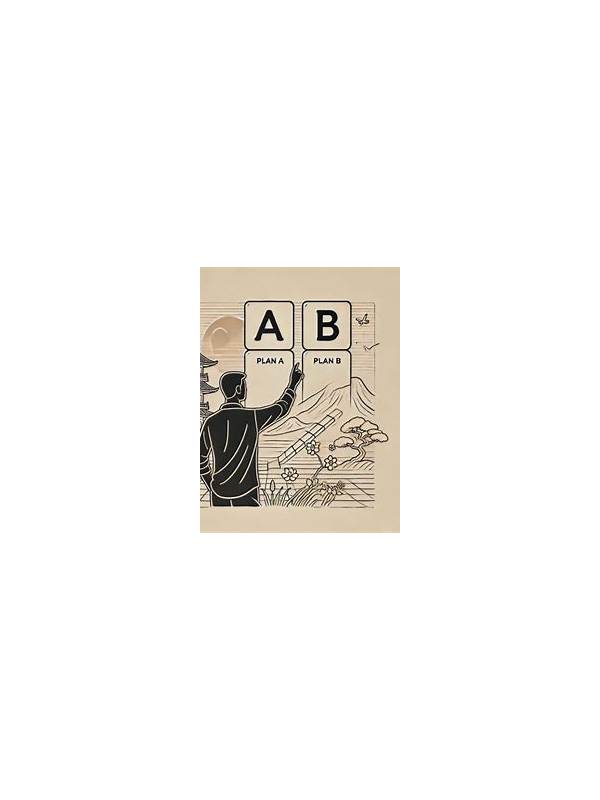
A risky draw is easier to evaluate when it has a fallback. Instead of asking whether a speculative plan will work, decide what you will do if it does not. This turns uncertainty into a sequence of manageable choices.
Begin with the primary plan. Name the exact improvement you want and the cards that support it. Avoid a vague goal such as “make the hand better.” A clear target makes it possible to notice when the plan is failing. Write down the maximum number of turns you are willing to spend pursuing it.
Now choose a fallback that does not depend on the same card. It might be a separate sequence, a low-penalty discard plan, or a way to convert a pair into a safer holding. The fallback should already have at least one useful card in your hand. If it requires a second unlikely draw, it is another gamble rather than a safety net.
Set a trigger for switching. A trigger can be time-based, such as “change after two misses,” or state-based, such as “switch if the only target leaves the discard pile.” Make the trigger observable. “If the hand feels bad” is too vague and may be ignored when excitement is high.
Before each draw, compare the primary and fallback plans using three checks: what improves each plan, what penalty each carries, and how much flexibility remains afterward. If the primary plan still has a wide route and low cost, continue. If it has narrowed while the fallback remains sound, switch without treating the change as failure.
After the hand, record whether the fallback was realistic. A good fallback should have made at least one reasonable next move available. If it never could, design a different one next time. The purpose is not to avoid every risk; it is to ensure that a miss does not remove your ability to make a sensible decision.
A fallback plan protects attention as much as cards. Once you know what you will do after a miss, you can examine the attractive possibility calmly and leave it promptly when the evidence changes.
Keep the fallback small enough to remember. It does not need to be a complete second strategy with its own long list of targets. One legal group, one safe discard route, or one way to reduce points can be enough. The fallback is a bridge to the next decision, not a guarantee that the hand will become favorable.
Related Post
Rummy Table Layout: Why Consistent Organization Helps
A consistent card layout reduces visual searching and makes hand verification easier during online rummy. [...]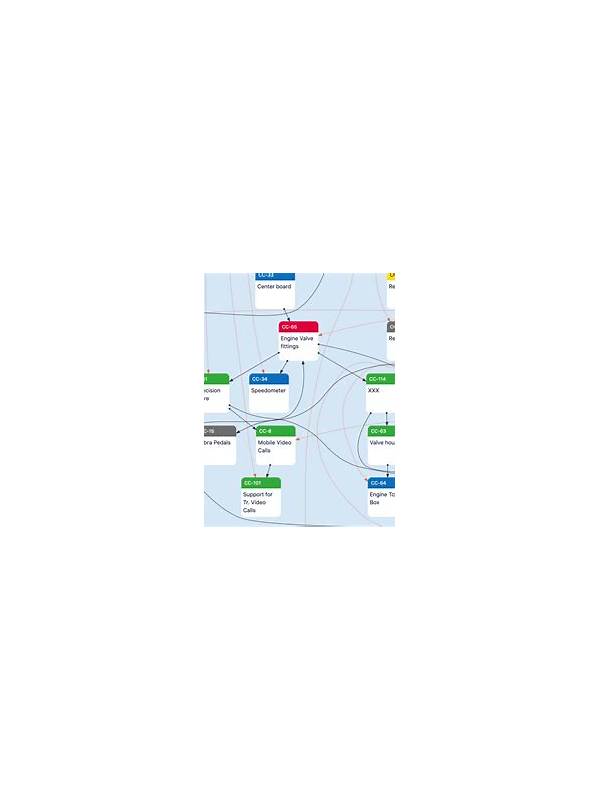
Rummy Guide: Use a Dependency Map for Unfinished Groups
Mapping the cards each group depends on makes it easier to spot fragile plans. [...]