Rummy Tips for Keeping Your Discard Reasonable
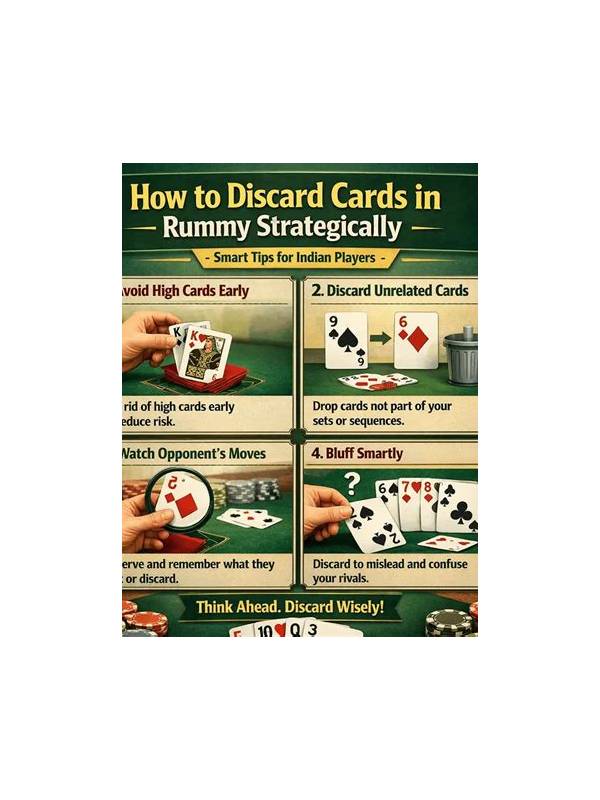
The best discard is not always the card you like least. It should also fit the information already visible and avoid giving another player an obvious connection when a similar safe choice exists. This does not require perfect prediction. It requires a short, repeatable comparison.
First, remove cards that do not support any realistic group. An isolated high card is often a natural candidate, but verify that it is not part of your only required sequence. Next, compare the remaining candidates by flexibility. A card with two possible routes may be more useful than a card that is technically part of a weak pair.
Then inspect the open pile. If another player recently took a card from a particular rank or suit neighborhood, be cautious about discarding a close companion. The pickup is not proof of a plan, so do not freeze your entire hand around it. Use the clue as a tiebreaker when two discards are otherwise similar.
Consider what the discard says about your own hand. A sudden series of cards from one suit may reveal that you abandoned a route, but information cannot be eliminated entirely. Do not keep a harmful card solely to appear unpredictable. Improve the hand first, then use reasonable discretion when the improvement is equal.
Finally, check the next draw. The discard should leave at least one sensible route open unless you are deliberately closing a weak plan. If removing the card creates a hand full of exact one-card hopes, the move may be too aggressive. Good discards reduce clutter while preserving a workable future.
This method produces decisions that are easy to explain after the round: the card was isolated, costly, narrow, or more dangerous to release than its alternatives. That clarity matters more than finding a magical discard rule. Rummy contains uncertainty, but a consistent selection process keeps uncertainty from becoming impulsive play.
When two candidates are close, prefer the discard that leaves future choices easier to describe. Clearer hands are easier to review after the next draw and less likely to produce a rushed declaration. This does not mean always choosing the safest-looking card; it means making the tradeoff visible before letting go.
Make the comparison quickly, then commit. Endless reconsideration can create a different kind of error: missing the turn or discarding under pressure. A short method is valuable because it can be completed consistently.
After acting, accept the new position and reassess on the next draw instead of replaying the decision in your head.
Related Post

Rummy Safety: Keep Payment Decisions Separate From Game Decisions
A simple boundary system can reduce impulsive spending when a rummy session includes paid features. [...]
Rummy Tips: Label Cards by Commitment Level
Commitment labels show which rummy cards are protected, provisional, or ready to release as the [...]