Rummy How-To: Create a Neutral Replay From a Finished Hand
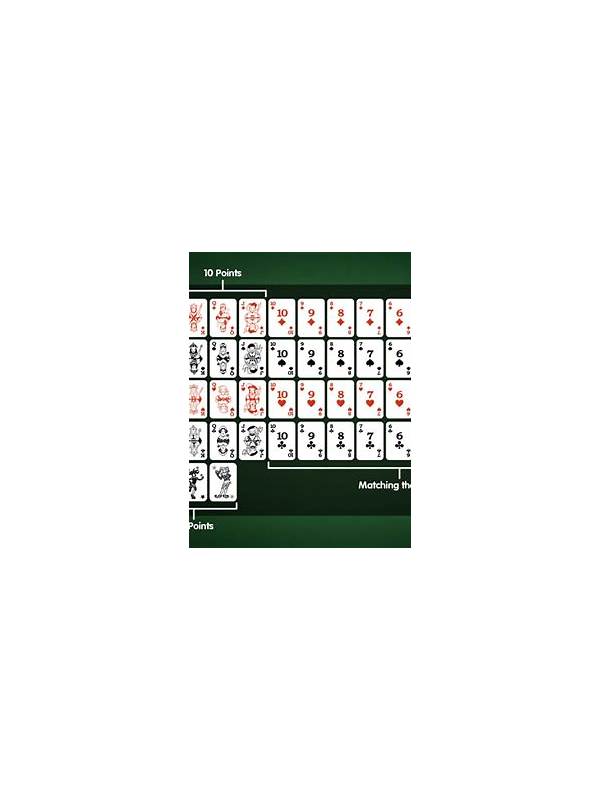
Reviewing a completed rummy hand can improve your decisions, but only if the review is fair. It is tempting to look backward from the result and declare every losing choice wrong. A neutral replay avoids that trap by reconstructing what was visible at each moment, what alternatives existed, and what information arrived later.
Begin with the opening hand and record only observable facts. Note the obvious pairs, connected cards, isolated high-value cards, wildcards, and the routes that required the fewest new cards. Do not write that one plan was “clearly best” unless the evidence at the time supported that conclusion. Early in a hand, several routes can be reasonable.
Then mark each turning point. A turning point is a draw, discard, pickup, or opponent action that changed the available choices. For every point, write three short lines: what you knew, what you chose, and what another reasonable choice would have been. The alternative does not need to be a guaranteed winner. It only needs to be plausible under the information available then.
Separate decision quality from outcome. If you released a high-value card after comparing its weak connections with a safer route, the decision may have been sound even if the next player benefited. Conversely, a lucky draw does not automatically validate a speculative choice. Ask whether the decision had a sensible reason before the result appeared.
At the end, classify the lesson as one of three types. A recognition error means you missed information already visible, such as a completed group or a duplicate route. A process error means you skipped a useful check, such as failing to compare the discard with the replacement card. A variance event means the decision was reasonable but the needed card did not arrive. This classification keeps practice focused.
Finish with one adjustment for the next session. Make it observable, such as “check the discard pile before releasing a connector” or “reassess speculative routes after two unhelpful turns.” One specific adjustment is easier to test than a vague promise to play better. A neutral replay should leave you with a clearer process, not a longer list of regrets.
Related Post
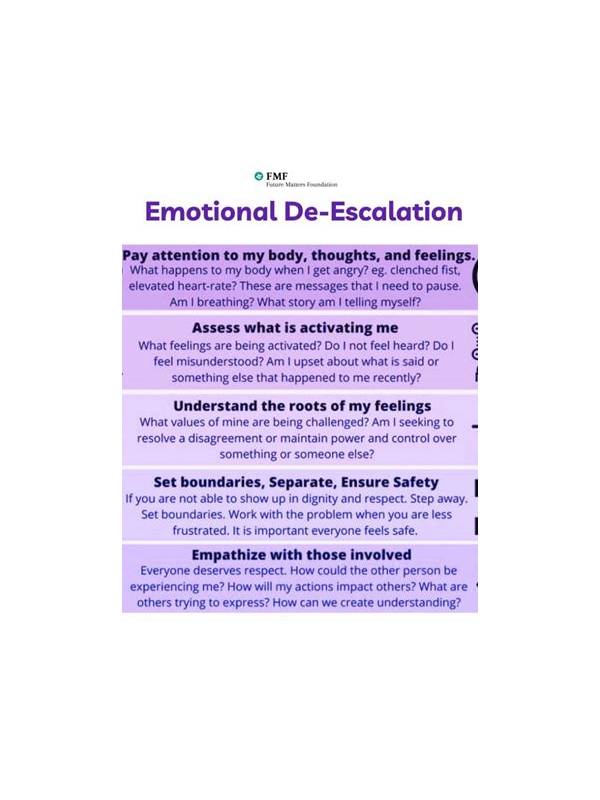
Rummy Safety: Keep a Pause Rule for Emotional Decisions
A prewritten pause rule creates space between strong emotion and the next rummy decision. [...]
Rummy How-To: Practice the First Thirty Seconds of a Hand
A short opening routine helps you identify requirements, structure, and risk before the hand becomes [...]