Rummy FAQ: When Is a Low-Risk Discard Still Wrong?

Yes. A safe discard is usually judged by the chance that another player can use the card, but your own opportunity cost matters just as much. A card may look harmless to release while quietly serving as a bridge between two possible sequences.
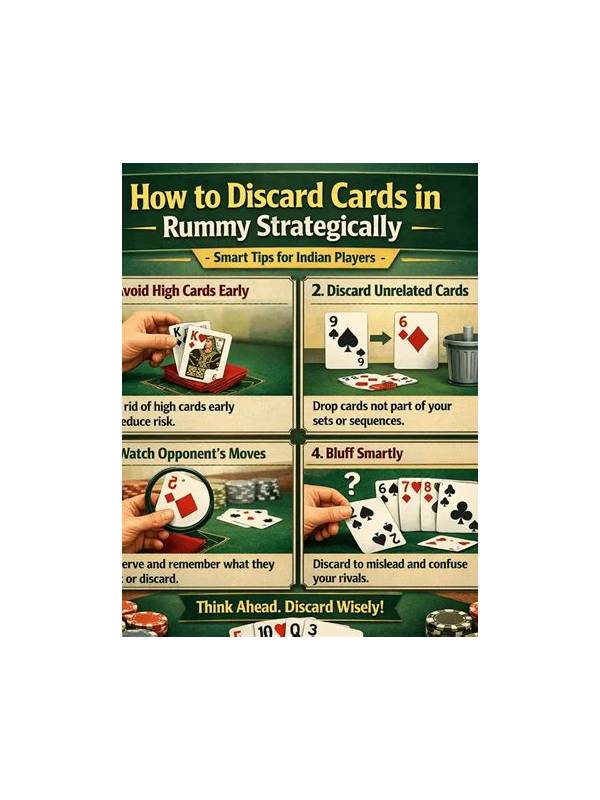
Begin with your hand, not the discard pile. Before discarding, list the cards that could improve the card you are considering. A middle card often has more neighbours than an edge card. A card that belongs to two possible suits or ranks may be more flexible than a high card that appears safer. If removing it destroys a pure sequence possibility, the discard is expensive even when opponents are unlikely to pick it up.
Then read the table evidence carefully. A player who repeatedly takes cards from the open pile may be collecting a visible route, but silence is not proof that a card is useless. A card can be safe against one observed plan and still help an unseen plan. Treat table reading as a probability adjustment, not a guarantee.
Compare replacement value. If the card you want to discard has three possible improvements and your alternative has one, keeping the flexible card may be sensible. However, if the alternative is a high penalty card with no connection, removing that card may be better even if it is slightly more useful to an opponent. Your objective is to improve your legal hand while limiting exposure, not to eliminate every theoretical risk.
Finally, consider timing. A discard that is acceptable early may be poor late because you no longer have turns to rebuild. Use a short question: “Which choice leaves me with more realistic ways to finish after the next draw?” That answer normally gives a better guide than the label safe or unsafe.
In short, safety is only one dimension. Judge your own flexibility, penalty, legal requirements, and the information visible at the table before releasing a card.
This approach is useful when the discard pile creates anxiety. Anxiety can make a player choose an obviously poor card simply because it feels less informative to opponents. Instead, rank the candidates and identify the one that does the least damage to your own route. If that card also appears relatively safe, the decision is strong. If it is slightly exposed but preserves a much better hand, accept the calculated risk. A decision can be careful without being perfectly protected.
Related Post
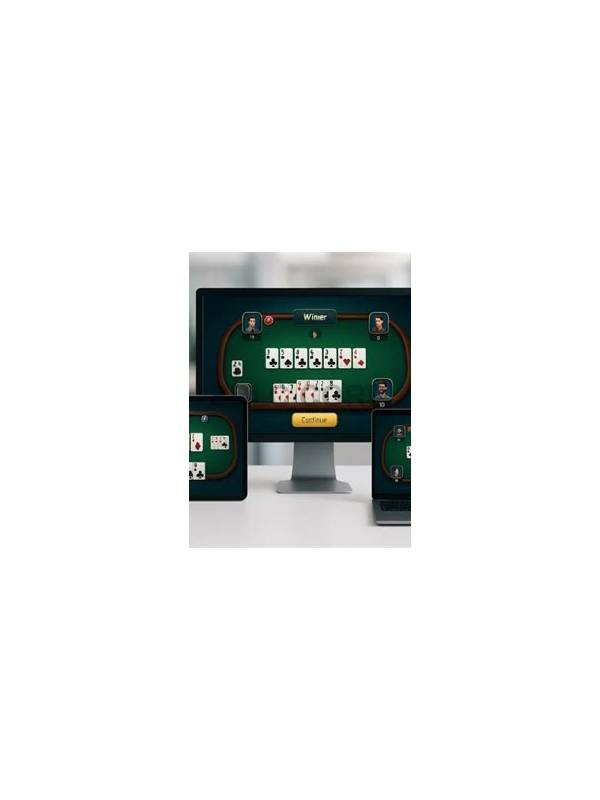
Comparing Mobile and Desktop Rummy Play
Mobile and desktop rummy each offer practical advantages, so the best choice depends on control, [...]
Rummy How-To: Recover After a Plan Becomes Unlikely
Follow a measured reset process when the cards needed for your original rummy plan stop [...]