Rummy FAQ: Should You Always Keep a Joker?
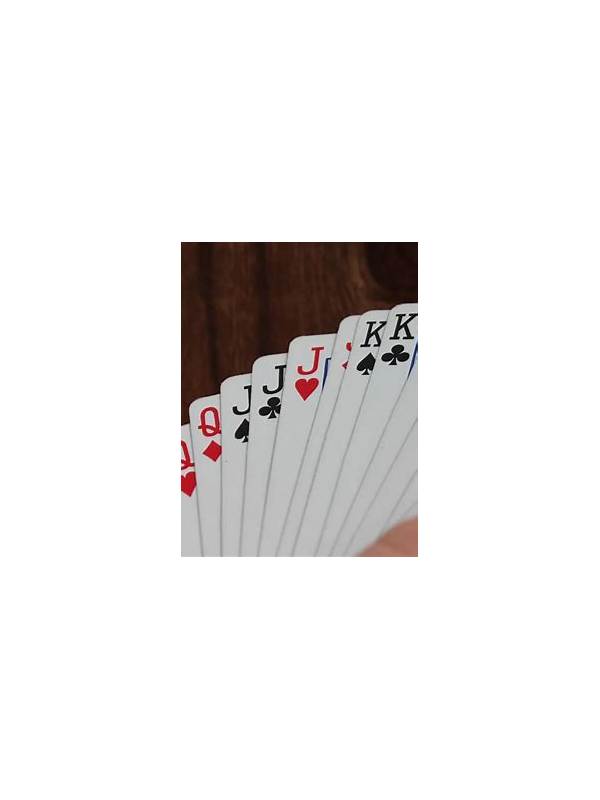
Keeping a joker feels natural because it can substitute for several cards. Yet “always keep it” is too simple. The joker’s value comes from how it helps complete a legal, low-risk structure, not from flexibility alone.
First, check the pure-sequence requirement. A joker cannot usually replace the natural cards in a pure sequence. If your hand lacks one, the joker may be less urgent than a natural card that helps build it. Do not spend the joker on a set merely because the set can be completed immediately if doing so leaves the hand unable to meet the basic declaration rules.
Then compare possible uses. A joker may complete a long sequence, protect a high-value card, or connect a group with several natural cards. Prefer a use that resolves multiple problems at once. If the joker only preserves an attractive but narrow idea, keeping it without a review point can delay better decisions.
Timing changes the answer. Early in a hand, holding the joker can preserve options while you learn which structures are realistic. Late in a hand, using it may reduce points and finish a combination. The correct moment is shaped by the cards you have drawn, the visible discards, and how close opponents seem to be.
Also consider whether the joker is doing useful work in your current arrangement. A card that sits unused while you keep several weak groups is not automatically an asset. Ask what you would lose by releasing another card to make room for it, and whether that loss is smaller than the benefit of the joker’s best credible use.
There is no universal joker rule because formats differ. Follow the active table’s rules, especially around wild cards and declarations. Review the decision after the hand and record whether the joker solved a requirement or merely encouraged indecision. Keep play affordable and take a pause if the desire to recover a loss starts driving your choices.
Related Post
Rummy Comparison: Flexible Connectors Versus Finished Groups
Flexible connectors and finished groups solve different problems, so the better choice depends on legality [...]
Rummy Safety: Set a Cooling-Off Rule After a Bad Hand
A cooling-off rule helps players separate a disappointing result from the decision to continue playing. [...]