Rummy FAQ: What Should You Record After a Practice Hand?
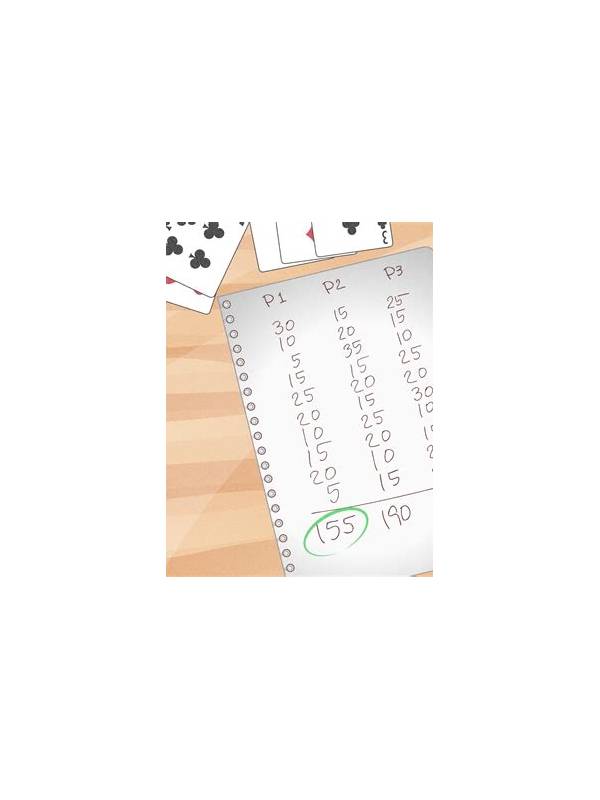
After a practice hand, a long review is rarely necessary. A few consistent notes are more useful than an emotional account of everything that went wrong. Record the opening shape, the first major change of plan, and the decision that felt least certain. These details create a repeatable snapshot of your process.
Do not record only the result. Winning can hide a loose decision, while losing can follow a sound plan that met poor draws. Instead, note whether your first group was clear, whether you held an isolated high card too long, and whether you recognized when a narrow draw had stopped being attractive.
It can help to use three labels: clear, uncertain, and rushed. “Clear” means you understood the reason for the action. “Uncertain” means two choices seemed close. “Rushed” means you acted before checking your full hand, the discard pile, or the table state. These labels describe decisions without turning them into judgments about your character.
Once a week, review the notes for repeated patterns. Perhaps uncertain decisions cluster around jokers, or rushed decisions appear late in sessions. Choose one pattern to address in the next practice block. Avoid trying to fix every issue at once; a narrow experiment gives you cleaner feedback.
The record should remain private and practical. Its purpose is to improve awareness, not to justify every outcome. If writing notes feels like pressure, use a single sentence after the hand. A sustainable review habit will teach more than an elaborate system that you abandon after two days. For a practical template, write: “Opening: ____. Turning point: ____. Least certain action: ____. Next experiment: ____.” Fill it in while the hand is still fresh, but keep the language factual. “I held a high card for four turns while waiting for one rank” is more useful than “I played badly.” The factual version points toward a testable change.
You can also compare your note with the rule explanation after the session. If the uncertainty came from a rule rather than strategy, mark that separately and learn the rule before practicing again. Clear rules reduce mental load and prevent a technical mistake from being misdiagnosed as a strategic weakness. A short record can be enough to make the next session more focused and less dependent on memory. A review note is not a scorecard. It is a small experiment log that helps separate repeatable habits from one unusual hand.
Related Post
Rummy Safety: Pause Before Sharing a Verification Code
A short verification-code safety check can prevent account access problems when a message or caller [...]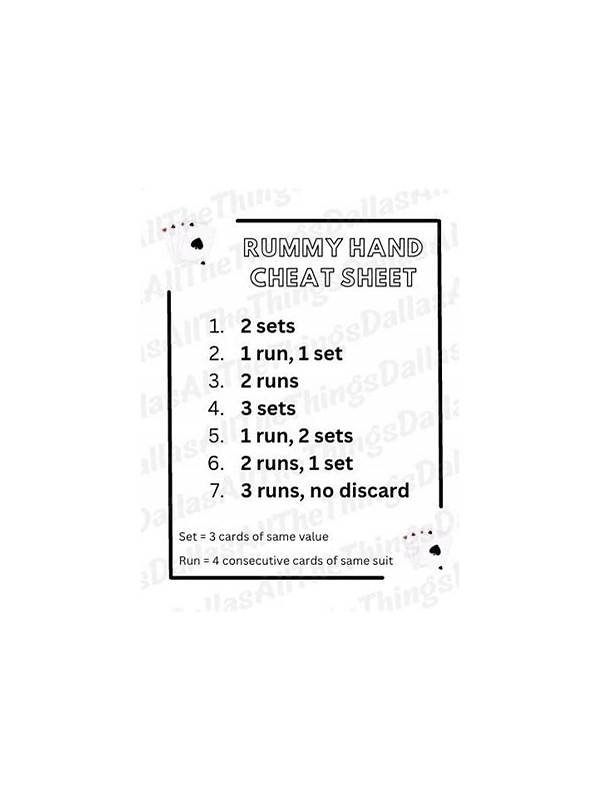
A Simple Rummy Hand Notation System for Review
Learn how to record key turns quickly so practice sessions produce useful lessons. [...]