Rummy How-To: Audit Groups Before a Final Confirmation
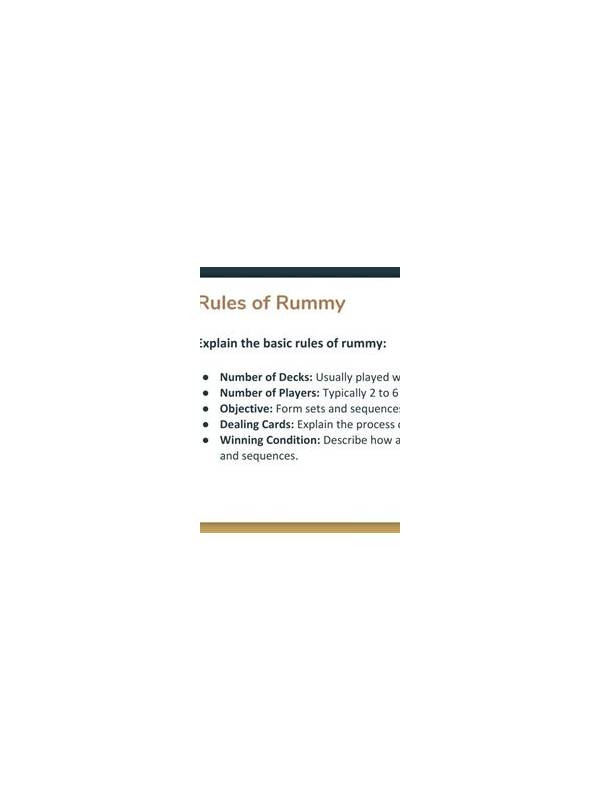
The moment before a declaration is not the time to rely on a quick visual impression. Cards can appear grouped while one rank, suit, or joker assignment makes the arrangement invalid. A verbal checklist slows the final second just enough to catch avoidable errors. Use the exact requirements of the format as your source of truth.
First count the cards and groups. Confirm that every card is assigned once and that no card is silently doing two jobs. Then identify each sequence by suit and consecutive order. Say the cards mentally from low to high rather than trusting their position on the screen. If a sequence uses a joker, name the missing natural card it represents and confirm that the variant permits that use.
Next inspect sets. Check that the ranks match and the suits are appropriate for the rules. Watch for duplicated suits where a set requires distinct suits. If the hand contains an extra card near a completed group, make sure it has been assigned to another valid group rather than left as an unnoticed singleton.
Now verify mandatory conditions. Some forms of Indian rummy require a pure sequence, while other table formats may have different requirements. Confirm the number and type of groups, the treatment of printed or wild jokers, and the declaration button’s meaning. If the application presents a confirmation screen, read it instead of tapping through automatically.
Finally perform a risk check. Is the connection stable? Is the table result visible? Are you acting under a timer or pressure from chat? If the state is unclear, pause according to the platform rules. Never send personal information to another player who claims they can validate the hand.
Keep the checklist concise: count, assign, verify sequences, verify sets, confirm requirements, then submit. Practice it with free or low-pressure hands until the order feels natural. A checklist cannot change the cards, but it can prevent a correct plan from failing because of a rushed final inspection.
If you discover a doubtful group, do not try to solve it by moving cards faster. Return to the rules, identify the exact missing condition, and choose a legal arrangement if one exists. In a practice hand, record the error and its cause. Repeated small checks are more reliable than trusting confidence at the final moment.
When in doubt, leave the declaration unsubmitted until the group is explained clearly. A calm review protects the result and gives you a specific lesson for future hands.
Related Post
Rummy FAQ: When Should You Separate a Nearly Complete Pair?
Discover the questions that help decide whether a promising pair is still worth protecting. [...]
Rummy Declaration Timing: Finish Checking Before You Confirm
A deliberate final check reduces declaration errors when a hand appears ready. [...]