Rummy How-To: Turn a Messy Hand Into Card Categories
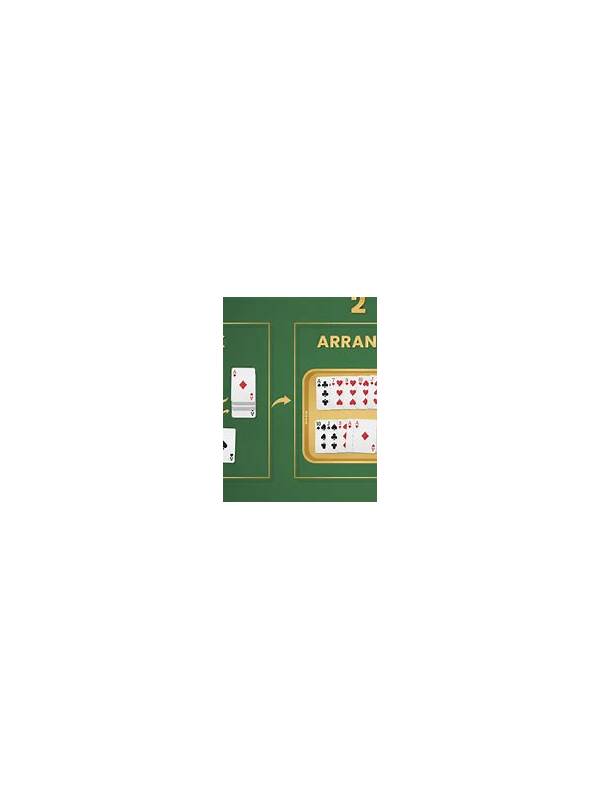
Before the first draw, many players immediately search for a card that completes a visible pair. A better opening is to take a quiet inventory. Ask what is already connected, what is expensive to hold, and which cards can move between more than one possible group. This approach gives you a starting plan without pretending that the opening hand predicts the result.
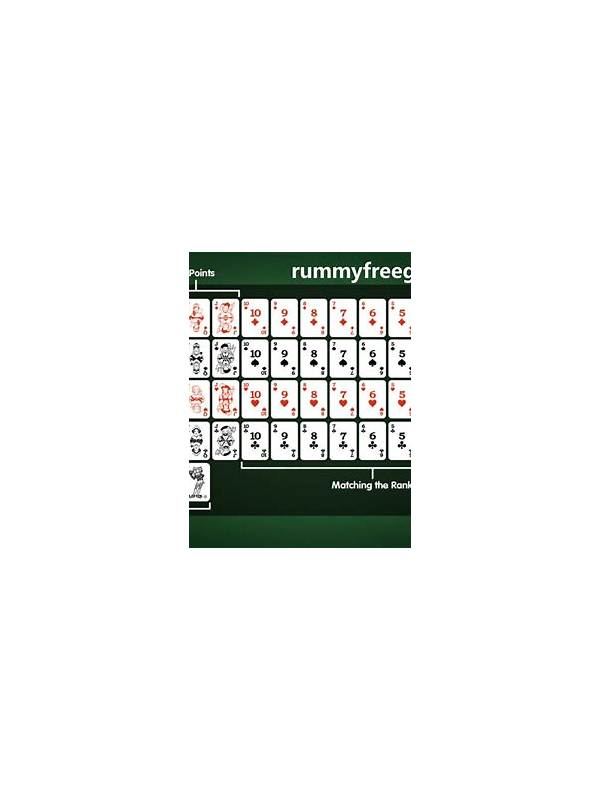
Begin with sequences. In a typical Indian rummy hand, a pure sequence has special importance, so mark any same-suit runs that are already present or close to completion. A pair of neighboring cards may be useful, but it is not automatically worth protecting if it blocks a stronger arrangement. Next, look for duplicate ranks in different suits. They can become sets, yet they can also be useful as connectors when paired with nearby cards.
Then identify expensive uncertainty. High cards that have no neighbor or matching rank can create a large penalty if they remain unused. That does not mean discarding every high card at once. It means giving those cards a deadline: if they do not gain a credible role after a few draws, they become candidates for release. A deadline prevents one attractive but unlikely plan from controlling the whole hand.
Finally, notice flexibility. A card is flexible when it supports several routes, such as a middle card that can connect on either side or a rank that can join more than one set possibility. Keep flexible cards while you investigate, but do not confuse flexibility with progress. A hand full
Related Post

Rummy Practice: Reconstruct a Hand Without Looking Ahead
Reconstructing a rummy hand one turn at a time trains attention to information available at [...]
Rummy Endgame Guide: Protect Validity Before Chasing Speed
Near the end of a rummy hand, preserving a valid structure is usually more useful [...]