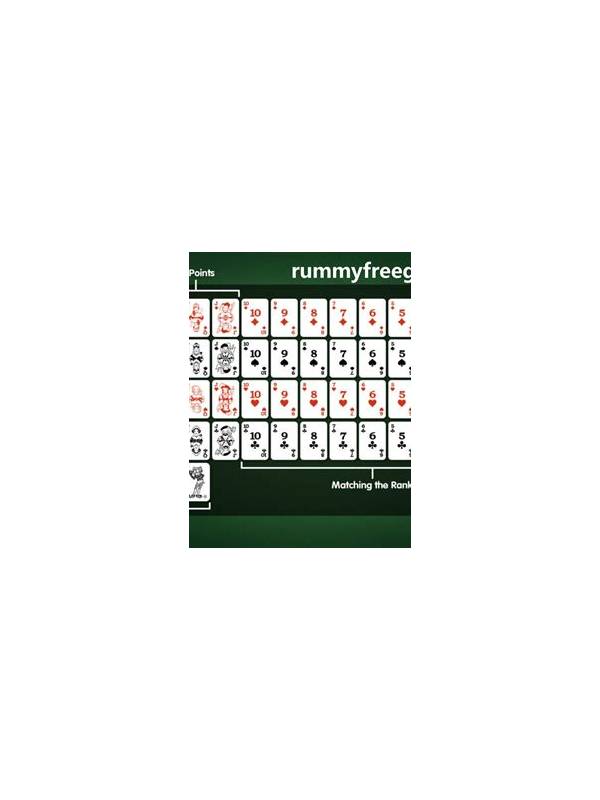
Rummy Comparison: Memorized Rules Versus Visible Rule Notes
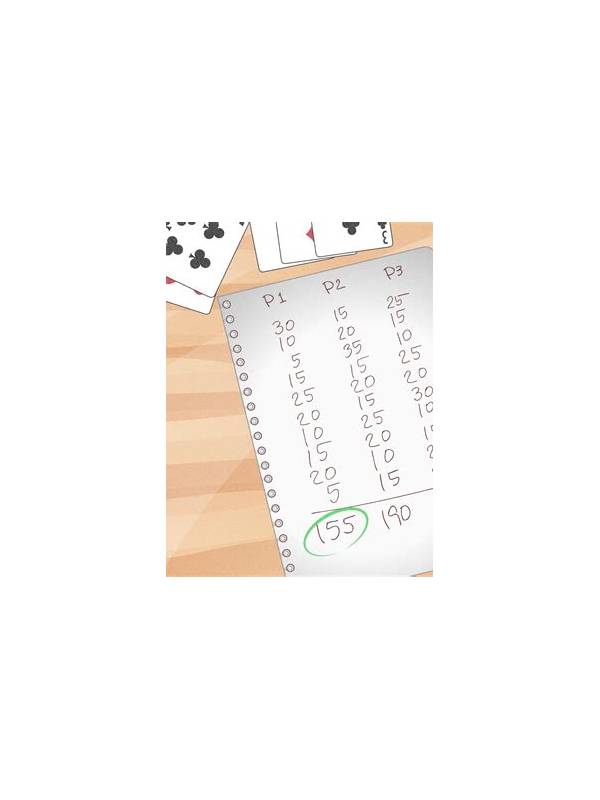
Memorizing rummy rules feels efficient, especially when you play one familiar format repeatedly. A visible rule note, however, can be safer when table requirements, scoring, or declaration conditions differ. The better choice depends on the kind of decision you are making and the cost of being wrong.
Memory is useful for routine actions. Knowing how to draw, discard, and arrange cards without pausing keeps a turn comfortable. Familiar rules also help you notice unusual situations because your normal pattern provides a baseline. The weakness is that memory tends to blend similar formats together. A rule remembered from points rummy may not apply in a different variation.
Visible notes are strongest at boundaries. Before joining a table, check the number of players, required groups, penalty rules, time limits, and whether a declaration can be corrected. A short note with these items is more useful than a long page of general strategy. It gives you a place to verify facts before those facts affect a paid or competitive decision.
There is also a focus trade-off. Constantly reading notes during every turn can create hesitation. Use them at the beginning, after a format change, and whenever a rule question arises. During ordinary play, rely on your understanding and return to the note only for the disputed detail.
A good compromise is a two-layer system. Keep a small visible summary for rules that change between formats. Keep broader explanations in a separate reference for later study. Mark the date or source of the summary so you know when it was last checked. Never treat a note as official if it came from an unverified message or another player’s assumption.
Memory supports speed; visible notes support accuracy at important boundaries. Combining both gives you a practical routine: remember the common actions, verify the uncommon consequences, and pause whenever the table’s rules are not clear.
Keep the note short enough to scan in a few seconds. A useful layout has headings for deal, turn, declaration, scoring, and exceptions. If an item is unknown, mark it as unknown instead of filling the gap with a guess. That small admission is safer than confidently applying a remembered rule from another table. After the session, update the note only from a trustworthy rules source or an agreed record of the game.
Related Post
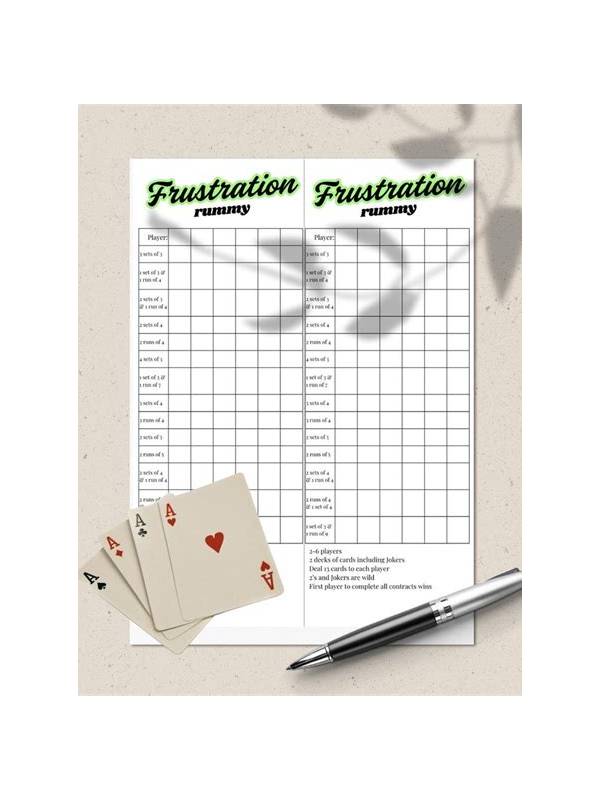
Rummy Tips: Use a Two-Column Draw Log
A lightweight draw log can reveal decision patterns without turning a rummy session into bookkeeping. [...]
Rummy Tips: Use a Neutral Tie-Breaker
When two discards look similar, a neutral tie-breaker prevents personal attachment or recent results from [...]