Rummy Practice: Solve Hands With Delayed Information
Many practice exercises reveal the best card immediately, which can make decision-making feel easier than it is during a live hand. A delayed-information drill adds uncertainty on purpose. It trains you to compare plans using what is known now rather than relying on a card that might appear later.
Create a small practice hand from a standard deck or use a saved hand if your platform provides one. Sort the cards, identify two or three possible groups, and write down the cards each group would need. Then cover or ignore the next few hypothetical draws. Your task is to select a discard using only the current hand and visible information.
When comparing options, record three things: how close each group is, how many useful improvements it has, and what expensive cards remain if the plan fails. This record prevents the exercise from becoming a vague intuition test. You are not trying to predict the exact next card. You are measuring how well each plan handles several possible outcomes.
After choosing a discard, reveal one imagined draw. Recalculate the hand without judging the earlier choice too quickly. A reasonable decision can produce an awkward result, while a weak decision can occasionally be rescued by luck. Separate decision quality from outcome quality in your notes.
Repeat the exercise with the same hand and a different hypothetical draw. Ask whether your original plan was robust or whether it depended on one narrow card. Hands that look attractive but collapse after a small change are useful practice because they reveal hidden fragility.
Add a rule requirement when you are comfortable. For example, decide that one natural sequence must remain protected. Then compare the flexible plan with the plan that preserves the requirement. This makes the drill closer to actual play, where a group can be valuable because it keeps a valid declaration possible.
End by writing one sentence about the key trade-off. It might be “I kept a flexible connector but left one high card exposed,” or “I reduced points but abandoned the only natural sequence.” Clear language helps you spot recurring habits across several drills.
Delayed-information practice is valuable because it rewards preparation rather than prophecy. You learn to count realistic improvements, protect important structure, and accept that uncertainty cannot be removed. Over time, live draws feel less like surprises and more like updates to a plan you already know how to evaluate.
For variety, change the starting position rather than simply repeating easy hands. Include a hand with two high cards, one with a promising set, and one with a requirement already satisfied. The contrast helps you learn which principles remain stable and which depend on format or timing.
Related Post
Rummy Guide: Use a Dependency Map for Unfinished Groups
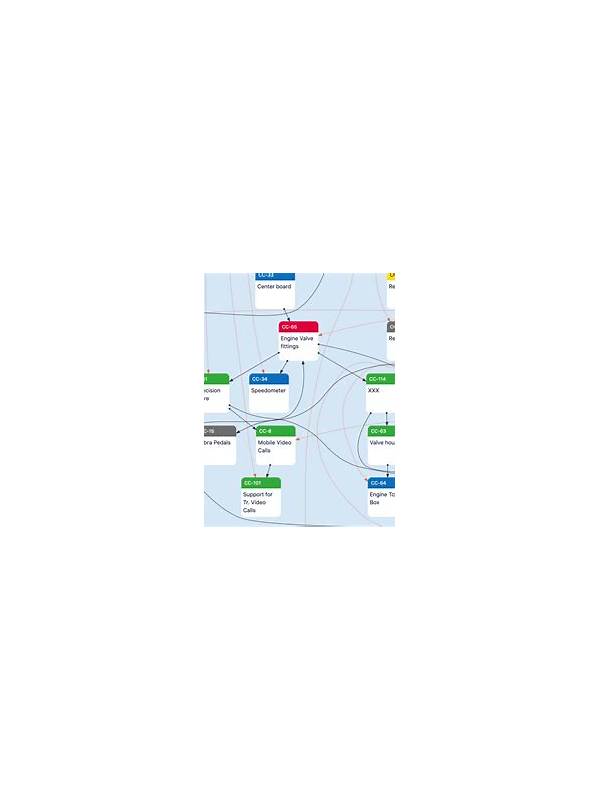
Mapping the cards each group depends on makes it easier to spot fragile plans. [...]
Rummy Safety FAQ: What Should You Do After a Rule Dispute?
A neutral pause and written reference can keep a disagreement about rummy rules from becoming [...]