Rummy Safety Guide: Pause When Decisions Become Automatic
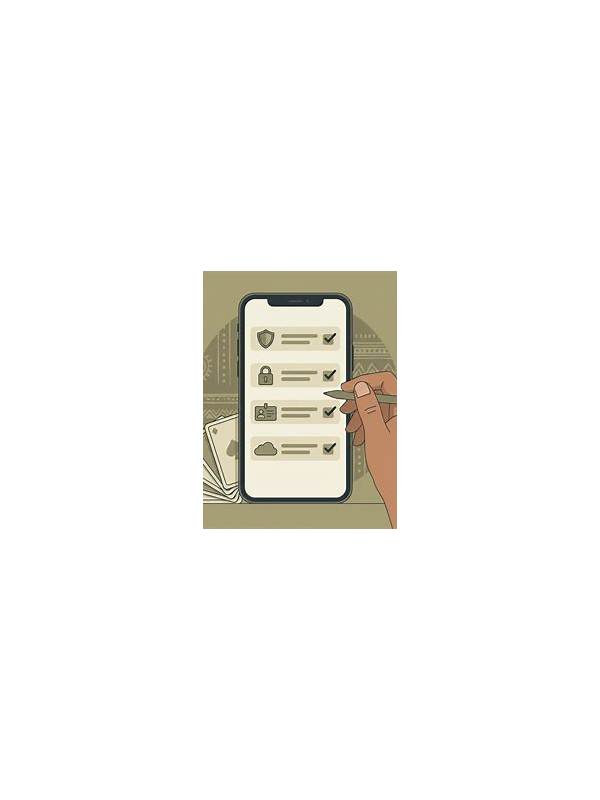
Fast decisions are not always bad in rummy. Familiar positions can be handled quickly, especially when the correct discard is obvious. The safety concern begins when every decision feels automatic, including choices that normally require a legality check or a review of the hand’s direction.
Watch for repeated signals. You may tap through turns without noticing the discard, chase a card simply because it was recently visible, or continue after deciding that the session should end. Irritation, fatigue, and difficulty remembering the last few turns are also practical indicators. None of these proves a problem, but together they suggest that attention is no longer steady.
Use a short pause protocol. Finish only the immediate action if the table requires it, then step away from the screen. Put the device down, breathe slowly, drink water, and look at the time. Avoid trying to recover a result during the pause. The purpose is to restore a clear choice, not to create a new reason to continue.
Before returning, answer three questions: Do I still understand the rules of this table? Can I accept the result of the next hand without changing my limits? Am I playing because I want the activity, or because I am reacting to the previous outcome? If the answers are unclear, ending the session is the safer decision.
Technology can help. A timer, a break reminder, or a fixed number of practice hands creates an external stopping point. Keep alerts quiet enough that they do not disturb concentration, but visible enough to interrupt a drifting session. If the platform offers spending or deposit controls, set them before play rather than while emotions are high.
A pause is not a judgment about skill. It is a routine maintenance step, like checking a connection or reviewing a declaration. Good decisions require attention, and attention changes during a long session. Treat the first signs of automatic play as useful information. A brief break or a clean stop protects both the quality of the game and the boundaries you set for yourself. If a pause does not restore attention, do not negotiate with the warning. End the session and record the stopping point if you want to review the hand later. A result can be analyzed when you are rested; it does not need to be chased immediately. Sustainable play includes knowing when your decision-making conditions have changed. Stopping early preserves the option to return another day with better focus.
Related Post
Rummy Guide: Use a Dependency Map for Unfinished Groups
Mapping the cards each group depends on makes it easier to spot fragile plans. [...]
Rummy Guide: Turn a Confusing Hand Into Three Candidate Plans
Three clearly labeled candidate plans can make a crowded rummy hand easier to evaluate and [...]