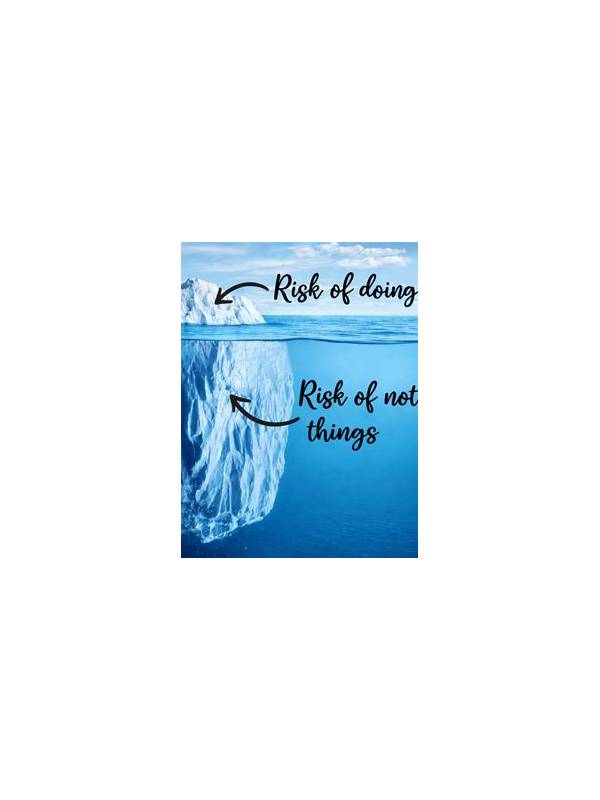
Rummy Tips: Name the Cost of Keeping a Card
Players naturally notice why they want to keep a card. It connects to a pair, protects a possible set, or might complete a sequence. The missing half of the decision is the cost of keeping it. Every held card occupies space, preserves a commitment, and may require another card to be discarded instead. Naming that cost creates a more balanced evaluation.
Start with space cost. What other card could you hold if this one left? If keeping the card means carrying two competing plans, the cost is congestion. Next consider time cost. How many turns can the card remain useful before a deadline or a stronger opportunity appears? A card with broad potential may still be costly if it delays a necessary simplification.
There is also exposure cost. A high card, isolated card, or card tied to a narrow route can increase the loss if the hand ends before it finds a role. Finally, consider information cost. Does keeping the card prevent you from learning which of two routes is better? Sometimes releasing one option clarifies the hand and improves later decisions.
Make this cost visible even when the card feels comfortable. Familiarity can be useful, but it can also hide the fact that the card has not improved for several turns. A quick spoken trade exposes that habit and gives you a reason to change course when the hand’s needs have changed.
Now compare these costs with the card’s practical value. Count credible routes, not imaginative ones. A card supporting two legal, timely groups may justify its space. A card that fits five theoretical arrangements but needs exact partners may not. The question is not whether the card can ever help; it is whether its likely help outweighs what you give up by retaining it.
Use a sentence pattern: “Keeping this card gives me ___, but costs ___.” For example, “Keeping this middle card preserves two sequence routes, but it forces me to hold a high isolated card.” If the trade is close, choose the option that is easier to repair after an unhelpful draw. If the cost is invisible, you are probably evaluating only the attractive side.
This approach does not make every decision conservative. It makes the trade explicit. Sometimes a narrow card is worth keeping because the payoff is timely and the fallback is strong. Sometimes a beautiful connector should be released because it is blocking a clearer route. Naming the cost helps the hand tell you which situation you are actually in.
Related Post
Rummy Guide: Separate Necessary Cards From Attractive Cards
Sorting cards by necessity and attraction helps prevent promising but nonessential combinations from taking over [...]
Rummy Tournament Entry Checklist for a Calm Start
A pre-entry checklist reduces avoidable mistakes before joining a timed rummy tournament. [...]