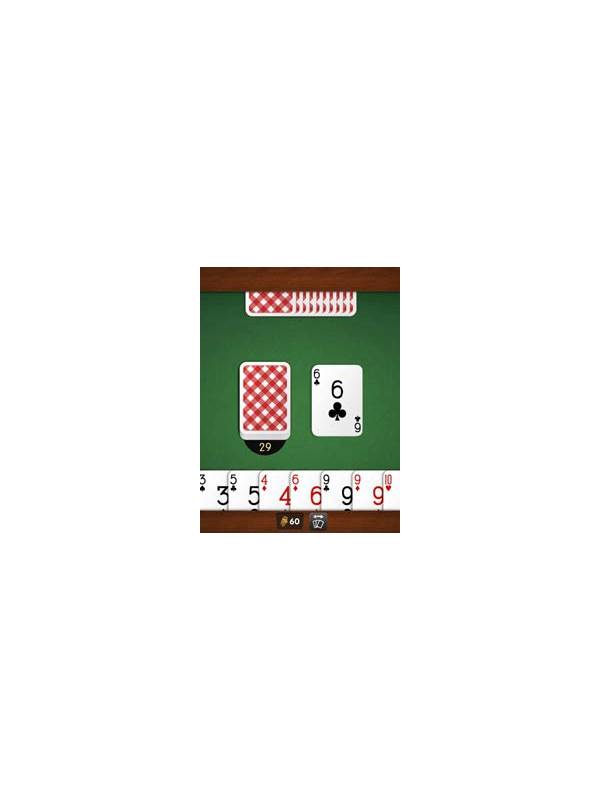
Rummy Tips: Recognize a Plan That Has Become Expensive

A rummy plan becomes expensive when it asks for more commitment than the hand can comfortably support. The cost may be several cards held for one missing rank, repeated waiting, or the loss of a safer group elsewhere. A plan can still succeed, but its price should be visible before you continue.
Count the cards committed to the route and the number of useful continuations left. Then check what those cards prevent. If holding a partial sequence keeps you from discarding a high card or from forming a second group, the opportunity cost is real. Do not count only the possible reward; count the structure being postponed.
Time is another cost. A route that looked reasonable early may become expensive after several unhelpful turns, especially if the table is nearing an endgame. Set a personal deadline such as “one more meaningful improvement” or “reassess after the next draw.” A deadline makes reassessment normal instead of making it feel like giving up.
Information can change the estimate. A visible discard may support a route, while several relevant cards appearing elsewhere may weaken it. Avoid pretending to know exact availability. Use plain language: better supported, less supported, or still unclear. These categories are enough to compare plans without false certainty.
When a plan becomes expensive, look for the cleanest exit. That might mean keeping one connector, releasing the narrowest card, or protecting a completed group while rebuilding around the remaining cards. The goal is not to avoid risk entirely. It is to make sure the risk is deliberate and that you still have a workable recovery path.
Watch for vague language such as “it has to come soon” or “I cannot release it now.” Replace it with a condition: name the helpful card, set a review point, and identify an alternative. A costly plan is not proof that the earlier decision was foolish; it may have been reasonable with the information available then. The useful decision is the next one.
An exit does not require discarding the entire idea immediately. You might keep the most flexible connector while releasing a dependent card, or protect a legal group while testing a different route. The remaining commitment should have a reason and a deadline. That makes a reset an active choice rather than an emotional reaction to disappointment.
After resetting, take one breath and describe the new hand without defending the old route. This separation helps prevent sunk-cost thinking. The new plan may be modest, but it should be based on cards and rules that are actually present.
Related Post
Rummy Comparison: Fast Decisions Versus Careful Decisions
A balanced rummy routine uses quick checks for simple turns and deeper review only when [...]
Rummy Comparison: Two-Player Rhythm Versus Four-Player Rhythm
Player count changes how quickly information arrives and how cautiously a rummy plan should evolve. [...]