Rummy Tips: Track One Missing Card Without Obsessing Over It

Players sometimes try to remember every visible card and end up remembering none of them clearly. A lighter method is to track one missing card that matters most to your current route. The aim is better context, not perfect calculation.
Choose the card only after identifying your main plan. It might be the rank that completes a natural sequence or the card that would release a high-value orphan. Note whether you have seen it in your own hand, the discard pile, or a confirmed opponent pickup. If it is already visible elsewhere, reduce your confidence in that route rather than continuing to wait automatically.
At the next turn, update the note. If the card remains unseen, the route is still possible, but possibility is not a promise. Compare it with a new route created by your latest draw. If another route needs fewer specific cards, shift your attention rather than defending the original plan.
Keep the tracking rule narrow. Do not use it to guess an opponent’s entire hand or to make unsupported claims about the remaining deck. It is simply a reminder about one dependency in your own decision. When the card appears or the route is discarded, replace the note with a new priority or stop tracking.
This method is especially useful for beginners because it teaches conditional thinking. You learn to say, “This plan improves if that card arrives,” instead of, “That card must arrive.” The distinction keeps expectations realistic and makes the next decision visible.
Good memory in rummy is selective. Track one meaningful dependency, update it honestly, and let the rest of the hand remain flexible. A small amount of reliable information is better than a large amount of uncertain recall.
You can make the note visual by placing a small mark beside the route in a paper practice hand. Remove the mark when the route is no longer worth pursuing. This keeps the reminder temporary and prevents old information from influencing a new hand. In a live session, the same discipline can be mental: identify the dependency, use it once or twice, and let it go when the plan changes.
Avoid attaching emotion to the missing card. It is neither lucky nor unlucky; it is simply one condition in a plan. This neutral language makes it easier to abandon the route when the hand changes and keeps one absent card from dominating every later decision.
Related Post
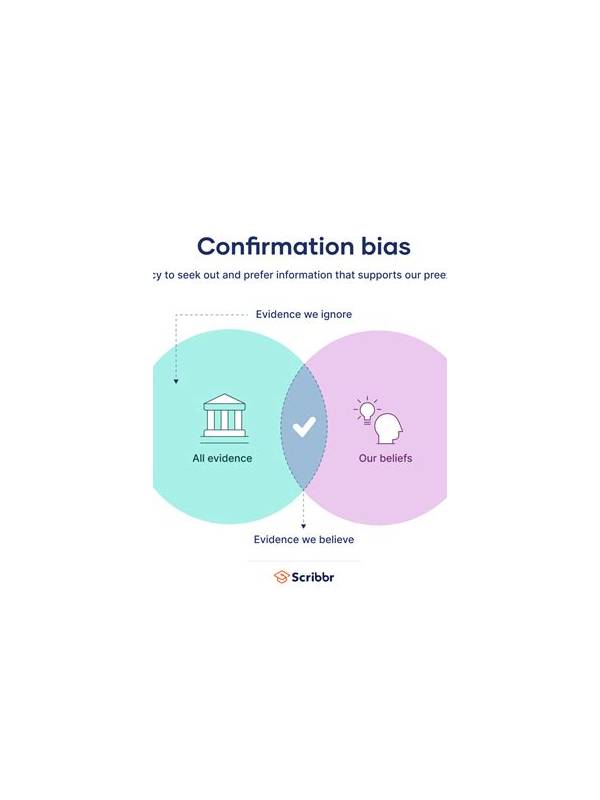
Rummy Tips: Test Your Plan for Confirmation Bias
Use a quick counterargument to avoid seeing every new card as support for an existing [...]
Rummy Strategy: Read Discard Signals Without Guessing
Visible discards can offer useful clues when you treat them as evidence rather than certainty. [...]