Rummy Tips: Weight the Last Discard Against the Whole Pile
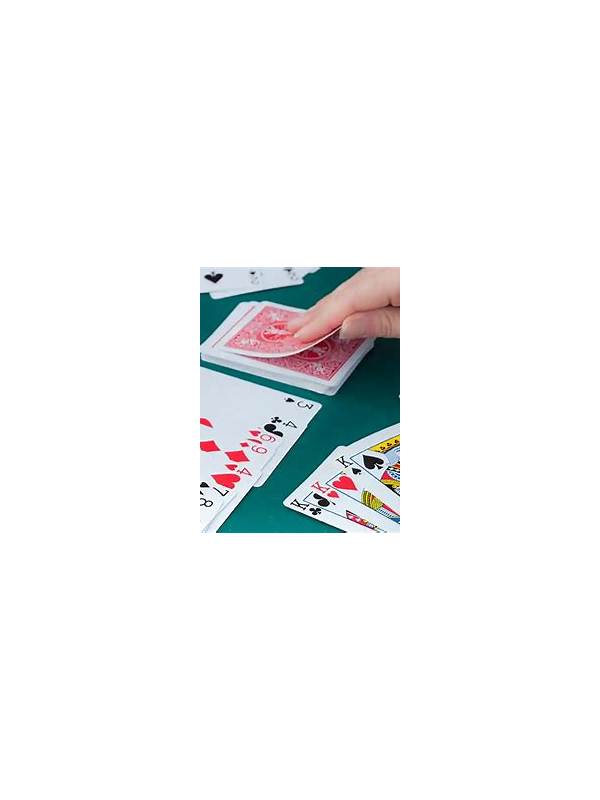
The last discard attracts attention because it is the freshest piece of information on the table. Sometimes it is exactly what you need; sometimes it is merely visible. A stronger habit is to weigh that card against the whole discard pile instead of treating the newest card as an automatic signal.
Begin by asking what the last discard changes in your hand. Does it complete a sequence, create a natural group, or reduce the number of cards in a realistic plan? If the answer is no, the card may still be useful information, but it should not receive a premium simply because it arrived last. A visible card is not automatically a valuable card.
Then scan the recent pile for a pattern. Several cards from one suit may show that a particular area is active, or they may show that useful neighbors have already passed. Repeated ranks can suggest that a group is difficult to build, while a scattered pile may offer no dependable story at all. Look for consistency across a few discards rather than building a conclusion from one event.
Your opponent’s timing can add context, but it cannot prove intent. A player may discard quickly because the card was useless, because they are following a plan, or because they simply had no better option. Use timing as a small adjustment to your judgment, not as a replacement for card structure.
When choosing between the stock and the discard, compare two costs. The discard may improve your hand but reveal what you are collecting. The stock hides information but may give you a card with no immediate role. A good decision considers improvement, exposure, and the number of future choices each option preserves.
The habit is especially useful when a tempting card appears late in a turn. Pause long enough to ask whether it fits your hand and whether the pile supports the idea. If both answers are weak, decline the emotional pull of the newest card. The whole pile is a changing record, and the best reading comes from its shape, not its headline.
One practical note is to inspect the pile in layers. Start with the newest few cards for immediate context, then widen the view if the pattern remains unclear. Avoid spending so long on old discards that you miss your own hand’s needs. Information is useful only when it improves a decision you can actually make now.
Related Post
Rummy Strategy: Value a Card That Blocks Your Own Plan
A card can look useful while quietly preventing two groups from forming, so check conflicts [...]
Rummy FAQ: Should You Keep a Card That Blocks Two Discards?
A blocking card deserves review when it prevents two releases, but its value depends on [...]