Pure Sequences in Yono Rummy: A Simple Indian Rummy Guide
Pure Sequences in Yono Rummy: A Simple Indian Rummy Guide
In Indian rummy, arranging cards correctly is more important than simply collecting high cards. A pure sequence is usually the foundation of a valid declaration, and many Yono Rummy guides describe it as an essential part of a 13-card hand.
What is a pure sequence?
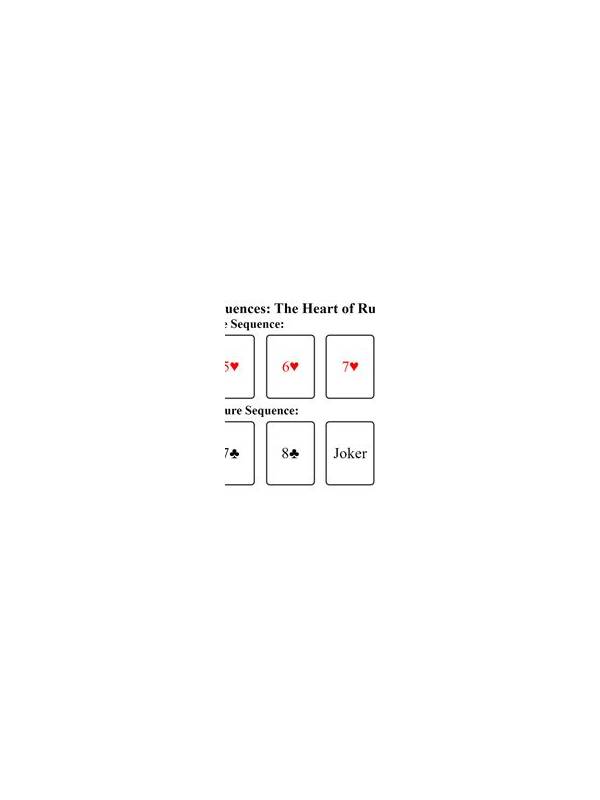
A pure sequence contains three or more consecutive cards from the same suit without a joker replacing any card. A run such as 4, 5, and 6 of the same suit is a typical example. A joker-substituted run is generally treated differently and should not be assumed to be pure.
Sequences and sets
A sequence uses consecutive cards of one suit. A set uses cards of the same rank in different suits. A normal declaration commonly needs at least two sequences, including one pure sequence, while the remaining cards may form additional sequences or sets.
A useful checking routine
Before declaring, separate the hand into groups and ask: Is there a pure sequence? Is there another valid sequence? Are the remaining cards all part of an allowed sequence or set? Check the table’s joker and ace rules as well. A familiar arrangement may still be invalid under a particular variation.
Improve without chasing losses
Practice identifying combinations, observe discards, and discard isolated high-point cards when they do not support a realistic group. Strategy can improve decisions, but it cannot guarantee a win. Keep sessions within a preset time and spending limit.
Source note: This is educational content based on general Indian-rummy rules and platform descriptions checked on September 4, 2026. Always follow the rules shown for the selected table.
Related Post
Rummy Comparison: Early Information Versus Late Information
Early and late observations serve different purposes in rummy, so each should influence decisions in [...]
Rummy Safety: Handling an Unexpected Session Disconnection
Follow a careful recovery sequence when a rummy table disconnects unexpectedly. [...]