Rummy Comparison: Planned Risk Versus Accidental Risk Rummy Comparison: Planned Risk Versus Accidental Risk
Planned risk has a defined reason and exit, while accidental risk grows when a player has not named the cost. [...]
Planned risk has a defined reason and exit, while accidental risk grows when a player has not named the cost. [...]

A compact legality check can reduce avoidable rummy errors before you commit to a discard or declaration. [...]
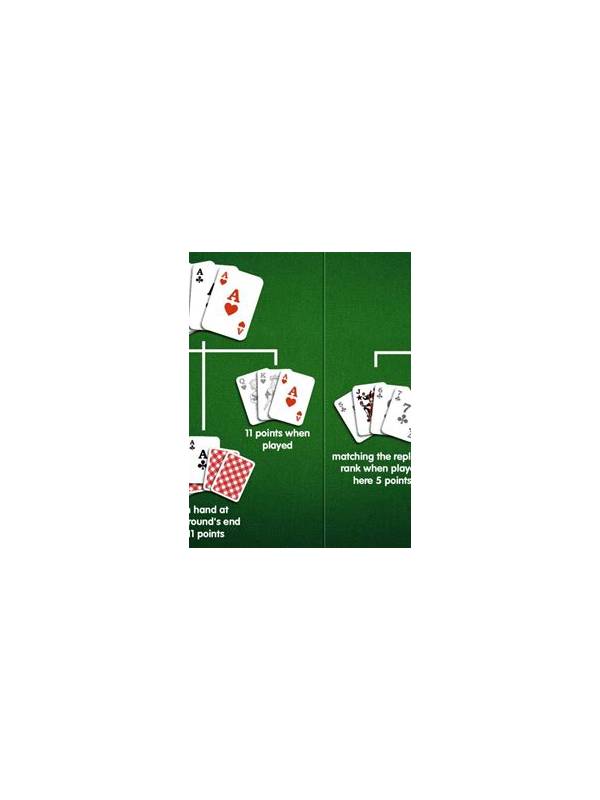
A stalled hand is useful feedback when you examine which assumptions prevented structure from improving. [...]
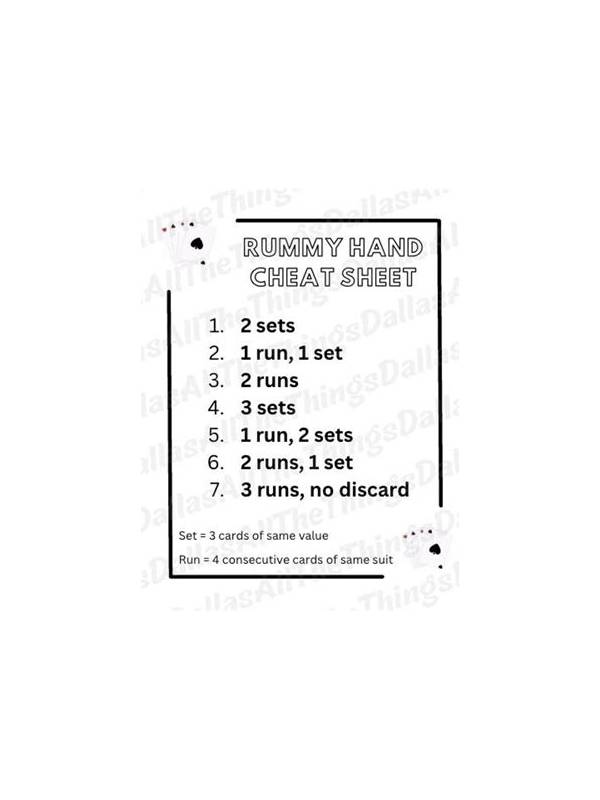
A two-pass review separates legal structure from tactical choice so a rummy hand is easier to evaluate. [...]

Separating a game-session limit from ordinary daily money helps keep play contained and easier to monitor. [...]
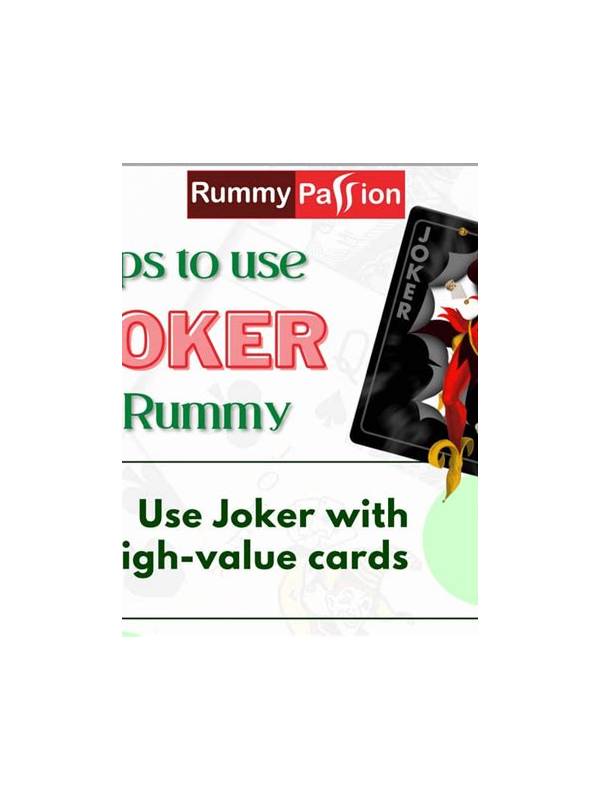
A joker’s best timing depends on the groups it can complete, the alternatives it preserves, and the rules of the table. [...]
A compact rule reference can prevent avoidable mistakes when different rummy tables use different conditions. [...]

Reorganizing helps when it reveals new information, but repeated reshuffling can delay a necessary decision. [...]

Counting the number of missing links gives a rummy hand a practical measure of how much work remains. [...]

Managing notifications and interruptions can protect concentration, privacy, and deliberate play during an online rummy session. [...]