Rummy Guide: Use a Two-Column Decision Journal Rummy Guide: Use a Two-Column Decision Journal
A simple two-column journal separates what you saw from what you decided and makes hand reviews more useful. [...]
A simple two-column journal separates what you saw from what you decided and makes hand reviews more useful. [...]

A card with little value to your hand may still have a defensive role, but blocking should never replace structural analysis. [...]
A reconnect deserves a deliberate turn-order check before you resume drawing or discarding. [...]
A short closing checklist helps confirm results, protect account details, and preserve useful notes after a rummy session. [...]
Keeping a small number of supported alternatives helps flexibility without turning every card into an unfinished plan. [...]

A plan becomes expensive when it consumes too many turns, cards, or safe alternatives, and recognizing that moment prevents stubborn play. [...]
Completing one small group is not always better than making the entire hand easier to finish. [...]
A missed draw is easier to handle when it becomes a focused question about the hand rather than a reason to panic. [...]
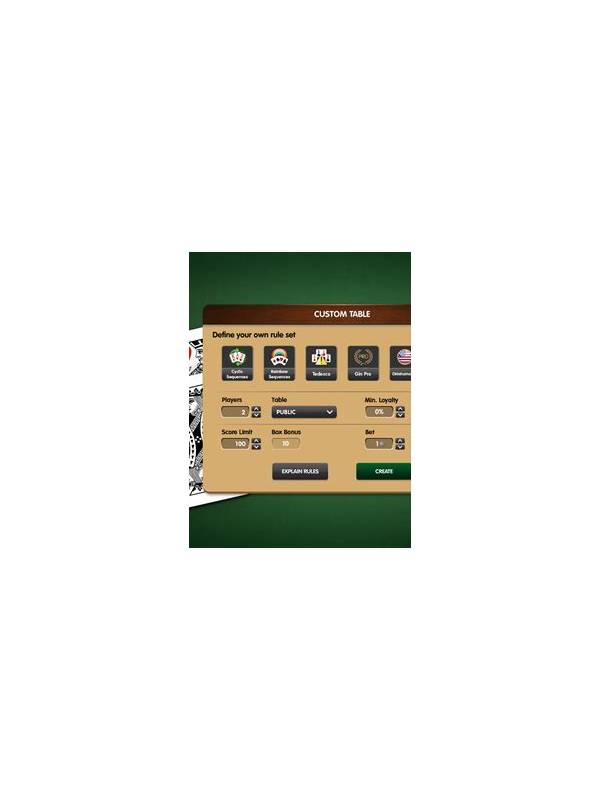
Familiar rummy advice can fail when the table uses different meld, wild-card, or scoring rules. [...]
A route map shows how a possible set could develop while keeping alternatives visible. [...]