Rummy FAQ: When Is a Pair a Liability? Rummy FAQ: When Is a Pair a Liability?
A rummy pair becomes a liability when it blocks better routes or carries cost without a realistic way to develop. [...]
A rummy pair becomes a liability when it blocks better routes or carries cost without a realistic way to develop. [...]
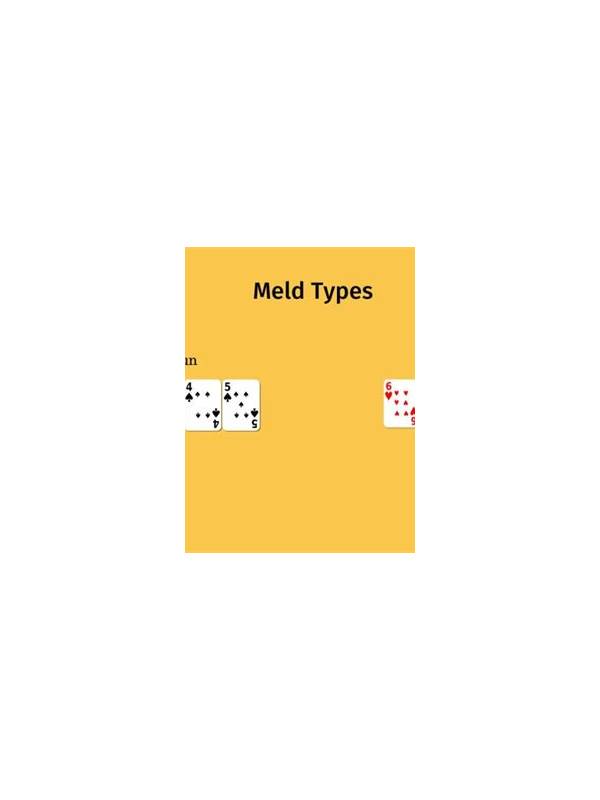
Comparing what each possible meld leaves behind makes rummy planning more realistic than counting completed cards alone. [...]
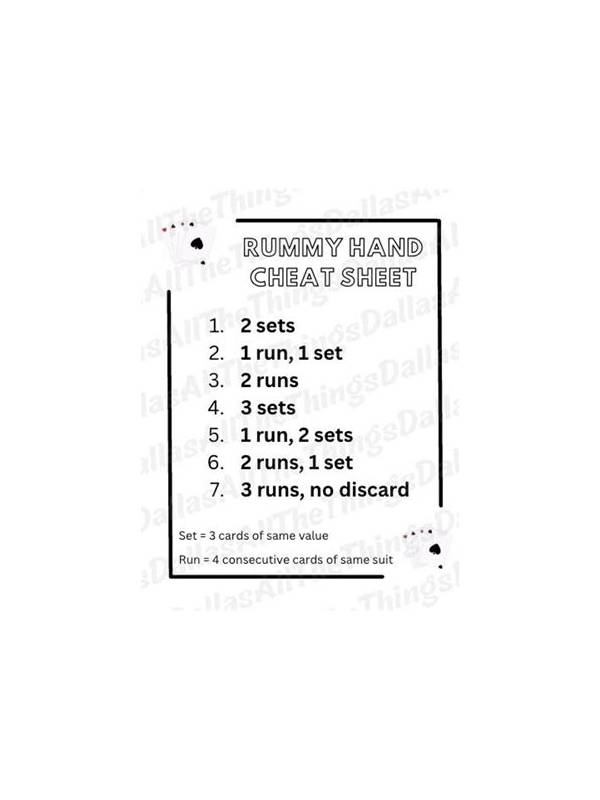
A brief pre-draw review keeps a rummy plan connected to the current hand instead of the previous turn. [...]
A neutral discard rule gives rummy players a repeatable way to compare cards without reacting to frustration. [...]
A few verification habits can help players spot account recovery scams before sharing sensitive information. [...]
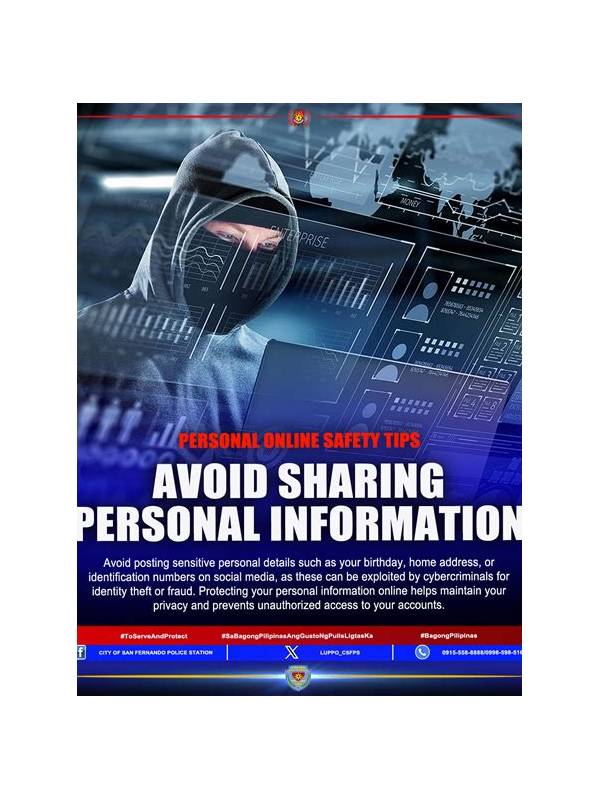
A few screen-sharing precautions can protect account and payment information during online rummy sessions. [...]
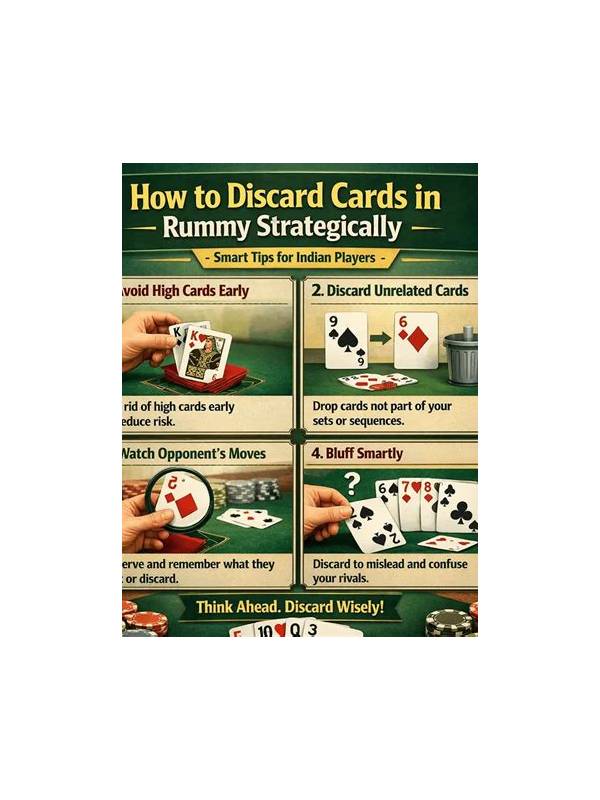
An information-free discard is a card released after checking that it neither supports your plan nor reveals more than necessary. [...]
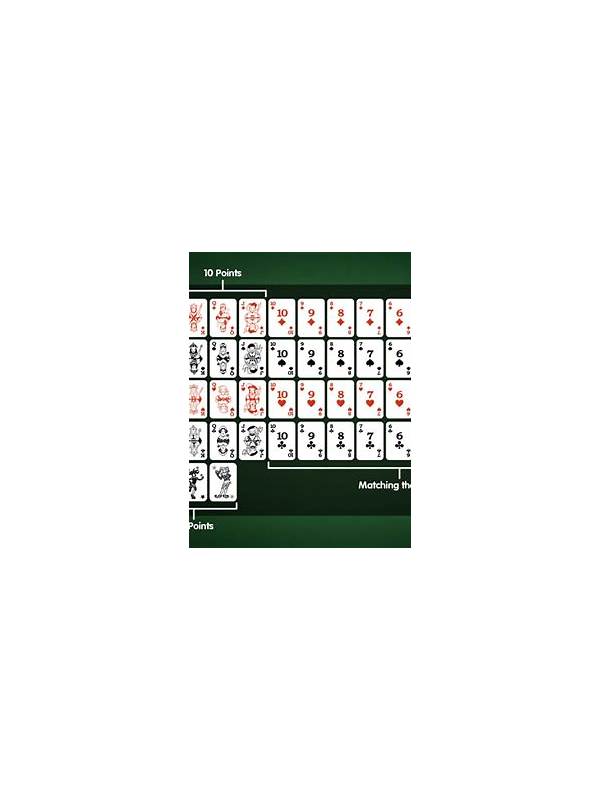
A neutral replay turns a finished rummy hand into useful practice without blaming every result on one mistake. [...]
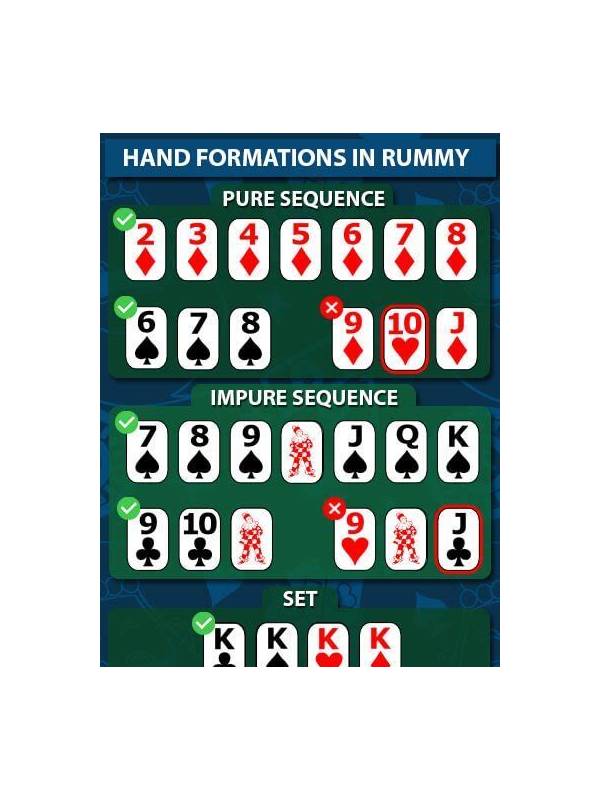
Comparing a longer sequence with a more reliable shorter route helps clarify which plan deserves your next card. [...]
A simple confidence label can keep promising combinations from turning into automatic commitments. [...]