
Rummy FAQ: Should You Keep a High Card for One More Turn? Rummy FAQ: Should You Keep a High Card for One More Turn?
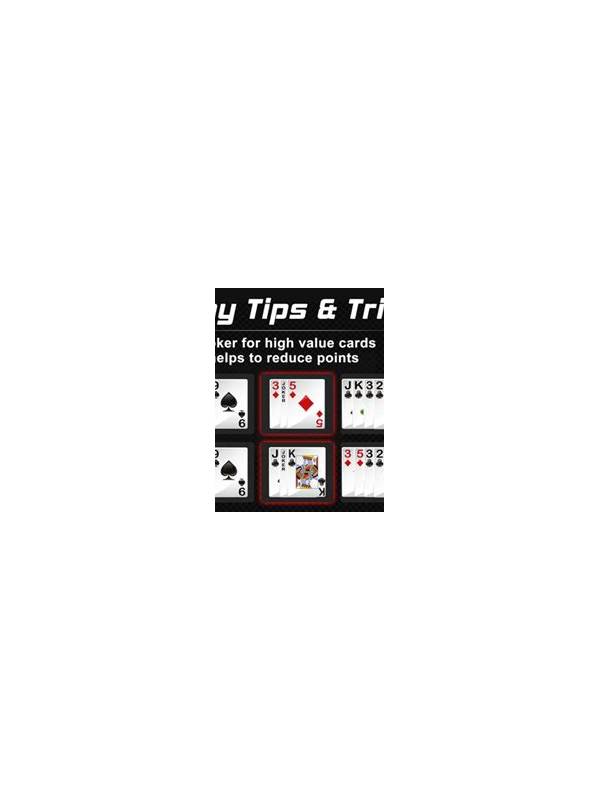
Keeping a high card can be reasonable briefly, but only when its possible benefit is measured against its cost. [...]
Keeping a high card can be reasonable briefly, but only when its possible benefit is measured against its cost. [...]
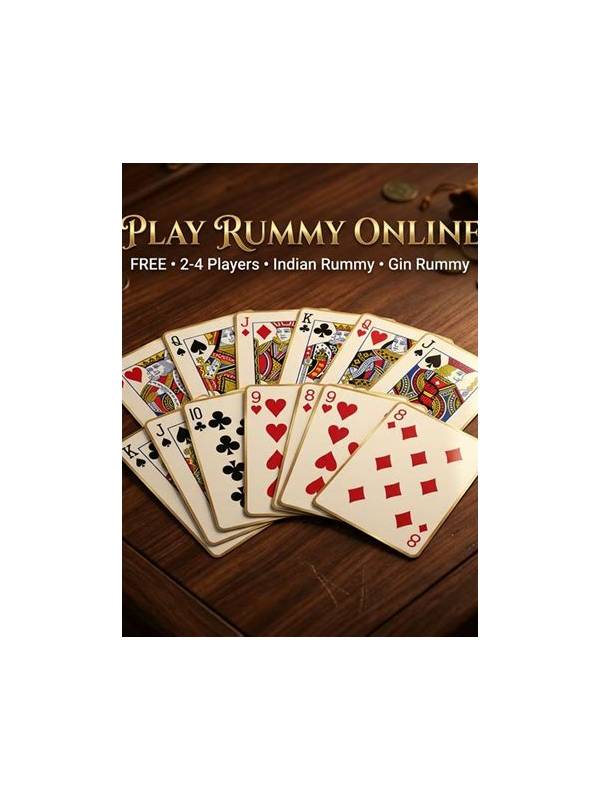
A brief preplay routine checks rules, connection, and personal readiness before the first card is drawn. [...]
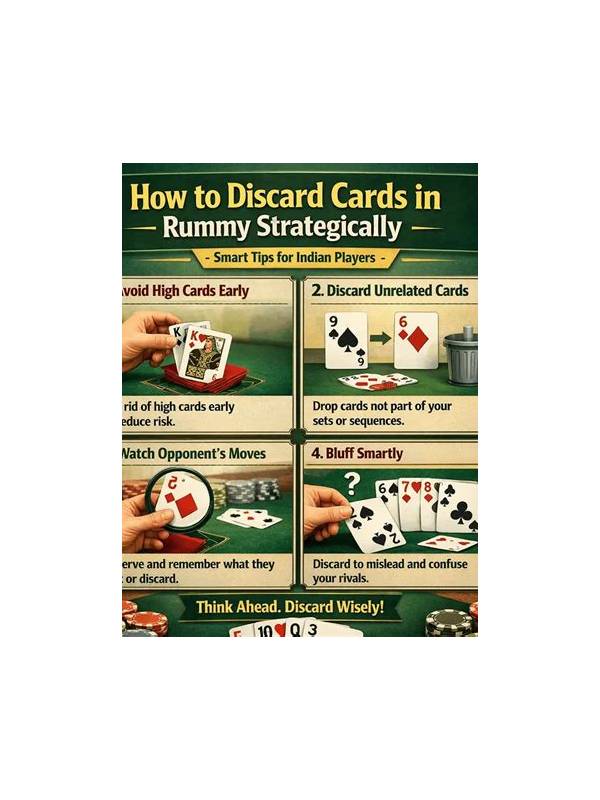
A disciplined discard should improve your hand while avoiding unnecessary signals and gifts to other players. [...]

A completed set is valuable, but keeping it can be costly when its cards are needed for a required or more flexible structure. [...]
Comparing penalty, connection range, and repair cost helps decide which loose card should leave first. [...]
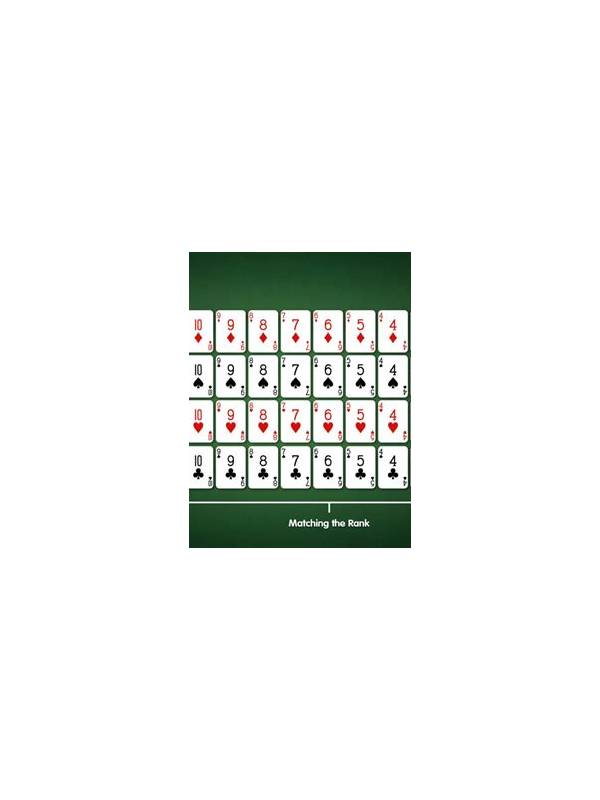
A small decision clock helps you leave a narrow combination before it consumes the entire hand. [...]
A short post-round review can improve future decisions by separating process errors from ordinary card variance. [...]
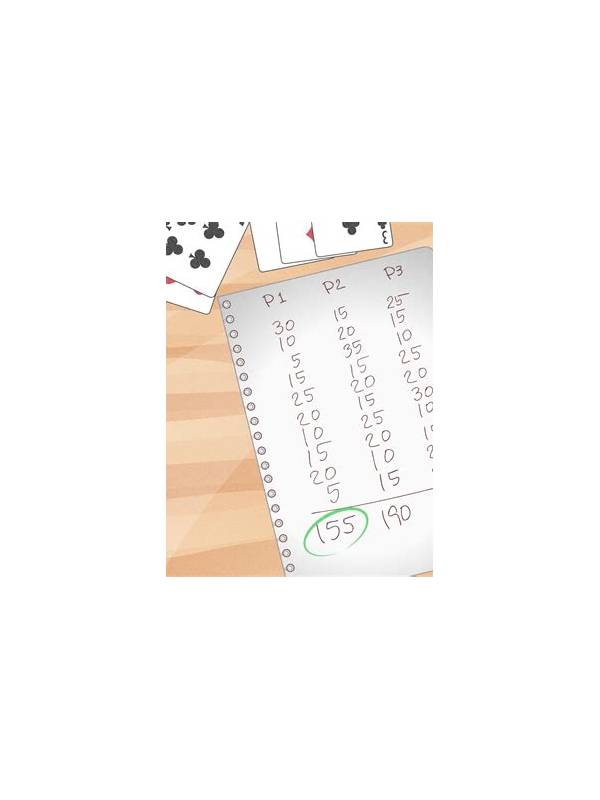
A broken sequence deserves a clear test for flexibility, cost, and realistic repair cards before it stays in your hand. [...]
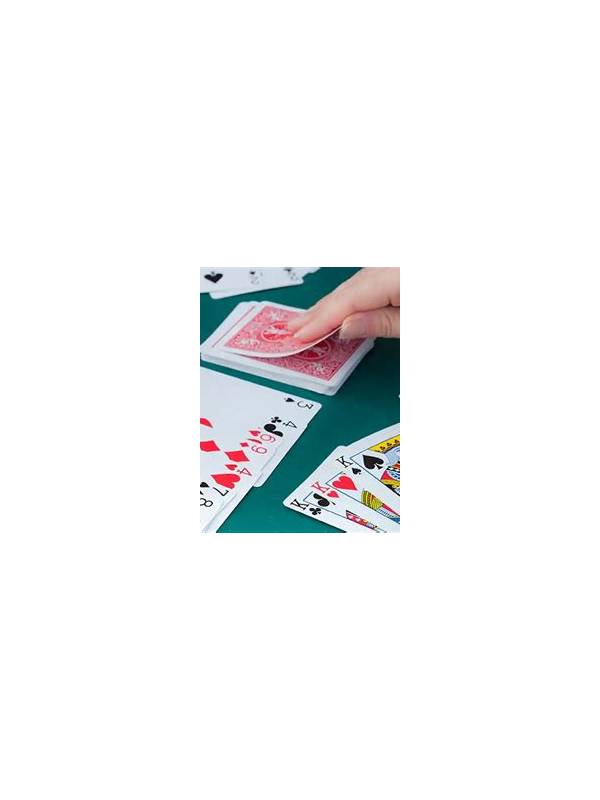
Choosing between a visible discard and an unseen card involves information, flexibility, and the risk of revealing your plan. [...]
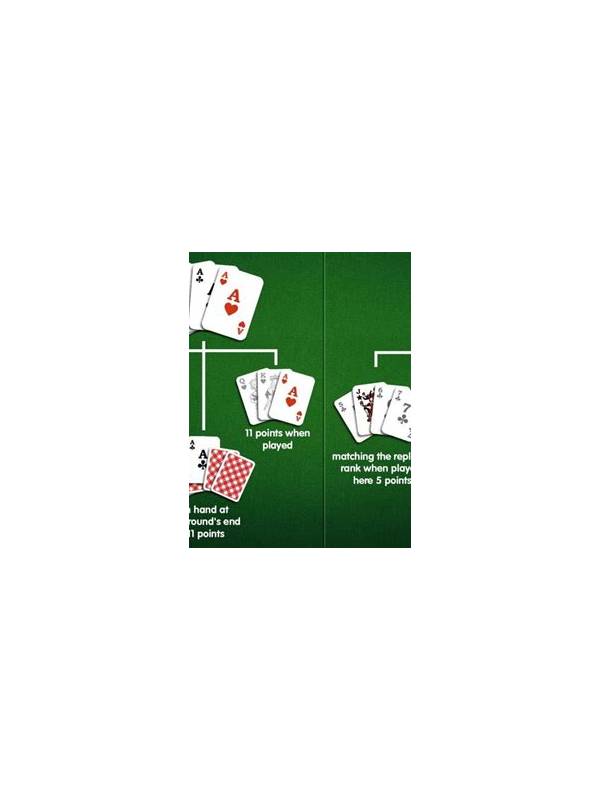
Counting realistic neighboring cards helps compare flexible holdings with attractive but narrow combinations. [...]