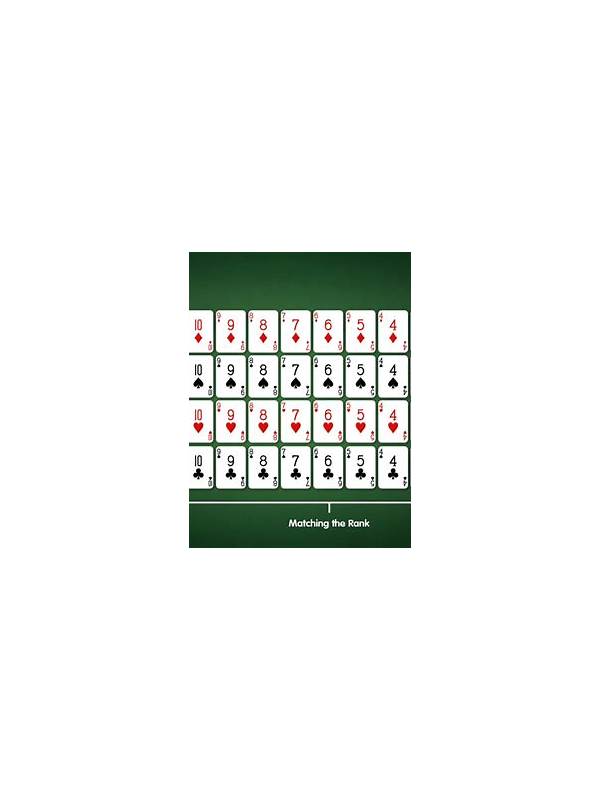
Rummy Comparison: Low Cards Versus High Cards in a Loose Hand
When a hand is loose, players often use a simple rule: discard the highest card. That rule can be helpful, but it is incomplete. A low card can be just as poor when isolated, while a high card may be worth keeping if it has several natural connections. Compare cards by penalty and usefulness together.
High cards carry a larger risk if they remain ungrouped at the end, so they deserve early attention. Ask whether a high card has a neighbor already in your hand or whether it can support a required sequence. If it is isolated and offers no flexible route, it is a strong discard candidate. Do not keep it merely because it might become valuable later.
Low cards usually cost less, but they are not automatically safe. An isolated low card may have only one direction of sequence growth, especially near an edge. If it blocks a better middle-card plan or survives only because its penalty is small, it can quietly occupy space that your hand needs for a stronger route.
Middle cards often deserve closer comparison. They may connect on either side and can support multiple sequences, but their usefulness depends on suit and on the groups already forming. A middle card that has no realistic partner is still loose. Count actual routes, not the abstract number of ranks around it.
Make the comparison after considering your required groups. If discarding a low card breaks your only pure sequence, its low penalty does not make the move safe. If discarding a high card completes a required structure, keeping it is sensible. The format’s rules should shape the ranking of choices.
A good loose-card review takes three steps: mark isolated high cards, count realistic neighbors for each remaining card, and select the card that combines low utility with high risk. This approach is more reliable than a fixed low-versus-high rule. It respects both the cost of failure and the possibilities that can move the hand forward.
The comparison can change during the same hand. A low card may become the only link to a useful sequence, while a high card may lose its neighbor after a new discard. Recalculate when the structure changes instead of following the opening ranking mechanically. Flexible judgment is more valuable than memorizing one fixed preference.
The same principle applies when a new group is completed. Reassess the remaining loose cards from scratch because the best discard before completion may no longer be the best one afterward.
Related Post
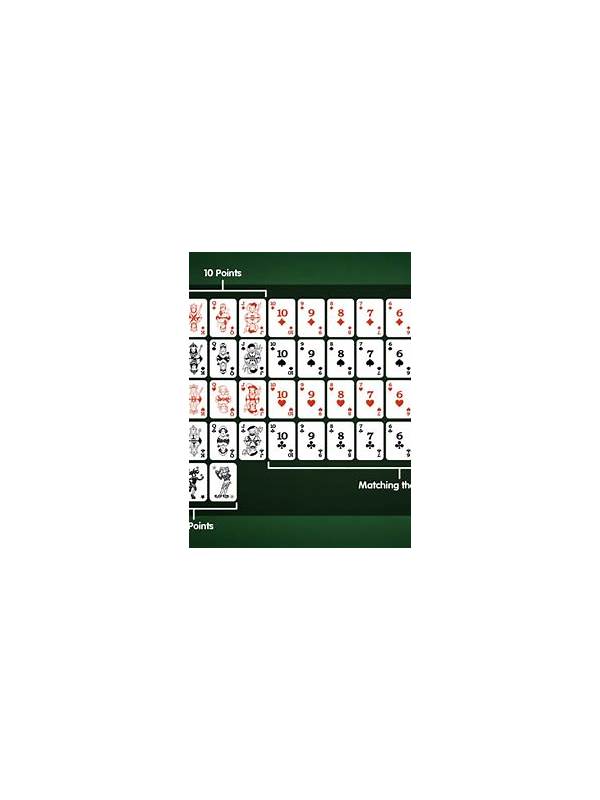
Rummy Card Value: Balance Points and Flexibility
A useful card-value review considers both penalty points and the chance of forming a valid [...]
Rummy Comparison: Two-Player Rhythm Versus Four-Player Rhythm
Player count changes how quickly information arrives and how cautiously a rummy plan should evolve. [...]