Rummy Safety: Keep Spending Choices Separate From Strategy
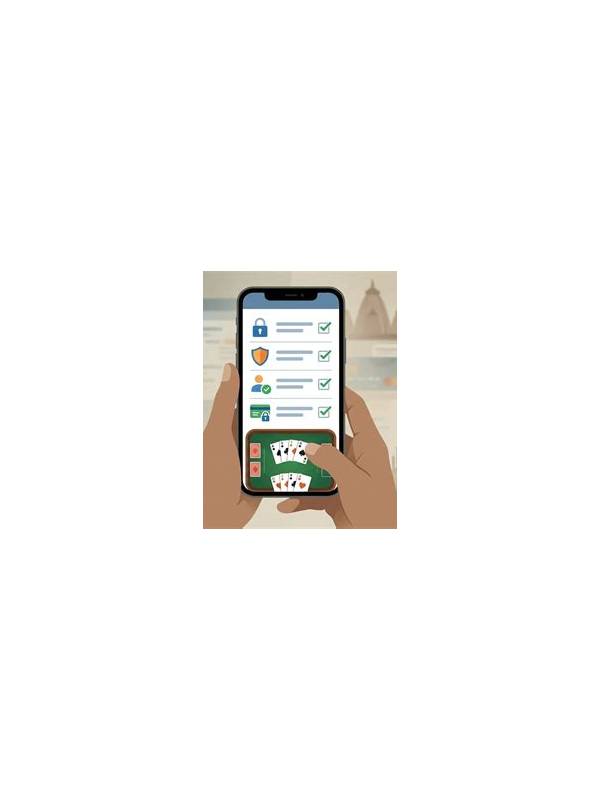
A rummy session can involve two different kinds of decisions: how to arrange cards and whether to spend money. They may happen in the same app, but they should not be treated as one continuous decision. Keeping them separate protects judgment when a hand becomes frustrating or exciting.
Set a spending boundary before you begin. The boundary might be a fixed amount, a time-based limit, or a decision to practice only without deposits. Choose it while calm and record it somewhere private. A limit is useful only if it is clear enough to follow without negotiating with yourself after a loss.
During play, do not use a card result as evidence that the boundary should change. Losing a hand does not mean more money will repair the experience, and winning does not prove that a larger amount is safe. A strategy adjustment belongs to hand review. A spending adjustment belongs to a separate, deliberate process with time between the two.
Watch for pressure signals. Urgency, irritation, thoughts about recovering immediately, and repeated checking of balances are reasons to pause. If the app displays a promotion or a message that creates pressure, close the decision and review it later through the official account area. Avoid links or requests that ask for passwords, one-time codes, or payment information in chat.
Use practical barriers when available: deposit limits, reminders, cooling-off features, or disabling payment methods during a break. Follow the rules and protections that apply where you live. If play stops feeling voluntary or begins to affect essentials, step away and seek support from a trusted person or a local responsible-gambling service.
Strategy is about evidence inside a hand. Spending is about a preselected boundary outside it. By separating these systems, you make it harder for a single outcome to control both. The safest routine is simple: decide the financial limit first, play only within it, and review game quality later when the emotional pressure has passed. Strategy is about evidence inside a hand. Spending is about a preselected boundary outside it. By separating these systems, you make it harder for a single outcome to control both. The safest routine is simple: decide the financial limit first, play only within it, and review game quality later when the emotional pressure has passed.
If you share a household or device, make the boundary visible only where appropriate and keep account details private. The routine should not require another person to know your credentials. A written limit, a pause, and an independent review path are enough to create distance between a game result and a financial action.
Related Post
Rummy FAQ: What Changes When the Draw Pile Gets Low?
Understand how a shrinking draw pile should influence planning without turning guesses into certainty. [...]
Rummy Tips: Label Cards by Job, Not Just by Suit
Organize a rummy hand around each card’s current role to make useful changes easier to [...]